Category: Design

  • Creating a Meditation Space at Home: Design Elements That Invite Inner Peace

    Creating a Meditation Space at Home: Design Elements That Invite Inner Peace

    Welcome to your complete guide for designing a personal sanctuary that supports your journey toward tranquility. Many people believe they need a massive house or special room to create such an area. This simply isn’t true.

    Thoughtful intention and smart design can transform any spot into a peaceful retreat. You don’t need a big budget or dedicated area. Even the smallest corner can become your special place for quiet reflection.

    This article walks you through choosing the perfect location and adding natural touches that promote calm. You’ll discover practical room ideas and design principles that really work. We’ll also tackle common challenges you might encounter.

    Our guide draws from real experiences and expert insights to help elevate your personal practice. You’ll find actionable tips suitable for various living situations and budgets. Every suggestion aims to maintain a serene atmosphere that feels uniquely yours.

    Key Takeaways

    • Any area in your residence can become a tranquil sanctuary with thoughtful planning
    • Natural elements significantly enhance the calming atmosphere of your designated area
    • Practical design principles work for various budgets and living arrangements
    • Even unconventional spots can be transformed into effective quiet zones
    • Expert insights help overcome common challenges in personal sanctuary creation
    • Simple adjustments can dramatically improve your daily quiet practice
    • Personal preference plays a crucial role in designing your ideal retreat

    Introduction: Embracing Your Journey to Inner Peace

    Modern life’s constant demands make developing personal tranquility more important than ever before. In our hectic world, finding calm within your residence has become essential for mental well-being.

    Headspace co-founder Andy Puddicombe offers transformative insight: “You have to get comfortable with the mind as it is. Whether it’s a busy mind or a quiet mind. Thoughts you like, thoughts you don’t like.” This approach reshapes how we view meditation.

    Many beginners believe meditation requires emptying the mind completely. Instead, it’s about being present with uncomfortable thoughts. Embracing patience and stillness forms the true core of mindfulness.

    Recent years have increased anxiety for many people. A dedicated meditation practice provides valuable tools for stress management. Regular commitment yields transformative results for mood improvement.

    True happiness isn’t found in future achievements or external validation. It emerges through learning present-moment awareness. Creating a special area for your practice represents a physical commitment to this inner peace journey.

    Why Create a Dedicated Meditation Space?

    Your brain responds remarkably well to environmental cues when developing a regular practice. When you consistently use the same spot, it becomes a powerful mental anchor. This association helps you transition more easily into a calm, focused state.

    The science behind this is fascinating. Your mind creates strong connections between location and activity. Returning to your special area signals your brain that it’s time for mindfulness. This mental shortcut makes starting your routine much simpler.

    A designated zone also serves as a visual reminder to maintain consistency. Seeing your prepared area encourages you to stick with your practice. This helps build a sustainable habit even during busy periods.

    Think about other dedicated areas in your residence. Your work desk supports productivity, while your exercise mat signals fitness time. Similarly, a personal retreat minimizes distractions for deeper sessions. It becomes your sanctuary for peace and reflection.

    This consistency creates a sense of ritual that honors your commitment. Your special corner becomes devoted entirely to mental wellness. This physical dedication supports your inner journey beautifully.

    Choosing the Ideal Location for Your Meditation Space

    Finding the right spot for your practice begins with practical assessment rather than perfection. You don’t need an ideal room—just the best available area that supports regular commitment.

    Focus on three key criteria: quietness, natural illumination, and adequate room. Choose the quietest corner in your residence, away from busy zones like kitchens. Avoid external noise sources near street-facing windows.

    Natural lighting transforms your experience beautifully. East-facing spaces work wonderfully for morning sessions. North-facing areas provide consistent, gentle illumination throughout the day.

    You need less room than you might imagine. A minimum area of 4×4 feet allows comfortable sitting with basic accessories. This compact footprint makes almost any corner viable.

    Get creative with available options. Transform a bedroom nook or use room dividers for privacy. Window-adjacent spots maximize natural benefits. Even unused closet space can become your special place.

    Here’s a simple test: if you can roll out a yoga mat undisturbed for 10-30 minutes, the location works. For shared living situations, folding screens create temporary seclusion. Establishing quiet hours with household members ensures peaceful practice time.

    Essential Elements for a Functional Meditation Environment

    Building a dedicated area for quiet reflection involves more than just finding the right location. Thoughtful selection of key components transforms any corner into an effective retreat.

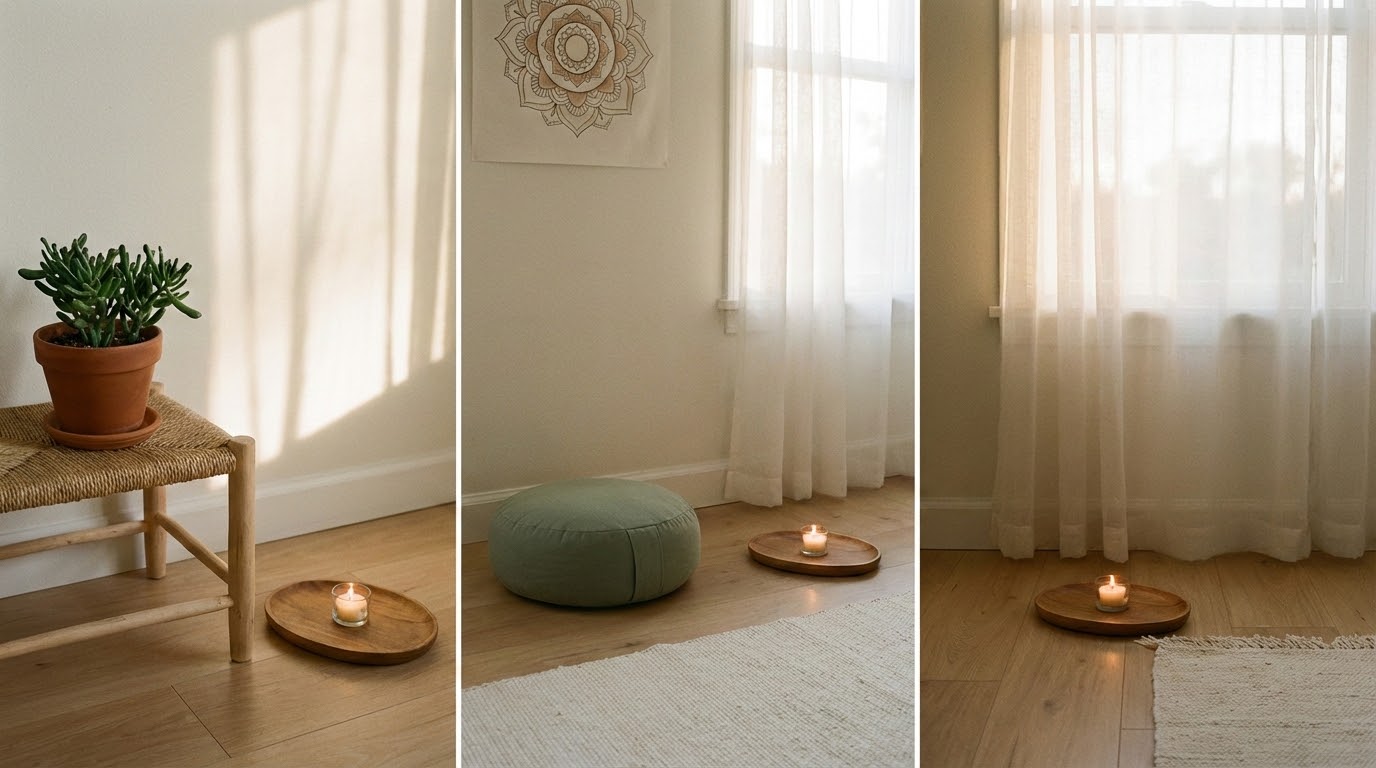
    Comfortable seating forms the foundation of your practice area. A meditation cushion provides optimal spine alignment for traditional sitting. For those with knee concerns, a meditation bench reduces strain while maintaining proper posture.

    Lighting significantly impacts your environment’s atmosphere. Position your area near windows to harness natural illumination. Use sheer curtains to soften harsh sunlight and create gentle diffusion.

    Artificial lighting options include warm-toned bulbs between 2,700-3,000K. Dimmer switches allow adjustable brightness levels. Salt lamps or flameless candles add soothing ambient glow.

    Sound management involves both absorption and enhancement. Soft textiles like rugs and wall hangings reduce echo. Small water features or Bluetooth speakers can enrich your auditory experience.

    Aromatherapy introduces calming scents through essential oils. Lavender promotes relaxation while frankincense offers grounding. Sandalwood enhances focus during your sessions.

    Air quality matters for respiratory comfort during deep breathing. Regular window ventilation refreshes the atmosphere. Indoor plants naturally purify your environment.

    Remember that you don’t need all these items immediately. Start with basic elements like a comfortable cushion and gradually add components as your practice deepens.

    Incorporating Natural Elements for a Calming Ambiance

    Nature possesses an innate ability to soothe our minds and restore inner calm. These natural elements create an environment that supports deep relaxation and focus.

    While meditating outdoors would be ideal, urban living often makes this challenging. Bringing nature indoors becomes the perfect solution for creating harmony.

    Adding simple touches like plants and stones instantly transforms your area. These elements establish a beautiful balance between your indoor environment and the natural world.

    Choose items that bring you personal joy. Consider potted plants, decorative branches, or small succulent gardens. Jars filled with sand or seashells also work wonderfully.

    Even a compact space can accommodate these natural touches. Built-in shelving displays multiple items without crowding your area. This approach maximizes your available room beautifully.

    These natural elements serve as grounding focal points during your practice. They create a sense of connection to the outdoors. This enhances the quality of your mindfulness sessions significantly.

    Designing a Personalized Meditation Altar

    A personal altar can serve as a powerful visual anchor for your mindfulness routine. This optional addition creates a meaningful focal point that deepens your practice sessions.

    Position your altar at eye level when seated. This placement ensures optimal visual connection during your quiet time. Choose a small table or shelf as the foundation.

    Begin by selecting a central item that reflects your spiritual focus. This could be a statue, meaningful symbol, or inspirational artwork. Arrange other pieces so each side mirrors the other.

    This visual balance promotes a sense of calm and symmetry. Include key elements like candles or electric alternatives for gentle illumination. Natural touches such as stones or plants add grounding energy.

    Personalize your arrangement with items that resonate personally. Consider essential oil diffusers, bells, chimes, or mala beads. Choose objects that soothe your body and relax your mind.

    Avoid overcrowding your designated area. Select only a few carefully chosen pieces at a time. Swap items periodically to maintain fresh energy and prevent visual clutter.

    Remember that every object should earn its place by enhancing your practice. Each piece should support rather than distract from your mindfulness journey.

    Implementing Minimalism and Decluttering Techniques

    The most effective approach to designing your personal retreat embraces the beauty of simplicity. When it comes to your meditation room, less truly creates more peace. A cluttered environment often leads to a cluttered mind.

    Choose an area completely free from distractions like televisions or computers. Your designated room should serve as a sanctuary from daily stimulation. This allows for deeper focus during your practice.

    Remember that the goal is stress reduction, not perfection. Avoid creating additional pressure by designing an over-complicated space. A minimal, quiet environment instantly promotes calm when you enter.

    Follow these mindful decoration principles for optimal results. Intentionality means every item serves a clear purpose. Simplicity involves avoiding unnecessary clutter that distracts the mind.

    Meaning comes from selecting items that resonate personally with you. Harmony maintains visual balance throughout your living area. These principles work together to create tranquility.

    Implement the “One In, One Out” rule to maintain minimalism. When adding new items to your meditation room, remove something else. This prevents accumulation and keeps your space clean.

    Regularly assess each object’s purpose in your environment. Keep only things that genuinely enhance your personal practice. Remove items that simply fill space without adding value.

    Your ideal retreat should feel light, bright, and intentionally sparse. This no-frills approach supports deeper mindfulness and inner peace. The simplicity itself becomes part of the calming experience.

    Addressing Common Challenges in Home Meditation Spaces

    Creating your special retreat often comes with practical hurdles that need creative solutions. Limited square footage doesn’t have to limit your mindfulness journey. Folding screens create instant privacy in any corner of your residence.

    Shared living situations require clear boundaries. Set specific times for your quiet practice each day. Noise-canceling headphones help maintain focus when others are nearby.

    Budget constraints become opportunities for resourcefulness. A firm pillow from your couch works perfectly as a cushion. Repurposed side tables or stacked books create beautiful altar surfaces at minimal cost.

    Poor lighting can be transformed with simple adjustments. Position mirrors to reflect natural light through your window. Battery-operated LED candles provide gentle illumination without fire risk.

    Time management challenges melt away with consistent routines. Start with just five minutes each morning. Meditation apps offer helpful reminders to maintain your practice.

    Distractions become part of the experience rather than interruptions. One practitioner discovered their hyperactive cat would calm down and curl up beside them. This turned a potential distraction into a magical connection.

    Every challenge presents a chance to deepen your mindfulness. Creative solutions make this practice accessible to everyone, regardless of living situation or budget.

    Enhancing Your Mood with Lighting and Acoustic Elements

    Interior designer Jeremiah Brent emphasizes how engaging multiple senses transforms any area into a serene sanctuary. His philosophy highlights texture, scent, and lighting as essential elements that create profound calm.

    Natural light plays a huge role in helping you feel awake and grounded. Position your retreat near a window to maximize this benefit. Use sheer curtains to soften harsh sunlight during your preferred practice times.

    For artificial lighting, consider warm-toned bulbs between 2,700-3,000K for calming effects. Dimmer switches allow adjustable ambiance. Himalayan salt lamps and flameless candles create gentle illumination that enhances peace.

    Sound management involves both absorption and enhancement techniques. Soft textiles like cushions and rugs reduce echo in your room. Wall hangings and acoustic panels further minimize distracting noises.

    Enhance your auditory experience with small water features or wind chimes. Bluetooth speakers work well for guided sessions or sound bath playlists. These elements work together to create a multi-sensory environment that deeply supports your journey.

    Practical Tips to Sustain Your Meditation Practice

    Establishing a consistent mindfulness routine requires more than just creating the perfect environment. Interior designer Jeremiah Brent shares valuable insight about his personal journey. “Mindfulness has always been part of my adult life but looks different in various seasons,” he observes.

    Brent emphasizes how reflection and breath work help us reset daily. This practice enables better performance in all life roles. Whether as professionals, parents, or partners, we show up stronger after reconnecting with ourselves.

    Morning rituals create powerful momentum for your entire day. Starting with just five minutes sets a positive tone. Consistency matters more than duration when building sustainable habits.

    Schedule your quiet time like any important appointment. Use reminder apps to maintain regularity. Short daily sessions prove more effective than occasional long ones.

    Seasonal renewal keeps your practice fresh and relevant. Regularly evaluate what works in your designated room. Let go of elements that no longer serve your current needs.

    Refresh your decor to match nature’s changing rhythms. According to Feng Shui principles, remove dead flowers or broken objects. This allows natural energy to flow freely through your sanctuary.

    The most effective routine is one you’ll actually maintain. Find approaches that suit your unique circumstances. Your practice should adapt as your life evolves.

    Tips to Transform Your Meditation Space at Home

    Designer Jeremiah Brent offers a refreshing perspective on integrating mindfulness into your entire living environment. He believes your residence should reflect life’s most meaningful pillars. Creating an environment for ceremony invites continuous inner grounding for everyone who enters.

    Brent suggests scattering small vignettes throughout your house rather than one exclusive area. Keep your practice staples ready in different corners. This approach makes quiet moments accessible anywhere in your world.

    You absolutely don’t need an entire room dedicated to this purpose. An empty corner, closet nook, or bathroom spot works perfectly. Even your backyard or garden can become a peaceful retreat.

    Load up on rugs, throws, and floor pillows to create a cozy oasis. Layer sheepskins over carpets and use large cushions for comfort. These simple touches infuse any area with calming energy.

    One practitioner discovered this creatively while living in a Shanghai apartment. With relatives arriving unexpectedly, their private bathroom became a yoga escape. Bathrooms offer wonderful sensory experiences with water elements during showers or baths.

    When curating your special place, surround yourself with items that feel calming. This might include natural elements like plants and stones, or family photos. Personal connection matters more than perfect decor.

    Budget-conscious approaches use existing household items creatively. Stack books for an altar surface or use couch pillows as cushions. These room ideas prove that thoughtful intention creates sanctuary more than expensive purchases.

    These transformation tips empower anyone to create their own retreat. Regardless of your living situation, you can design a corner that supports your practice beautifully.

    Conclusion

    The true value of your dedicated area reveals itself through consistent daily use over time. Remember that the ultimate goal isn’t design perfection but supporting your personal growth.

    The most effective meditation space is simply one you’ll use regularly. Keep it simple, meaningful, and make it part of your daily routine. Choose a location that feels peaceful and supports your practice.

    Focus on comfort first, then add personal touches mindfully. Stay open to change and let go of anything that creates clutter. Even distractions become opportunities to strengthen mindfulness skills.

    Start with essentials and let your special room evolve with you. This commitment to inner peace transforms any corner into a powerful sanctuary for your journey.
  • Designing a Restorative Bedroom: Sleep Sanctuary Essentials for Deep Rest

    Designing a Restorative Bedroom: Sleep Sanctuary Essentials for Deep Rest

    Your sleeping area should be more than just a place to rest. It’s your personal retreat where you escape daily stress to recharge. Making thoughtful choices for this space is crucial for your wellbeing.

    Creating a restorative environment involves combining soothing colors, comfortable textures, and proper lighting. These elements work together to promote relaxation and quality sleep. The right furniture selection also plays a key role.

    This guide walks you through transforming your sleeping quarters into a true sanctuary. We cover everything from basic principles to small decorative touches that make a big difference. Whether starting fresh or refreshing your current room, these essentials help create a space that supports sleep health.

    Modern approaches recognize the strong connection between our surroundings and rest quality. Experts agree that intentional planning can dramatically improve how well you sleep. You’ll find practical strategies for every budget and style preference.

    Key Takeaways

    • Your sleeping space should serve as a personal sanctuary for recharging
    • Thoughtful color, texture, and lighting choices significantly impact relaxation
    • Intentional planning improves sleep quality and overall wellness
    • Practical strategies exist for every budget and style preference
    • Small decorative details can make a substantial difference in your environment
    • Transforming your room is achievable regardless of current home situation
    • The connection between surroundings and rest quality is well-established

    Introduction to Creating a Sleep Sanctuary

    The journey to creating your ideal sleep environment begins with recognizing how profoundly our surroundings impact rest quality. A true sanctuary differs from a standard room because it prioritizes relaxation above all other functions. Every element works together to signal your body it’s time to unwind in the right way.

    Modern terminology has evolved to reflect more inclusive values. The real estate community now uses “Primary Bedroom” instead of outdated terms. This shift recognizes the importance of creating welcoming bedrooms for everyone.

    Your approach should consider both aesthetics and functionality. Think about how the space makes you feel when you enter. The design process involves carefully selecting elements that promote calmness and comfort.

    Transforming your sleeping area represents an investment in your health. Quality sleep strengthens your immune system and improves mental clarity. Creating the proper environment offers one of the most valuable home improvements available.

    This personal journey should reflect your unique needs while incorporating proven principles. Your sleep sanctuary becomes a dedicated retreat supporting deep, restorative rest night after night.

    Key Elements of Restorative Bedroom Design

    Creating a truly relaxing sleep space involves mastering several core elements that interact seamlessly to promote tranquility. These components work together like a well-conducted orchestra, each playing its part in your nightly retreat.

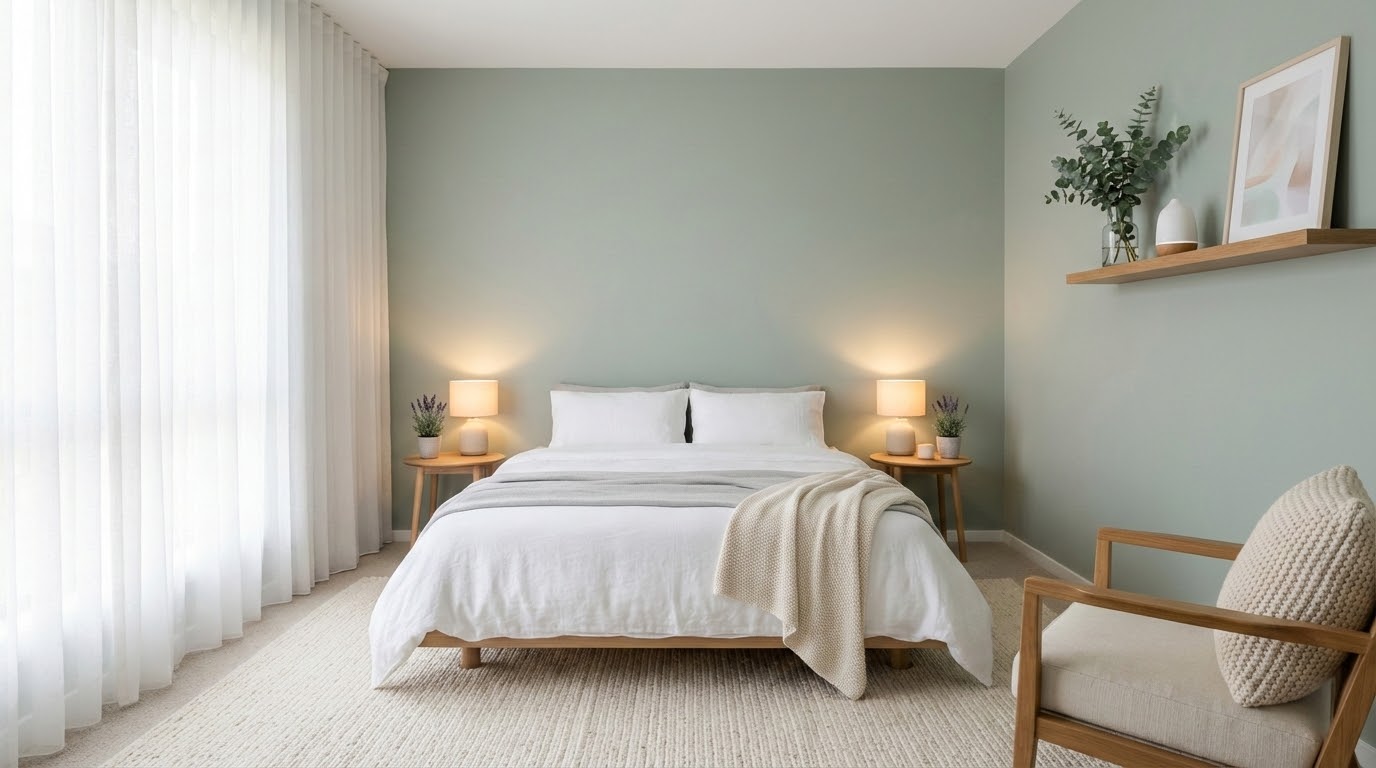
    The foundation begins with thoughtful color choices, lighting arrangements, and material selections. Natural textures bring warmth and comfort to your environment. Materials like linen, wood, and woven fibers add tactile richness while maintaining serene qualities.

    Furniture selection should balance comfort with visual simplicity. Choose pieces that serve their purpose without creating clutter. This approach helps reduce subtle stress and supports peaceful moments.

    Spatial arrangement significantly impacts how you experience your room. Proper furniture placement affects energy flow and movement ease. A well-organized layout contributes to your overall sense of calm.

    The organic modern style has gained popularity for blending minimalist principles with cozy warmth. This aesthetic uses neutral palettes and natural elements to create inviting spaces. The result feels clean yet comfortably lived-in.

    Harmonizing all these elements requires a cohesive vision. Colors, textures, and furniture styles should complement rather than compete. Understanding these fundamentals helps you make informed choices for your personal sanctuary.

    Choosing the Right Color Palette for Deep Rest

    Color selection represents one of the most impactful decisions when crafting a peaceful sleep environment. The psychology of color directly affects our nervous system, with certain hues promoting relaxation while others stimulate the mind. Choosing the right paint for your walls can make a remarkable difference in how quickly you unwind.

    Cool tones like bluish-greens and moody teals create exceptionally modern spaces that feel naturally calming. These colors have a measurable impact on restfulness, as seen in Studio Shamshiri’s approach to bedroom spaces. Even dramatic choices like all-black walls can work beautifully when balanced properly.

    Neutral palettes remain timelessly popular for their serene qualities. Benjamin Moore’s Snowfall White modernizes any space, while monochromatic silvery-grays create cohesive, soothing looks. This palette approach eliminates visual contrast that can feel energizing rather than calming.

    Warm accents like Juno Peach add personality without overwhelming the atmosphere. For a truly intimate bedroom, consider oat colors that soften the environment or even all-over black walls with light bedding. These choices create cocoon-like spaces perfect for deep rest.

    Always test paint samples in your actual room at different times of day. Natural and artificial lighting dramatically affects how colors appear and feel. This simple step ensures your final color choice supports rather than disrupts your restorative environment.

    Lighting, Textures, and Natural Elements

    Thoughtful lighting choices combined with natural textures create a multi-sensory experience that promotes deep relaxation. These elements work together to make your personal retreat feel inviting and calm.

    Layered lighting creates depth in your bedroom. Combine ambient sources like paper lanterns with task lighting for reading. Dimmable options let you adjust the mood from morning to evening.

    Natural textures add warmth and comfort to the space. Materials like linen, rattan, and raw wood bring tactile richness. These elements make your room feel cozy and grounded.

    Windows serve dual purposes in your sleep environment. They provide essential natural light during daytime hours. At night, proper treatments ensure darkness for quality rest.

    Houseplants like Golden Pothos purify air while adding living textures. They connect your room to the natural world. This creates a vibrant yet peaceful atmosphere.

    The interplay between these elements prevents your bedroom from feeling sterile. Each component contributes to a harmonious environment. Your windows become focal points that balance light throughout the day.

    Selecting Furniture: Headboards, Nightstands, and Platform Beds

    Your bed and accompanying furniture form the foundation of a truly relaxing personal retreat. These pieces set the tone for your entire sleep environment. Choosing wisely creates both comfort and visual harmony.

    Platform bed frames offer sleek, modern profiles that work beautifully in rooms with high ceilings. Their low profile creates appealing visual balance. Upholstered versions can instantly elevate the luxury feel of your space.

    The right headboard serves both practical and aesthetic purposes. Custom designs inspired by minimalist artists create unique focal points. Built-in headboard solutions with integrated nightstands offer smart space-saving benefits.

    Your bedside table selection should balance form and function. Floating wood nightstands provide modern aesthetics without sacrificing surface space. Matching pieces on either side of the bed create calming symmetry.

    Material choices significantly impact your room’s atmosphere. Warm wood furniture adds natural texture and timeless appeal. Prioritize quality over quantity when selecting bedroom pieces. Choose items that serve clear purposes in your personal sanctuary.

    Accent Pieces: Artwork, Mirrors, and Decorative Accessories

    Artwork and decorative objects are the soul of a room. They transform it from a standard space into a personal retreat. Your choices here add the final layer of character.

    When selecting artwork for your sleeping area, prioritize a calming effect. Abstract art or serene nature photography often works better than bold, energetic pieces. The goal is to soothe, not stimulate.

    Contemporary framed photos can give your bedroom a modern, gallery-like feel. A simple two-piece gallery wall creates interesting detail without clutter. Even a single, large-scale art piece can stand in for a traditional headboard.

    Mirrors serve a dual purpose. They are both functional and beautiful decorative accent pieces. A large modern mirror placed to reflect a window view effectively brings the outdoors inside.

    Sculptural accents, like a modern bust, add three-dimensional interest. They maintain a sense of calm sophistication. The key is intentionality—every item should contribute to the room’s beauty or personal meaning.

    These final touches make your private space uniquely yours. They complete the harmonious environment essential for true rest.

    Integrating Geometric Motifs and Patterns

    The strategic use of geometric motifs adds architectural interest while maintaining a peaceful atmosphere. These structured patterns bring modern sophistication to your space without disrupting calm vibes. When executed in soothing colors, they enhance rather than overwhelm.

    A cohesive theme can run throughout your bedroom with various elements working together. Think cubic nightstands paired with curved headboards and squared picture frames. Geometric printed curtains continue this unified geometric story beautifully.

    Mixing different pattern scales creates dynamic visual interest. Pairing large-scale polka dots with graphic stripes demonstrates sophisticated sensibility. The key is careful color coordination across all patterns.

    Rugs with geometric motifs can serve as the foundation for your entire room. Let the pattern and colors in your floor covering inform subsequent choices. This approach creates harmony from the ground up with your chosen rug.

    Stripes offer particular versatility in bedroom design. Mix wide, narrow, vertical, and horizontal stripes across textiles and wallcoverings. For children’s spaces, bolder graphic prints create playful, age-appropriate environments.

    The secret to successful pattern integration is restraint. Patterns should enhance rather than dominate your space. Provide plenty of visual breathing room for a balanced look that supports relaxation.

    The Role of Soft Furnishings: Pillows, Bedding, and Throws

    Soft furnishings transform your sleep space from functional to deeply personal. These elements create the tactile experience that makes your room feel like a true retreat. High-quality bedding and supportive pillows directly impact both comfort and visual warmth.

    Crisp white textiles in naturally wrinkled linen embody organic modern aesthetics perfectly. They look fresh yet feel relaxed rather than formal. White linens allow other pieces to make stronger statements in your space.

    Layering creates luxurious, inviting beds. Start with quality sheets and add a duvet or coverlet. Incorporate a textured quilt for visual interest before finishing with throw pillows.

    Creative approaches to pillows add unique character. Transform vintage quilts into custom pillow covers for personal history. A smattering of throw pillows can emphasize your room’s color palette beautifully.

    Linen bedding in colors like gold creates warm, autumnal cocoon feelings. Textural variety prevents visual monotony in neutral schemes. Combine smooth cotton with chunky knit throws and velvet pillows.

    Don’t overlook the practical importance of quality materials. Thread count, breathability, and proper support significantly affect sleep quality. These functional choices impact your rest as much as your room’s appearance.

    Embracing Organic Modern Style for a Natural Feel

    Imagine a space where minimalist principles meet cozy comfort. This describes organic modern style perfectly. It has become a favorite for creating peaceful bedroom environments.

    The look combines neutral colors with natural textures. Think crisp white linens and warm wood furniture. These elements create spaces that feel clean yet inviting.

    Unlike stark minimalism, this approach embraces natural imperfections. Wrinkled linen and rounded furniture silhouettes add character. The result feels lived-in rather than perfect.

    Key pieces include spindle leg nightstands and cane chairs. An upholstered bed frame adds modern luxury. Tall plants and cream drapes complete the natural feel.

    Even within neutral palettes, color accents work beautifully. An ocean blue headboard against cream walls creates focus. This maintains calm while adding visual interest.

    The organic modern approach values quality over quantity. Choose fewer pieces that make strong statements. This creates spaces that support relaxation through thoughtful design.

    This interior style successfully balances simplicity with warmth. It transforms any bedroom into a personal retreat. The final look feels both contemporary and comfortably natural.

    DIY and Budget-Friendly Design Ideas

    Achieving a beautiful and calming personal space doesn’t have to drain your savings. Many high-impact ideas can be executed affordably through do-it-yourself projects and creative thinking. This approach often results in a more personalized and unique bedroom.

    Transforming a vintage quilt into custom pillow covers is a perfect DIY project. It adds character and honors personal history. This is just one way to create a designer look on a tight budget.

    Fabric-wrapped headboards offer another custom solution. Online tutorials make it easy to achieve professional results with basic tools. Simple additions like decorative hooks for robes add both function and style to your home.

    Repurposing furniture creatively extends your funds. A bench placed beneath a large mirror provides extra seating and storage. Shopping secondhand for key pieces allows for significant savings.

    Focus your spending on comfort items like a quality mattress. Then, get creative with decorative elements. These smart ideas prove that a stylish and serene retreat is within reach for everyone.

    Innovative Storage Solutions for a Clutter-Free Room

    Clutter can silently undermine the tranquility of your sleep environment. Making innovative storage essential for maintaining peace.

    Built-in solutions work wonders in any bedroom. Headboards with integrated nightstands maximize functionality beautifully. Bookshelves above the bed provide storage without floor consumption.

    Floating nightstands create a contemporary look while saving space. They make cleaning easier and enhance the sense of openness in smaller rooms. This approach keeps your personal room feeling spacious.

    Hidden solutions maintain sanctuary feelings perfectly. TVs that recess into ceilings borrow luxury hotel tricks. Multi-functional furniture like storage benches offer seating and concealed storage.

    Vertical options make sense when floor area is limited. Tall, narrow dressers provide ample capacity. Wall-mounted systems keep your room organized without crowding.

    Regular decluttering is as important as having adequate storage. Periodically edit your contents to maintain peaceful atmosphere. Remove items that don’t serve clear purposes or bring joy.

    Merging Vintage with Contemporary Accents

    The art of mixing vintage finds with modern elements transforms ordinary rooms into personalized retreats. This approach creates dynamic spaces that feel collected over time rather than purchased from a single catalog. Each piece tells its own story while contributing to a cohesive whole.

    Lighting offers perfect opportunities for blending eras. A vintage blush and gold chandelier pairs beautifully with ceramic table lamps. French mid-century lamps bring character while complementing contemporary surroundings with warm, ambient glow.

    Furniture mixing creates visual interest throughout your bedroom. Ornate vintage dressers work wonderfully with dramatically framed beds. Glass and steel combinations represent ultra-modern choices that benefit from softened, historical touches.

    The secret to successful blending lies in color harmony. When different era pieces share similar tones, they feel intentionally curated. This prevents the space from feeling mismatched or dated.

    A designer‘s eye understands scale and proportion when merging styles. Pair substantial vintage items with equally strong contemporary elements. This balanced approach prevents either era from dominating your personal room.

    Creating a Cohesive Look with Accent Walls and Statement Pieces

    The wall behind your bed offers the perfect canvas for creating a dramatic backdrop that anchors the entire room. This surface naturally draws attention when you enter the space. An accent wall provides opportunity for bold expression without overwhelming your personal retreat.

    Textured treatments like imperfect plaster create earthy, organic character. Mocha brown walls generate warm, autumnal cocoon feelings. Custom fabric-wrapped headboards transform into stunning statement features that redefine the space.

    Don’t overlook your ceiling as a potential design element. Painting both walls and ceiling the same color creates enveloping intimacy. Black surfaces feel surprisingly cozy when balanced with light bedding and adequate natural light.

    Ocean blue built-in headboards serve as standout room features. These pieces become focal points that organize the entire bedroom layout. The key is ensuring other elements remain relatively subdued.

    Choose your paint and treatments carefully to maintain harmony. A single dramatic wall or ceiling treatment creates cohesive visual interest. This approach transforms ordinary spaces into thoughtfully curated environments.

    Designing a Relaxing Bedroom for Better Sleep Quality

    A room dedicated to sleep requires thoughtful planning that puts your rest first. Scientific research confirms that environmental factors directly impact how well we sleep each night.

    Strategic window treatments are essential for quality sleep. Your space needs darkness for melatonin production while welcoming morning light. This regulates your natural circadian rhythm effectively.

    Houseplants like Golden Pothos do more than add beauty. They purify air and may improve sleep quality, especially in sun-drenched rooms. These natural elements create a healthier environment.

    Temperature regulation is crucial for deep sleep. Breathable, natural-fiber bedding allows better air circulation than synthetic alternatives. This functional choice supports comfortable rest throughout the night.

    Minimalist approaches reduce visual stimulation that can keep your mind active. Serene, coastal-inspired rooms with streamlined furniture create calming spaces. Built-in bookshelves above the bed provide storage without clutter.

    When your room features walls of windows overlooking landscapes, enhance rather than compete with these views. This connection to nature promotes relaxation and better sleep quality naturally.

    Consider your bedroom’s functional needs beyond sleep. Adequate task lighting supports reading, while open floor space accommodates meditation. Each element should serve your wellness routine.

    Personalizing Your Restorative Space with Unique Touches

    What truly makes a sleep sanctuary special are the details that reflect who you are. These personal touches transform a well-planned space into your own private retreat. They create an environment that feels authentically yours rather than generic.

    Artwork offers powerful opportunities for self-expression. Consider plexiglass butterfly pieces or framed contemporary photos of cultural icons. Large wooden easels can display your own creative work, adding genuine personality to the room.

    Your hobbies and collections provide wonderful ideas for subtle personalization. Skateboard art appeals to enthusiasts, while vintage cameras on shelves delight photography lovers. These elements should complement rather than overwhelm the peaceful atmosphere.

    Color serves as another effective tool for adding character. A pop of taxi yellow in accessories can energize a neutral scheme. For kids’ spaces, funky lamps resembling earbuds create youthful, exciting environments that still support rest.

    Family heirlooms and sentimental items deserve thoughtful placement. Integrate them in ways that honor their meaning while maintaining visual harmony. The most successful personalization feels organic, not forced by trends.

    Remember that meaningful touches don’t require clutter. Sometimes the most personal choice is creating a serene, minimal space. A skilled designer understands how to balance self-expression with tranquility in any interior.

    Conclusion

    Your journey toward better sleep starts with the environment you create each night. Investing in your bedroom pays dividends for your health and daily energy levels.

    This guide has shown how different elements work together. Color, lighting, and personal touches all contribute to restful atmospheres. The best approach matches your unique style and needs.

    Remember that small changes make big differences. New bedding or blackout curtains can transform your space. Your room should grow with you over time.

    The true success of your restorative bedroom comes from how you feel using it. You now have the ideas to build a sanctuary that supports deep, refreshing sleep.

  • Mindful Home Layout: How to Arrange Your Space for Flow, Balance, and Well-Being

    Mindful Home Layout: How to Arrange Your Space for Flow, Balance, and Well-Being

    Welcome to your guide on creating a living environment that truly supports you. Your house is more than just a building. It’s your sanctuary, your workspace, and your personal retreat.

    Today, our living areas serve many purposes. We work, relax, and recharge all in one place. This makes intentional arrangement more important than ever. A thoughtful layout can reduce stress and improve your daily experience.

    This article explores the art of a mindful home. You will learn how simple changes can create a major impact. We focus on practical strategies for any room.

    Our goal is to help you build an atmosphere of balance and ease. You can transform your interior to better suit your life. Let’s begin the journey toward a more harmonious environment.

    Key Takeaways

    • Your living space plays a vital role in your daily well-being and productivity.
    • Intentional arrangement can significantly reduce stress and create a calming atmosphere.
    • A good layout promotes natural movement and flow from room to room.
    • This guide offers practical steps, whether you’re redecorating or starting fresh.
    • You will learn to assess your needs and make choices that support your lifestyle.
    • Incorporating elements like natural light and purposeful furniture placement is key.

    Introduction to the Mindful Home Layout

    Your personal space holds incredible potential to support your mental clarity and daily focus. According to Mindful.org, mindfulness means being fully aware of where we are and what we’re doing. This concept becomes especially powerful when applied to your interior.

    As we spend more time in our living areas, their arrangement directly affects our ability to stay present. A thoughtful layout helps manage stress and maintain mental clarity throughout the day. This approach means paying close attention to how each area makes you feel.

    Creating a mindful home isn’t about perfect magazine aesthetics. It’s about crafting an environment that resonates with your authentic self. The goal is supporting the lifestyle you truly want to live.

    Before exploring specific techniques, ask yourself some important questions. Do certain colors help you feel grounded? Does organization improve your focus? Would a dedicated relaxation zone encourage more practice?

    Your answers create a foundation for decisions that truly serve your needs. This transforms your space into one that naturally encourages mindfulness during everyday moments. The result is an interior that supports rather than distracts from your well-being.

    Understanding Mindfulness and Interior Design

    Have you ever noticed how certain rooms instantly make you feel more centered and focused? This experience connects directly to the practice of mindfulness. Our physical surroundings powerfully influence our mental state throughout the day.

    The concept of mindfulness involves staying present in the current moment. When applied to interior spaces, this means creating environments that support rather than distract. A well-considered layout can significantly reduce daily stress.

    Thoughtful interior design takes a holistic approach. It considers how spaces affect your entire being—body, spirit, and mind. This goes beyond simple aesthetics to support your overall well-being.

    Research shows that mindful environments boost creativity and focus. They also promote feelings of calm and peace. Your space should help you feel grounded in the present.

    Start by noticing which settings make you feel most at ease. Is it organized areas, natural lighting, or specific color schemes? Use these observations as inspiration for your personal interior choices.

    By understanding this connection, you can create spaces that actively support your mental clarity. Your environment becomes a partner in cultivating awareness and reducing stress throughout your daily life.

    Mindful Home Design: Incorporating Natural Elements and Minimalism

    Bringing the outdoors inside transforms your living area into a calming retreat. Natural elements create an immediate connection to the organic world around us.

    Choose materials that feel authentic and warm. Wood furniture, stone surfaces, and natural fiber textiles like cotton and wool add tactile comfort. These choices make your interior feel grounded and soothing.

    Plants serve as living focal points that change with time. They improve air quality while reminding us of nature’s rhythms. Caring for greenery encourages presence in daily moments.

    A natural color palette creates visual harmony. Earth tones, soft greens, and warm neutrals provide a peaceful backdrop. This approach lets your mind rest without sensory overload.

    Minimalism means being intentional about what enters your space. It’s not about emptiness but about keeping items that serve purpose or bring joy. This creates visual breathing room and reduces mental clutter.

    Select quality pieces made from sustainable materials. Well-crafted furniture ages beautifully and lasts for years. This approach values longevity over temporary trends.

    Notice how light interacts with your materials throughout the day. Sunlight playing across wooden surfaces or illuminating plants becomes a meditation. These small moments help you appreciate natural changes.

    Your environment should support looking inward rather than impressing others. Every choice should contribute to an atmosphere of peace and connection.

    Practical How-To Steps for Arranging Your Space

    Let’s transform your rooms into places that work beautifully for your daily life. Start by looking at each area with fresh eyes. Ask yourself how you really use the space versus how you want to use it.

    This assessment reveals opportunities for better flow. Strategic furniture placement can create a natural sense of movement. Balance and ease come from removing obstacles and defining clear pathways.

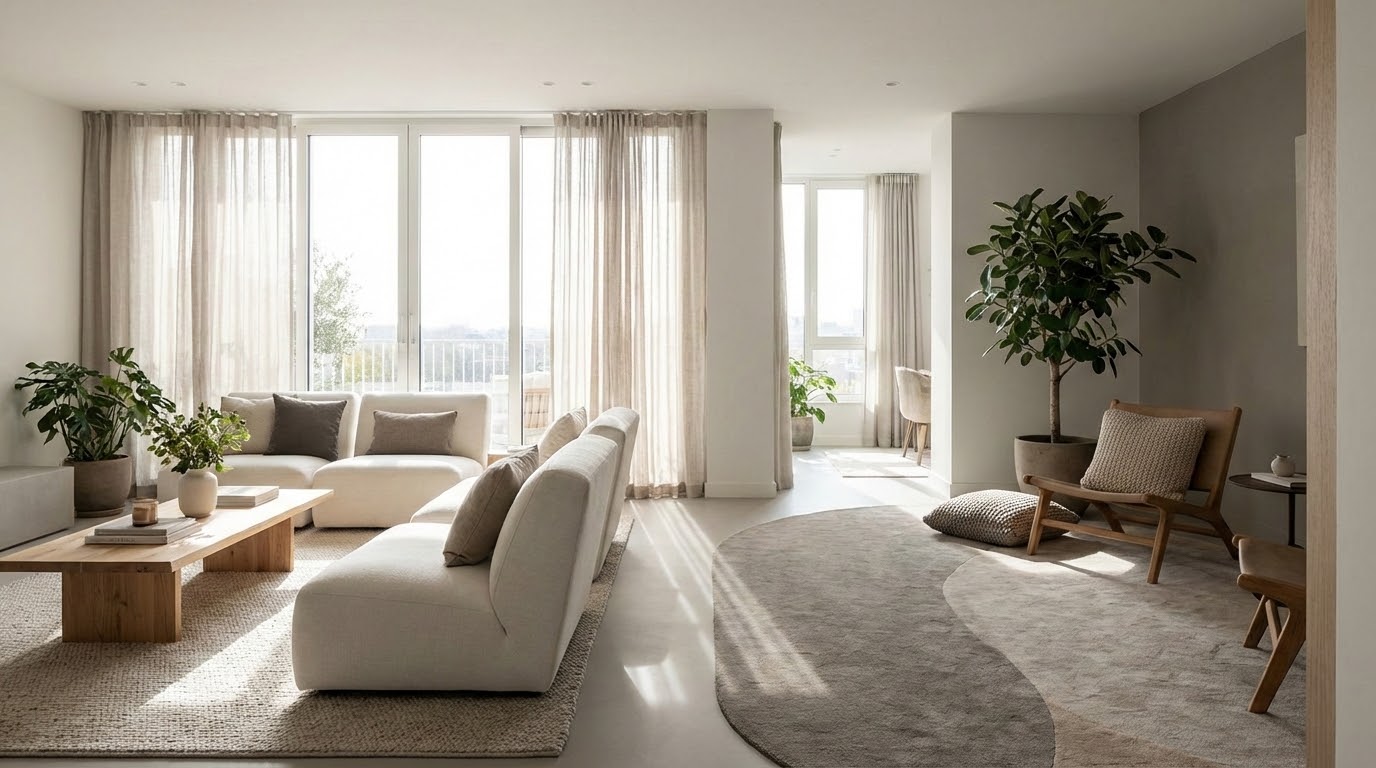
    Even without a spare room, you can create special corners. A quiet spot near a window makes a perfect personal retreat. Use a rug or a room divider to mark this zone visually.

    Light plays a huge role in how a room feels. Maximize natural light by keeping windows clear. Sheer curtains soften the glow while letting sunshine in.

    Layer your lighting with different sources. Combine overhead fixtures with table and floor lamps. This approach avoids harsh shadows and creates a warm ambiance.

    Smart storage keeps everyday items organized and out of sight. Choose solutions that fit your lifestyle. This reduces visual clutter, which helps calm the mind.

    In the bedroom, position your bed to face the door indirectly. Create symmetry with matching nightstands. This setup promotes a feeling of security and rest.

    Arrange seating to encourage conversation and connection. Leave enough space for people to move around comfortably. Good flow makes any room more inviting.

    Group decor items in small, intentional vignettes. Odd numbers and varying heights create visual interest. This technique feels curated, not cluttered.

    Remember, your space can evolve over time. Small changes keep your environment fresh and engaging. Moving a chair or adding a new color can make a big difference.

    Enhancing Well-Being Through Thoughtful Decor

    Every object in your surroundings contributes to the emotional tone of your day, from the moment you wake up to when you unwind. The right home decor creates an atmosphere that supports your natural rhythms.

    Lighting plays a crucial role in setting the right mood. Dimmable lamps allow you to adjust brightness throughout the day. This supports both active hours and evening relaxation.

    Choose decorative objects that hold personal meaning. Photos of loved ones or travel souvenirs create emotional connections. These items provide comfort during stressful moments.

    Incorporate plants and natural materials to connect with the outdoor world. Living greenery purifies the air and creates focal points for quiet meditation.

    Create zones of comfort with plush furniture and soft textiles. Consider color psychology when selecting your palette. Soft blues promote calm, while warm earth tones create coziness.

    Your decorative choices should reflect your authentic self. The goal is to create an environment that brings you peace and ease. Thoughtful arrangement makes your spaces truly supportive.

    Conclusion

    Your journey toward a more intentional living space doesn’t end with a single rearrangement—it evolves alongside your life. The most supportive interiors grow with you, requiring regular attention to how each room serves your current needs.

    Small changes keep your surroundings fresh and engaging. Moving a chair to a different corner or introducing new lighting can refresh your perspective. These subtle shifts help you rediscover your environment with new eyes.

    Remember that your space should reflect your authentic self rather than chasing trends. Choose pieces that bring you comfort and meaning. Quality items you truly love create an atmosphere of peace.

    Start with one area today—perhaps your bedroom or a quiet corner. Experience how thoughtful arrangement reduces stress and enhances daily balance. Your environment becomes a true partner in well-being.