Welcome to your guide on creating a living environment that truly supports you. Your house is more than just a building. It’s your sanctuary, your workspace, and your personal retreat.
Today, our living areas serve many purposes. We work, relax, and recharge all in one place. This makes intentional arrangement more important than ever. A thoughtful layout can reduce stress and improve your daily experience.
This article explores the art of a mindful home. You will learn how simple changes can create a major impact. We focus on practical strategies for any room.
Our goal is to help you build an atmosphere of balance and ease. You can transform your interior to better suit your life. Let’s begin the journey toward a more harmonious environment.
Key Takeaways
- Your living space plays a vital role in your daily well-being and productivity.
- Intentional arrangement can significantly reduce stress and create a calming atmosphere.
- A good layout promotes natural movement and flow from room to room.
- This guide offers practical steps, whether you’re redecorating or starting fresh.
- You will learn to assess your needs and make choices that support your lifestyle.
- Incorporating elements like natural light and purposeful furniture placement is key.
Introduction to the Mindful Home Layout
Your personal space holds incredible potential to support your mental clarity and daily focus. According to Mindful.org, mindfulness means being fully aware of where we are and what we’re doing. This concept becomes especially powerful when applied to your interior.
As we spend more time in our living areas, their arrangement directly affects our ability to stay present. A thoughtful layout helps manage stress and maintain mental clarity throughout the day. This approach means paying close attention to how each area makes you feel.
Creating a mindful home isn’t about perfect magazine aesthetics. It’s about crafting an environment that resonates with your authentic self. The goal is supporting the lifestyle you truly want to live.
Before exploring specific techniques, ask yourself some important questions. Do certain colors help you feel grounded? Does organization improve your focus? Would a dedicated relaxation zone encourage more practice?
Your answers create a foundation for decisions that truly serve your needs. This transforms your space into one that naturally encourages mindfulness during everyday moments. The result is an interior that supports rather than distracts from your well-being.
Understanding Mindfulness and Interior Design
Have you ever noticed how certain rooms instantly make you feel more centered and focused? This experience connects directly to the practice of mindfulness. Our physical surroundings powerfully influence our mental state throughout the day.
The concept of mindfulness involves staying present in the current moment. When applied to interior spaces, this means creating environments that support rather than distract. A well-considered layout can significantly reduce daily stress.
Thoughtful interior design takes a holistic approach. It considers how spaces affect your entire being—body, spirit, and mind. This goes beyond simple aesthetics to support your overall well-being.
Research shows that mindful environments boost creativity and focus. They also promote feelings of calm and peace. Your space should help you feel grounded in the present.
Start by noticing which settings make you feel most at ease. Is it organized areas, natural lighting, or specific color schemes? Use these observations as inspiration for your personal interior choices.
By understanding this connection, you can create spaces that actively support your mental clarity. Your environment becomes a partner in cultivating awareness and reducing stress throughout your daily life.
Mindful Home Design: Incorporating Natural Elements and Minimalism
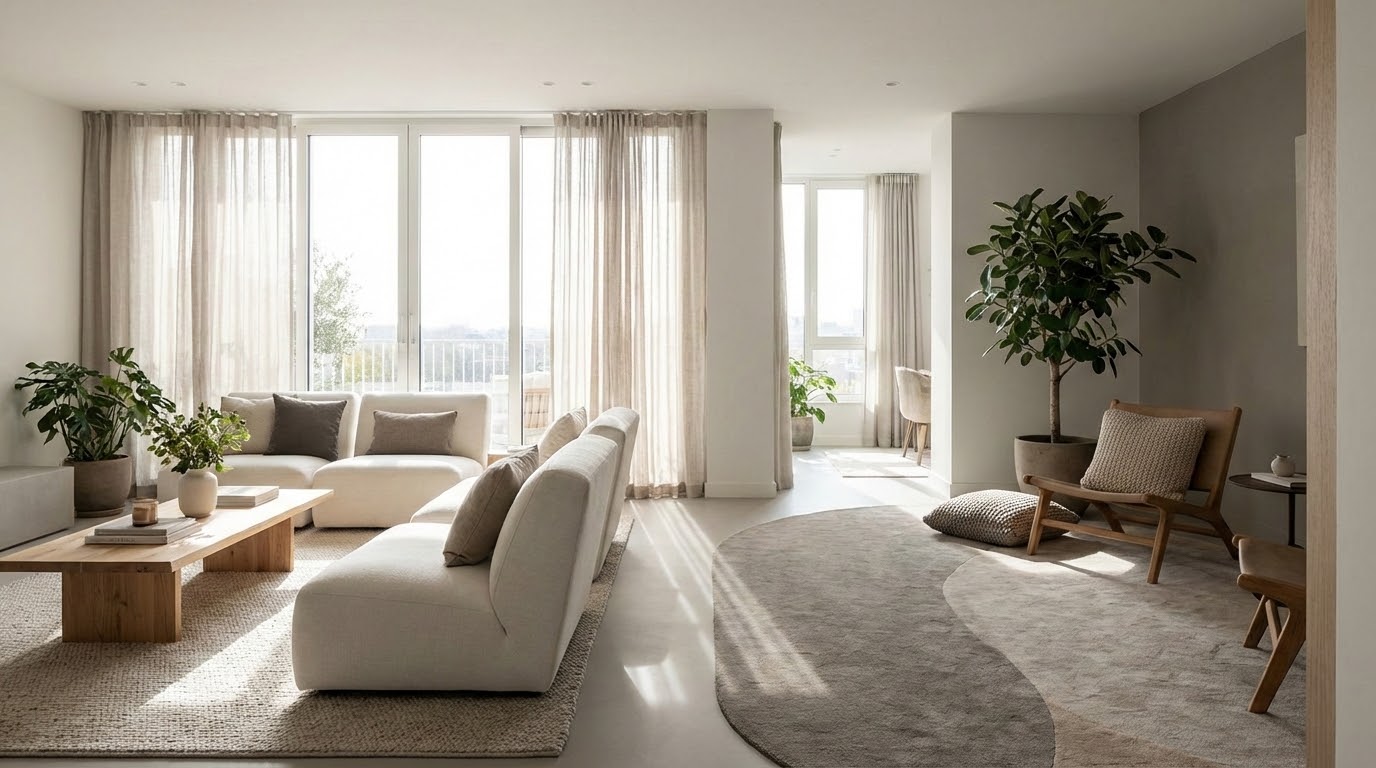
Bringing the outdoors inside transforms your living area into a calming retreat. Natural elements create an immediate connection to the organic world around us.
Choose materials that feel authentic and warm. Wood furniture, stone surfaces, and natural fiber textiles like cotton and wool add tactile comfort. These choices make your interior feel grounded and soothing.
Plants serve as living focal points that change with time. They improve air quality while reminding us of nature’s rhythms. Caring for greenery encourages presence in daily moments.
A natural color palette creates visual harmony. Earth tones, soft greens, and warm neutrals provide a peaceful backdrop. This approach lets your mind rest without sensory overload.
Minimalism means being intentional about what enters your space. It’s not about emptiness but about keeping items that serve purpose or bring joy. This creates visual breathing room and reduces mental clutter.
Select quality pieces made from sustainable materials. Well-crafted furniture ages beautifully and lasts for years. This approach values longevity over temporary trends.
Notice how light interacts with your materials throughout the day. Sunlight playing across wooden surfaces or illuminating plants becomes a meditation. These small moments help you appreciate natural changes.
Your environment should support looking inward rather than impressing others. Every choice should contribute to an atmosphere of peace and connection.
Practical How-To Steps for Arranging Your Space
Let’s transform your rooms into places that work beautifully for your daily life. Start by looking at each area with fresh eyes. Ask yourself how you really use the space versus how you want to use it.
This assessment reveals opportunities for better flow. Strategic furniture placement can create a natural sense of movement. Balance and ease come from removing obstacles and defining clear pathways.
Even without a spare room, you can create special corners. A quiet spot near a window makes a perfect personal retreat. Use a rug or a room divider to mark this zone visually.
Light plays a huge role in how a room feels. Maximize natural light by keeping windows clear. Sheer curtains soften the glow while letting sunshine in.
Layer your lighting with different sources. Combine overhead fixtures with table and floor lamps. This approach avoids harsh shadows and creates a warm ambiance.
Smart storage keeps everyday items organized and out of sight. Choose solutions that fit your lifestyle. This reduces visual clutter, which helps calm the mind.
In the bedroom, position your bed to face the door indirectly. Create symmetry with matching nightstands. This setup promotes a feeling of security and rest.
Arrange seating to encourage conversation and connection. Leave enough space for people to move around comfortably. Good flow makes any room more inviting.
Group decor items in small, intentional vignettes. Odd numbers and varying heights create visual interest. This technique feels curated, not cluttered.
Remember, your space can evolve over time. Small changes keep your environment fresh and engaging. Moving a chair or adding a new color can make a big difference.
Enhancing Well-Being Through Thoughtful Decor
Every object in your surroundings contributes to the emotional tone of your day, from the moment you wake up to when you unwind. The right home decor creates an atmosphere that supports your natural rhythms.
Lighting plays a crucial role in setting the right mood. Dimmable lamps allow you to adjust brightness throughout the day. This supports both active hours and evening relaxation.
Choose decorative objects that hold personal meaning. Photos of loved ones or travel souvenirs create emotional connections. These items provide comfort during stressful moments.
Incorporate plants and natural materials to connect with the outdoor world. Living greenery purifies the air and creates focal points for quiet meditation.
Create zones of comfort with plush furniture and soft textiles. Consider color psychology when selecting your palette. Soft blues promote calm, while warm earth tones create coziness.
Your decorative choices should reflect your authentic self. The goal is to create an environment that brings you peace and ease. Thoughtful arrangement makes your spaces truly supportive.
Conclusion
Your journey toward a more intentional living space doesn’t end with a single rearrangement—it evolves alongside your life. The most supportive interiors grow with you, requiring regular attention to how each room serves your current needs.
Small changes keep your surroundings fresh and engaging. Moving a chair to a different corner or introducing new lighting can refresh your perspective. These subtle shifts help you rediscover your environment with new eyes.
Remember that your space should reflect your authentic self rather than chasing trends. Choose pieces that bring you comfort and meaning. Quality items you truly love create an atmosphere of peace.
Start with one area today—perhaps your bedroom or a quiet corner. Experience how thoughtful arrangement reduces stress and enhances daily balance. Your environment becomes a true partner in well-being.