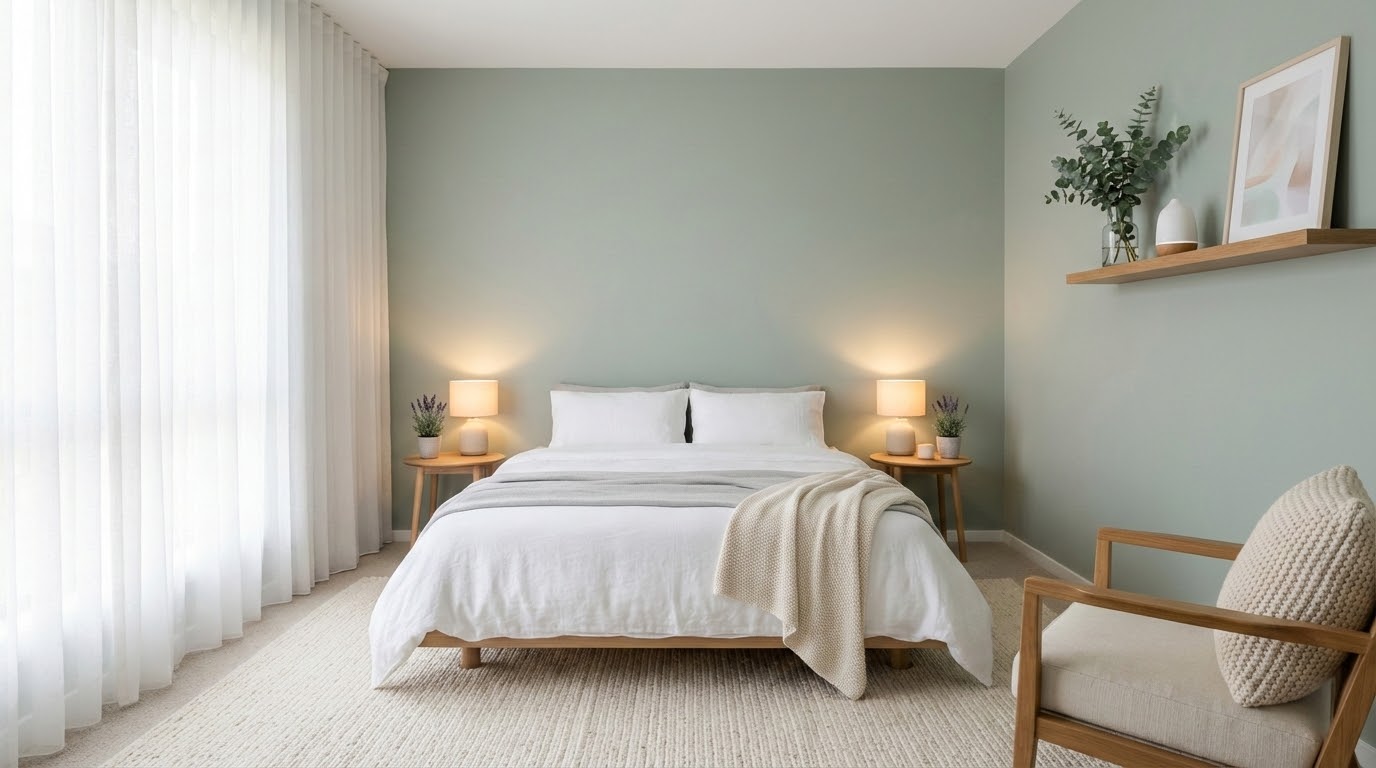
Your sleeping area should be more than just a place to rest. It’s your personal retreat where you escape daily stress to recharge. Making thoughtful choices for this space is crucial for your wellbeing.
Creating a restorative environment involves combining soothing colors, comfortable textures, and proper lighting. These elements work together to promote relaxation and quality sleep. The right furniture selection also plays a key role.
This guide walks you through transforming your sleeping quarters into a true sanctuary. We cover everything from basic principles to small decorative touches that make a big difference. Whether starting fresh or refreshing your current room, these essentials help create a space that supports sleep health.
Modern approaches recognize the strong connection between our surroundings and rest quality. Experts agree that intentional planning can dramatically improve how well you sleep. You’ll find practical strategies for every budget and style preference.
Key Takeaways
- Your sleeping space should serve as a personal sanctuary for recharging
- Thoughtful color, texture, and lighting choices significantly impact relaxation
- Intentional planning improves sleep quality and overall wellness
- Practical strategies exist for every budget and style preference
- Small decorative details can make a substantial difference in your environment
- Transforming your room is achievable regardless of current home situation
- The connection between surroundings and rest quality is well-established
Introduction to Creating a Sleep Sanctuary
The journey to creating your ideal sleep environment begins with recognizing how profoundly our surroundings impact rest quality. A true sanctuary differs from a standard room because it prioritizes relaxation above all other functions. Every element works together to signal your body it’s time to unwind in the right way.
Modern terminology has evolved to reflect more inclusive values. The real estate community now uses “Primary Bedroom” instead of outdated terms. This shift recognizes the importance of creating welcoming bedrooms for everyone.
Your approach should consider both aesthetics and functionality. Think about how the space makes you feel when you enter. The design process involves carefully selecting elements that promote calmness and comfort.
Transforming your sleeping area represents an investment in your health. Quality sleep strengthens your immune system and improves mental clarity. Creating the proper environment offers one of the most valuable home improvements available.
This personal journey should reflect your unique needs while incorporating proven principles. Your sleep sanctuary becomes a dedicated retreat supporting deep, restorative rest night after night.
Key Elements of Restorative Bedroom Design
Creating a truly relaxing sleep space involves mastering several core elements that interact seamlessly to promote tranquility. These components work together like a well-conducted orchestra, each playing its part in your nightly retreat.
The foundation begins with thoughtful color choices, lighting arrangements, and material selections. Natural textures bring warmth and comfort to your environment. Materials like linen, wood, and woven fibers add tactile richness while maintaining serene qualities.
Furniture selection should balance comfort with visual simplicity. Choose pieces that serve their purpose without creating clutter. This approach helps reduce subtle stress and supports peaceful moments.
Spatial arrangement significantly impacts how you experience your room. Proper furniture placement affects energy flow and movement ease. A well-organized layout contributes to your overall sense of calm.
The organic modern style has gained popularity for blending minimalist principles with cozy warmth. This aesthetic uses neutral palettes and natural elements to create inviting spaces. The result feels clean yet comfortably lived-in.
Harmonizing all these elements requires a cohesive vision. Colors, textures, and furniture styles should complement rather than compete. Understanding these fundamentals helps you make informed choices for your personal sanctuary.
Choosing the Right Color Palette for Deep Rest
Color selection represents one of the most impactful decisions when crafting a peaceful sleep environment. The psychology of color directly affects our nervous system, with certain hues promoting relaxation while others stimulate the mind. Choosing the right paint for your walls can make a remarkable difference in how quickly you unwind.
Cool tones like bluish-greens and moody teals create exceptionally modern spaces that feel naturally calming. These colors have a measurable impact on restfulness, as seen in Studio Shamshiri’s approach to bedroom spaces. Even dramatic choices like all-black walls can work beautifully when balanced properly.
Neutral palettes remain timelessly popular for their serene qualities. Benjamin Moore’s Snowfall White modernizes any space, while monochromatic silvery-grays create cohesive, soothing looks. This palette approach eliminates visual contrast that can feel energizing rather than calming.
Warm accents like Juno Peach add personality without overwhelming the atmosphere. For a truly intimate bedroom, consider oat colors that soften the environment or even all-over black walls with light bedding. These choices create cocoon-like spaces perfect for deep rest.
Always test paint samples in your actual room at different times of day. Natural and artificial lighting dramatically affects how colors appear and feel. This simple step ensures your final color choice supports rather than disrupts your restorative environment.
Lighting, Textures, and Natural Elements
Thoughtful lighting choices combined with natural textures create a multi-sensory experience that promotes deep relaxation. These elements work together to make your personal retreat feel inviting and calm.
Layered lighting creates depth in your bedroom. Combine ambient sources like paper lanterns with task lighting for reading. Dimmable options let you adjust the mood from morning to evening.
Natural textures add warmth and comfort to the space. Materials like linen, rattan, and raw wood bring tactile richness. These elements make your room feel cozy and grounded.
Windows serve dual purposes in your sleep environment. They provide essential natural light during daytime hours. At night, proper treatments ensure darkness for quality rest.
Houseplants like Golden Pothos purify air while adding living textures. They connect your room to the natural world. This creates a vibrant yet peaceful atmosphere.
The interplay between these elements prevents your bedroom from feeling sterile. Each component contributes to a harmonious environment. Your windows become focal points that balance light throughout the day.
Selecting Furniture: Headboards, Nightstands, and Platform Beds
Your bed and accompanying furniture form the foundation of a truly relaxing personal retreat. These pieces set the tone for your entire sleep environment. Choosing wisely creates both comfort and visual harmony.
Platform bed frames offer sleek, modern profiles that work beautifully in rooms with high ceilings. Their low profile creates appealing visual balance. Upholstered versions can instantly elevate the luxury feel of your space.
The right headboard serves both practical and aesthetic purposes. Custom designs inspired by minimalist artists create unique focal points. Built-in headboard solutions with integrated nightstands offer smart space-saving benefits.
Your bedside table selection should balance form and function. Floating wood nightstands provide modern aesthetics without sacrificing surface space. Matching pieces on either side of the bed create calming symmetry.
Material choices significantly impact your room’s atmosphere. Warm wood furniture adds natural texture and timeless appeal. Prioritize quality over quantity when selecting bedroom pieces. Choose items that serve clear purposes in your personal sanctuary.
Accent Pieces: Artwork, Mirrors, and Decorative Accessories
Artwork and decorative objects are the soul of a room. They transform it from a standard space into a personal retreat. Your choices here add the final layer of character.
When selecting artwork for your sleeping area, prioritize a calming effect. Abstract art or serene nature photography often works better than bold, energetic pieces. The goal is to soothe, not stimulate.
Contemporary framed photos can give your bedroom a modern, gallery-like feel. A simple two-piece gallery wall creates interesting detail without clutter. Even a single, large-scale art piece can stand in for a traditional headboard.
Mirrors serve a dual purpose. They are both functional and beautiful decorative accent pieces. A large modern mirror placed to reflect a window view effectively brings the outdoors inside.
Sculptural accents, like a modern bust, add three-dimensional interest. They maintain a sense of calm sophistication. The key is intentionality—every item should contribute to the room’s beauty or personal meaning.
These final touches make your private space uniquely yours. They complete the harmonious environment essential for true rest.
Integrating Geometric Motifs and Patterns
The strategic use of geometric motifs adds architectural interest while maintaining a peaceful atmosphere. These structured patterns bring modern sophistication to your space without disrupting calm vibes. When executed in soothing colors, they enhance rather than overwhelm.
A cohesive theme can run throughout your bedroom with various elements working together. Think cubic nightstands paired with curved headboards and squared picture frames. Geometric printed curtains continue this unified geometric story beautifully.
Mixing different pattern scales creates dynamic visual interest. Pairing large-scale polka dots with graphic stripes demonstrates sophisticated sensibility. The key is careful color coordination across all patterns.
Rugs with geometric motifs can serve as the foundation for your entire room. Let the pattern and colors in your floor covering inform subsequent choices. This approach creates harmony from the ground up with your chosen rug.
Stripes offer particular versatility in bedroom design. Mix wide, narrow, vertical, and horizontal stripes across textiles and wallcoverings. For children’s spaces, bolder graphic prints create playful, age-appropriate environments.
The secret to successful pattern integration is restraint. Patterns should enhance rather than dominate your space. Provide plenty of visual breathing room for a balanced look that supports relaxation.
The Role of Soft Furnishings: Pillows, Bedding, and Throws
Soft furnishings transform your sleep space from functional to deeply personal. These elements create the tactile experience that makes your room feel like a true retreat. High-quality bedding and supportive pillows directly impact both comfort and visual warmth.
Crisp white textiles in naturally wrinkled linen embody organic modern aesthetics perfectly. They look fresh yet feel relaxed rather than formal. White linens allow other pieces to make stronger statements in your space.
Layering creates luxurious, inviting beds. Start with quality sheets and add a duvet or coverlet. Incorporate a textured quilt for visual interest before finishing with throw pillows.
Creative approaches to pillows add unique character. Transform vintage quilts into custom pillow covers for personal history. A smattering of throw pillows can emphasize your room’s color palette beautifully.
Linen bedding in colors like gold creates warm, autumnal cocoon feelings. Textural variety prevents visual monotony in neutral schemes. Combine smooth cotton with chunky knit throws and velvet pillows.
Don’t overlook the practical importance of quality materials. Thread count, breathability, and proper support significantly affect sleep quality. These functional choices impact your rest as much as your room’s appearance.
Embracing Organic Modern Style for a Natural Feel
Imagine a space where minimalist principles meet cozy comfort. This describes organic modern style perfectly. It has become a favorite for creating peaceful bedroom environments.
The look combines neutral colors with natural textures. Think crisp white linens and warm wood furniture. These elements create spaces that feel clean yet inviting.
Unlike stark minimalism, this approach embraces natural imperfections. Wrinkled linen and rounded furniture silhouettes add character. The result feels lived-in rather than perfect.
Key pieces include spindle leg nightstands and cane chairs. An upholstered bed frame adds modern luxury. Tall plants and cream drapes complete the natural feel.
Even within neutral palettes, color accents work beautifully. An ocean blue headboard against cream walls creates focus. This maintains calm while adding visual interest.
The organic modern approach values quality over quantity. Choose fewer pieces that make strong statements. This creates spaces that support relaxation through thoughtful design.
This interior style successfully balances simplicity with warmth. It transforms any bedroom into a personal retreat. The final look feels both contemporary and comfortably natural.
DIY and Budget-Friendly Design Ideas
Achieving a beautiful and calming personal space doesn’t have to drain your savings. Many high-impact ideas can be executed affordably through do-it-yourself projects and creative thinking. This approach often results in a more personalized and unique bedroom.
Transforming a vintage quilt into custom pillow covers is a perfect DIY project. It adds character and honors personal history. This is just one way to create a designer look on a tight budget.
Fabric-wrapped headboards offer another custom solution. Online tutorials make it easy to achieve professional results with basic tools. Simple additions like decorative hooks for robes add both function and style to your home.
Repurposing furniture creatively extends your funds. A bench placed beneath a large mirror provides extra seating and storage. Shopping secondhand for key pieces allows for significant savings.
Focus your spending on comfort items like a quality mattress. Then, get creative with decorative elements. These smart ideas prove that a stylish and serene retreat is within reach for everyone.
Innovative Storage Solutions for a Clutter-Free Room
Clutter can silently undermine the tranquility of your sleep environment. Making innovative storage essential for maintaining peace.
Built-in solutions work wonders in any bedroom. Headboards with integrated nightstands maximize functionality beautifully. Bookshelves above the bed provide storage without floor consumption.
Floating nightstands create a contemporary look while saving space. They make cleaning easier and enhance the sense of openness in smaller rooms. This approach keeps your personal room feeling spacious.
Hidden solutions maintain sanctuary feelings perfectly. TVs that recess into ceilings borrow luxury hotel tricks. Multi-functional furniture like storage benches offer seating and concealed storage.
Vertical options make sense when floor area is limited. Tall, narrow dressers provide ample capacity. Wall-mounted systems keep your room organized without crowding.
Regular decluttering is as important as having adequate storage. Periodically edit your contents to maintain peaceful atmosphere. Remove items that don’t serve clear purposes or bring joy.
Merging Vintage with Contemporary Accents
The art of mixing vintage finds with modern elements transforms ordinary rooms into personalized retreats. This approach creates dynamic spaces that feel collected over time rather than purchased from a single catalog. Each piece tells its own story while contributing to a cohesive whole.
Lighting offers perfect opportunities for blending eras. A vintage blush and gold chandelier pairs beautifully with ceramic table lamps. French mid-century lamps bring character while complementing contemporary surroundings with warm, ambient glow.
Furniture mixing creates visual interest throughout your bedroom. Ornate vintage dressers work wonderfully with dramatically framed beds. Glass and steel combinations represent ultra-modern choices that benefit from softened, historical touches.
The secret to successful blending lies in color harmony. When different era pieces share similar tones, they feel intentionally curated. This prevents the space from feeling mismatched or dated.
A designer‘s eye understands scale and proportion when merging styles. Pair substantial vintage items with equally strong contemporary elements. This balanced approach prevents either era from dominating your personal room.
Creating a Cohesive Look with Accent Walls and Statement Pieces
The wall behind your bed offers the perfect canvas for creating a dramatic backdrop that anchors the entire room. This surface naturally draws attention when you enter the space. An accent wall provides opportunity for bold expression without overwhelming your personal retreat.
Textured treatments like imperfect plaster create earthy, organic character. Mocha brown walls generate warm, autumnal cocoon feelings. Custom fabric-wrapped headboards transform into stunning statement features that redefine the space.
Don’t overlook your ceiling as a potential design element. Painting both walls and ceiling the same color creates enveloping intimacy. Black surfaces feel surprisingly cozy when balanced with light bedding and adequate natural light.
Ocean blue built-in headboards serve as standout room features. These pieces become focal points that organize the entire bedroom layout. The key is ensuring other elements remain relatively subdued.
Choose your paint and treatments carefully to maintain harmony. A single dramatic wall or ceiling treatment creates cohesive visual interest. This approach transforms ordinary spaces into thoughtfully curated environments.
Designing a Relaxing Bedroom for Better Sleep Quality
A room dedicated to sleep requires thoughtful planning that puts your rest first. Scientific research confirms that environmental factors directly impact how well we sleep each night.
Strategic window treatments are essential for quality sleep. Your space needs darkness for melatonin production while welcoming morning light. This regulates your natural circadian rhythm effectively.
Houseplants like Golden Pothos do more than add beauty. They purify air and may improve sleep quality, especially in sun-drenched rooms. These natural elements create a healthier environment.
Temperature regulation is crucial for deep sleep. Breathable, natural-fiber bedding allows better air circulation than synthetic alternatives. This functional choice supports comfortable rest throughout the night.
Minimalist approaches reduce visual stimulation that can keep your mind active. Serene, coastal-inspired rooms with streamlined furniture create calming spaces. Built-in bookshelves above the bed provide storage without clutter.
When your room features walls of windows overlooking landscapes, enhance rather than compete with these views. This connection to nature promotes relaxation and better sleep quality naturally.
Consider your bedroom’s functional needs beyond sleep. Adequate task lighting supports reading, while open floor space accommodates meditation. Each element should serve your wellness routine.
Personalizing Your Restorative Space with Unique Touches
What truly makes a sleep sanctuary special are the details that reflect who you are. These personal touches transform a well-planned space into your own private retreat. They create an environment that feels authentically yours rather than generic.
Artwork offers powerful opportunities for self-expression. Consider plexiglass butterfly pieces or framed contemporary photos of cultural icons. Large wooden easels can display your own creative work, adding genuine personality to the room.
Your hobbies and collections provide wonderful ideas for subtle personalization. Skateboard art appeals to enthusiasts, while vintage cameras on shelves delight photography lovers. These elements should complement rather than overwhelm the peaceful atmosphere.
Color serves as another effective tool for adding character. A pop of taxi yellow in accessories can energize a neutral scheme. For kids’ spaces, funky lamps resembling earbuds create youthful, exciting environments that still support rest.
Family heirlooms and sentimental items deserve thoughtful placement. Integrate them in ways that honor their meaning while maintaining visual harmony. The most successful personalization feels organic, not forced by trends.
Remember that meaningful touches don’t require clutter. Sometimes the most personal choice is creating a serene, minimal space. A skilled designer understands how to balance self-expression with tranquility in any interior.
Conclusion
Your journey toward better sleep starts with the environment you create each night. Investing in your bedroom pays dividends for your health and daily energy levels.
This guide has shown how different elements work together. Color, lighting, and personal touches all contribute to restful atmospheres. The best approach matches your unique style and needs.
Remember that small changes make big differences. New bedding or blackout curtains can transform your space. Your room should grow with you over time.
The true success of your restorative bedroom comes from how you feel using it. You now have the ideas to build a sanctuary that supports deep, refreshing sleep.