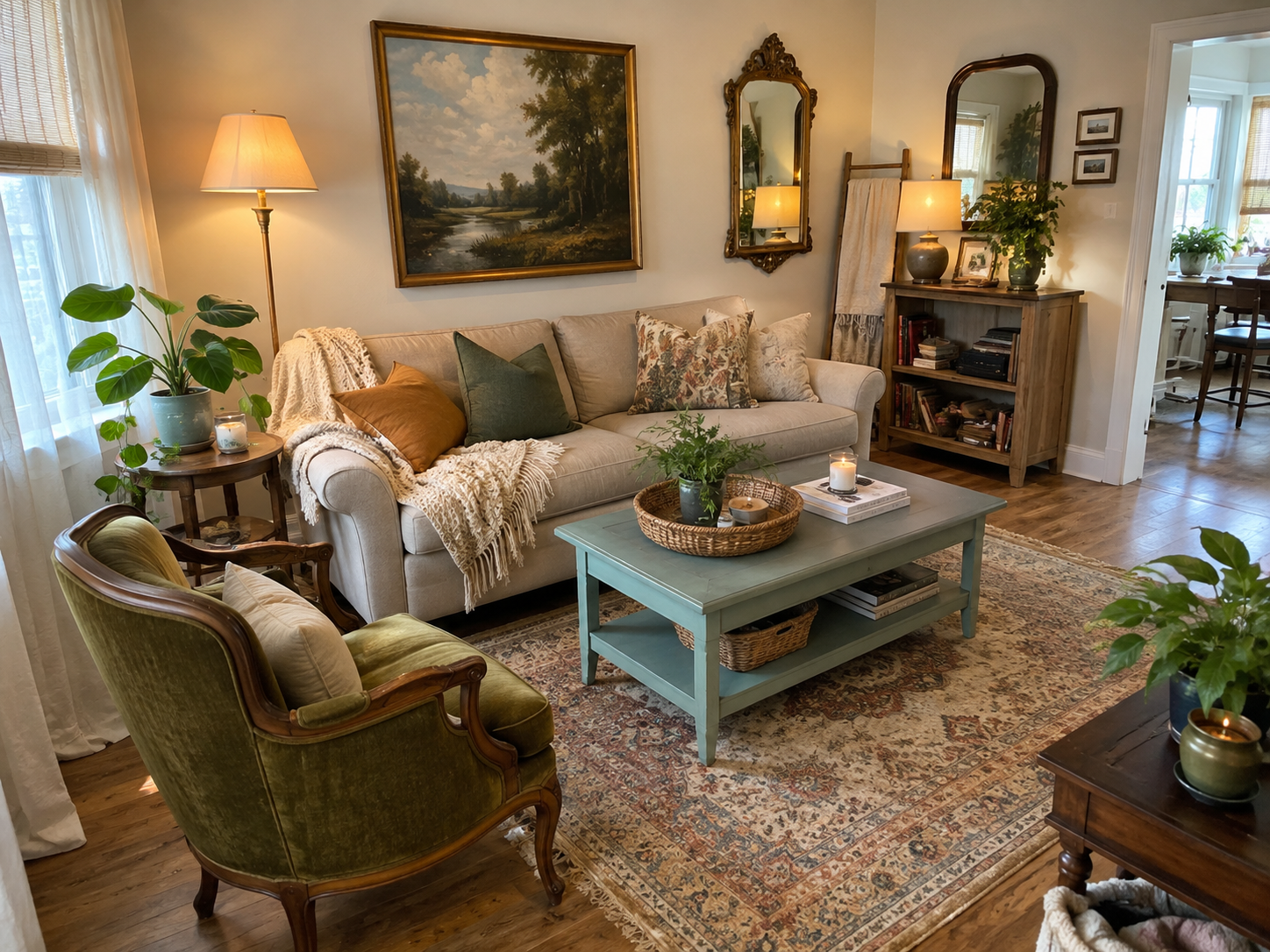
<p>Refreshing your home doesn’t require a large budget. With careful planning and creative choices, you can update your space without overspending. From thrifting to repurposing what you own, these ideas prove that style and affordability work together. Focus on changes that make a big difference without costing much.</p>

<h2>At a Glance</h2>

<ul>
<li><strong>Prioritize statement pieces:</strong> One bold item per room creates a focal point for under $100.</li>
<li><strong>Embrace secondhand finds:</strong> Thrift stores, estate sales, and online marketplaces offer unique pieces at much lower prices.</li>
<li><strong>Repurpose and upcycle:</strong> Give old furniture or decor new life with paint or creative changes.</li>
<li><strong>Focus on lighting:</strong> Swapping fixtures or adding layered lighting can change a room’s feel.</li>
<li><strong>Use mirrors strategically:</strong> Placing mirrors to reflect light makes rooms feel larger.</li>
</ul>

<h2>Start with a Clear Vision: Define Your Style and Priorities</h2>

<p>Before decorating, decide what you want each room to achieve. Ask: What mood do I want? Are there styles I prefer? A 2025 Houzz survey found that homeowners who defined their style before decorating spent 30% less while getting better results. Gather inspiration—use Pinterest or magazine images to spot themes. This helps avoid impulse buys and ensures every purchase has a purpose.</p>

<p>For example, if modern minimalism appeals to you, focus on clean lines and neutral colors. If you like eclectic style, mix vintage pieces with bold patterns. The <a href="https://thehandsonhome.com/philosophy/">The Hands-on Home philosophy</a> emphasizes intentional design, where each piece adds meaning to your space.</p>

<h2>Thrift and Secondhand Shopping: The Treasure Hunt Approach</h2>

<p>Thrift stores, consignment shops, and online platforms like Facebook Marketplace and Chairish offer affordable decor. The <a href="https://www.epa.gov/" rel="nofollow">U.S. Environmental Protection Agency (EPA)</a> reports that about 12 million tons of furniture end up in landfills each year. Shopping secondhand reduces waste and provides unique items that add character to your home. Look for solid wood frames, vintage textiles, and ceramic pieces—these last and often cost 70–90% less than new.</p>

<p><strong>Pro tip:</strong> Visit thrift stores during quiet times for better selection. Don’t ignore items that need minor fixes—a worn dresser can become a statement piece with fresh stain or paint. See <a href="https://thehandsonhome.com/journal/sustainable-interior-design-creating-a-stylish-home-that-lasts/">Sustainable Interior Design: Creating a Stylish Home That Lasts</a> for tips on evaluating secondhand quality.</p>

<h3>Where to Find the Best Secondhand Deals</h3>

<ul>
<li><strong>Estate sales:</strong> Offer high-quality furniture and decor at 50–80% off retail prices.</li>
<li><strong>Flea markets:</strong> Great for unique accessories, art, and textiles. Arrive early for the best finds.</li>
<li><strong>Online marketplaces:</strong> Facebook Marketplace, Craigslist, and sites like Chairish or 1stDibs provide convenience and good prices.</li>
<li><strong>Local buy-nothing groups:</strong> These community groups let you request free items or offer your own.</li>
</ul>

<h2>Repurpose and Upcycle: Give Old Items New Life</h2>

<p>Before discarding furniture or decor, consider transforming it. Upcycling saves money and helps the environment. A 2024 <a href="https://www.consumerreports.org/" rel="nofollow">Consumer Reports</a> study found that repurposing furniture can save homeowners $500–$2,000 per year while adding character.</p>

<p><strong>Paint is your best friend:</strong> A fresh coat updates tired pieces. Use chalk paint for a matte vintage look or satin for durability. A dated wooden side table can become a chic bedroom accent with sage green paint and new hardware. Chalk paint sticks to most surfaces without sanding, making it easy for beginners.</p>

<p><strong>Swap out hardware:</strong> Changing drawer pulls, cabinet knobs, or door handles refreshes furniture quickly. Brushed nickel, matte black, and brass finishes create different looks. Ten knobs cost about $15 on Amazon or at hardware stores.</p>

<p><strong>Cover upholstery:</strong> Reupholstering is costly, but slipcovers offer an affordable alternative. Stretch them over sofas or dining chairs to modernize a room. For a DIY approach, use drop cloths or heavy-duty fabric from a craft store.</p>

<p>For more ideas, see <a href="https://thehandsonhome.com/journal/slow-decorating/">Slow Decorating</a>, which promotes mindful updates over disposable furniture.</p>

<h2>Layer Lighting: The Most Impactful (and Affordable) Upgrade</h2>

<p>Lighting shapes a room’s mood. The <a href="https://www.energystar.gov/" rel="nofollow">ENERGY STAR</a> program reports that lighting makes up about 15% of a home’s electricity use, but well-placed fixtures can cut energy costs while improving ambiance. Replacing one overhead light with layered lighting makes a space feel more dynamic and expensive.</p>

<p><strong>Start with the basics:</strong> Each room needs three types of lighting: ambient (general), task (focused), and accent (highlighting features). A living room might have a floor lamp for ambient light, a reading lamp for tasks, and wall sconces for accents.</p>

<p><strong>Affordable lighting upgrades:</strong></p>

<table>
<thead>
<tr>
<th>Lighting Type</th>
<th>Budget-Friendly Options</th>
<th>Cost</th>
</tr>
</thead>
<tbody>
<tr>
<td>Floor lamps</td>
<td>IKEA, Target, or Wayfair offer stylish options under $50. Adjustable or arc lamps add versatility.</td>
<td>$20–$50</td>
</tr>
<tr>
<td>Table lamps</td>
<td>Secondhand stores often have vintage lamps with unique bases. Replace the shade for a modern look.</td>
<td>$10–$30</td>
</tr>
<tr>
<td>String lights</td>
<td>Fairy lights or Edison bulbs add warmth. Use them to define a reading nook or highlight a gallery wall.</td>
<td>$15–$40</td>
</tr>
<tr>
<td>Plug-in wall sconces</td>
<td>No hardwiring needed—install with a screwdriver. Dimmable options add flexibility.</td>
<td>$30–$80</td>
</tr>
</tbody>
</table>

<p><strong>DIY lighting projects:</strong> Turn thrifted finds into statement pieces. For example, a wire basket becomes a pendant light with a socket kit. Pinterest has tutorials for mason jar chandeliers or wine bottle lamps.</p>

<p>For tips on natural light, read How to Maximize Natural Light in Your Home: A Designer’s Guide.</p>

<h2>Mirrors: The Double-Edged Sword of Affordable Decor</h2>

<p>Mirrors reflect light, create space, and add style—for under $100. A 2025 <a href="https://www.thisoldhouse.com/" rel="nofollow">This Old House</a> study found that well-placed mirrors make rooms feel 10–15% larger. Use mirrors at least 24 inches wide and place them opposite windows to bounce light around.</p>

<p><strong>Mirror styles to consider:</strong></p>

<ul>
<li><strong>Floor-length mirrors:</strong> Add height and drama to entryways or bedrooms. Estate sales often have vintage frames.</li>
<li><strong>Round or arched mirrors:</strong> Soften room edges and work in hallways.</li>
<li><strong>Clustered gallery mirrors:</strong> Mix small mirrors in different shapes for an eclectic look.</li>
</ul>

<p><strong>DIY mirror projects:</strong> Decoupage a plain mirror with vintage pages or fabric for a custom look. Or spray-paint an old frame to match your decor.</p>

<h2>Textiles: The Unsung Heroes of Budget-Friendly Design</h2>

<p>Textiles refresh rooms affordably. A new rug, throw pillows, or curtains can transform a space for under $200. The <a href="https://www.buildingscience.com/" rel="nofollow">Building Science Corporation</a> notes that textiles greatly affect a room’s comfort and appearance, making them a smart investment.</p>

<p><strong>Rugs:</strong> A well-placed rug defines a seating area. Choose jute, wool, or synthetic rugs in neutral tones for versatility. Ruggable offers washable rugs that mimic pricier options. A 9x12-foot rug costs $150–$300.</p>

<p><strong>Throw pillows:</strong> Mix textures and patterns for depth. Use 2–3 pillows per seat in different sizes. Thrift stores often have pillow covers you can stuff with new inserts for under $5.</p>

<p><strong>Curtains:</strong> Swap heavy drapes for linen or sheer curtains to brighten a room. Hang curtains near the ceiling and wider than the window to create the illusion of height and width. Linen curtains cost about $50–$100 at IKEA or Target.</p>

<p>For cozy spaces, see <a href="https://thehandsonhome.com/journal/how-to-create-a-hygge-home-design-principles-for-cozy-luxury-living/">How to Create a Hygge Home: Design Principles for Cozy Luxury Living</a>.</p>

<h2>Wall Art and Gallery Walls: Personalize Without Breaking the Bank</h2>

<p>Art adds personality, but original pieces can be expensive. Instead, try DIY art, thrifted frames, or digital prints from Etsy or Society6. A 2025 <a href="https://www.architecturaldigest.com/" rel="nofollow">Architectural Digest</a> survey found that 72% of homeowners prefer personalized art, with 61% sourced locally or secondhand.</p>

<p><strong>DIY art ideas:</strong></p>

<ul>
<li><strong>Framed fabric or wallpaper:</strong> Frame vintage fabric, wallpaper samples, or scarves for instant art.</li>
<li><strong>Pressed flowers or botanicals:</strong> Frame dried flowers or leaves for a nature-inspired touch.</li>
<li><strong>Abstract paintings:</strong> Use acrylic paints on canvas panels for bold, colorful pieces.</li>
<li><strong>Gallery walls:</strong> Mix frames, art, and mirrors for an eclectic look. Plan layouts with painter’s tape before hanging.</li>
</ul>

<p><strong>Where to find affordable art:</strong></p>

<ul>
<li><strong>Local art fairs:</strong> Support artists while finding unique pieces at reasonable prices.</li>
<li><strong>Etsy:</strong> Search for "affordable art prints" or "vintage posters" for digital or physical prints under $50.</li>
<li><strong>Thrift stores:</strong> Look for frames with art still in them, or repurpose vintage sheet music or postcards.</li>
</ul>

<p>For meaningful spaces, read <a href="https://thehandsonhome.com/journal/conscious-home-design-creating-spaces-that-reflect-your-values/">Conscious Home Design: Creating Spaces That Reflect Your Values</a>.</p>

<h2>Plants: Bring Life (and Style) Indoors for Pennies</h2>

<p>Houseplants add freshness, color, and texture while improving air quality. NASA’s Clean Air Study found some houseplants remove up to 87% of air toxins, making them a healthy choice. Prices range from $5 for a small pothos to $50 for a fiddle-leaf fig, so they’re an affordable decor staple.</p>

<p><strong>Low-maintenance plants for beginners:</strong></p>

<table>
<thead>
<tr>
<th>Plant</th>
<th>Care Level</th>
<th>Cost</th>
<th>Best For</th>
</tr>
</thead>
<tbody>
<tr>
<td>Snake plant</td>
<td>Low</td>
<td>$15–$30</td>
<td>Bedrooms, bathrooms</td>
</tr>
<tr>
<td>ZZ plant</td>
<td>Low</td>
<td>$20–$40</td>
<td>Offices, living rooms</td>
</tr>
<tr>
<td>Pothos</td>
<td>Low</td>
<td>$5–$15</td>
<td>Hanging baskets, shelves</td>
</tr>
<tr>
<td>Spider plant</td>
<td>Low</td>
<td>$10–$25</td>
<td>Kitchens, bright spaces</td>
</tr>
</tbody>
</table>

<p><strong>Styling tips:</strong></p>

<ul>
<li><strong>Group plants in odd numbers:</strong> Three or five plants create a more dynamic display.</li>
<li><strong>Use mismatched pots:</strong> Mix ceramic, terracotta, and woven baskets for an eclectic look.</li>
<li><strong>Hang plants near windows:</strong> Maximize sunlight for healthier growth.</li>
<li><strong>Propagate your own:</strong> Many plants, like pothos, grow easily in water. Share cuttings with friends.</li>
</ul>

<p>For a sanctuary-like home, see <a href="https://thehandsonhome.com/journal/creating-a-sanctuary/">Creating a Sanctuary</a>.</p>

<h2>Accessories: The Final Touches That Tie It All Together</h2>

<p>Accessories add personality and warmth to a room. Focus on items that bring you joy and reflect your interests. A 2024 <a href="https://www.nytimes.com/" rel="nofollow">The New York Times</a> study found that 65% of homeowners prioritize accessories with personal meaning, like family heirlooms or travel souvenirs.</p>

<p><strong>Affordable accessory ideas:</strong></p>

<ul>
<li><strong>Books:</strong> Stack books on tables or shelves for texture. Thrift stores have vintage editions.</li>
<li><strong>Candles and diffusers:</strong> Scented candles or essential oil diffusers add ambiance. Soy or beeswax candles burn cleaner.</li>
<li><strong>Trays:</strong> Use trays to corral small items like remotes. A marble or brass tray adds a luxe touch for under $25.</li>
<li><strong>Vases:</strong> Fill clear vases with branches, dried flowers, or stones for a sculptural element.</li>
<li><strong>Throw blankets:</strong> Drape a cozy throw over furniture to invite relaxation. Wool or chunky knits are affordable at stores like HomeGoods or TJ Maxx.</li>
</ul>

<p><strong>Organize with purpose:</strong> Keep only what you love or use often. For mindful decorating, read <a href="https://thehandsonhome.com/journal/diy-natural-home-scents-create-luxury-fragrances-like-a-pro/">DIY Natural Home Scents: Create Luxury Fragrances Like a Pro</a>.</p>

<h2>Seasonal Swaps: Refresh Your Space Without a Full Redo</h2>

<p>Seasonal decorating doesn’t require buying new items. Small changes can reflect the time of year. The <a href="https://www.realtor.com/" rel="nofollow">Realtor.com</a> 2025 Home Trends Report found that 58% of homeowners prefer seasonal updates that match their style rather than trendy decor.</p>

<p><strong>Spring:</strong> Swap heavy winter textiles for lightweight throws and pastel pillows. Add fresh greenery like eucalyptus or tulips.</p>

<p><strong>Summer:</strong> Use linen curtains, rattan furniture, and nautical accents like rope or stripes. Replace heavy drapes with sheers to improve airflow.</p>

<p><strong>Fall:</strong> Add warm tones with pumpkin spice candles, plaid throws, and wood accents. Include a cozy rug to define seating areas.</p>

<p><strong>Winter:</strong> Focus on warmth and lighting—use faux fur throws, wool pillows, and string lights. Add citrus or pomegranates as a seasonal centerpiece.</p>

<p><strong>DIY seasonal projects:</strong> Make a wreath from branches or a garland from dried oranges. These cost under $20 and add a festive touch.</p>

<h2>DIY Projects: When to Roll Up Your Sleeves</h2>

<p>DIY projects save money but require skill and time. A 2024 <a href="https://www.bobvila.com/" rel="nofollow">Bob Vila</a> survey found that 63% of DIYers saved at least $300 per project.</p>

<p><strong>Beginner-friendly DIY projects:</strong></p>

<ul>
<li><strong>Painted furniture:</strong> A gallon of paint costs under $30 and transforms a piece in a weekend.</li>
<li><strong>Custom artwork:</strong> Frame fabric, wallpaper, or sheet music for a personalized touch.</li>
<li><strong>Decorative trays:</strong> Use a thrifted wooden tray and decoupage paper to create a centerpiece.</li>
<li><strong>Floating shelves:</strong> Install shelves to display books, plants, or knickknacks. Pre-cut shelves cost under $10.</li>
</ul>

<p><strong>When to call a pro:</strong> For electrical, plumbing, or structural work, hire a professional. The <a href="https://thehandsonhome.com/contact/">The Hands-on Home team</a> can help find trusted contractors.</p>

<h2>Maximize What You Already Own: The Art of the Edit</h2>

<p>Before buying new items, take stock of what you have. Often, decluttering and rearranging refresh a space. The Houzz 2025 Home Design Trends Report found that 74% of homeowners who decluttered before decorating spent less and got better results.</p>

<p><strong>Declutter first:</strong> Use the "keep, donate, toss" method. If you haven’t used something in a year, let it go. See <a href="https://thehandsonhome.com/journal/slow-decorating/">Slow Decorating</a> for tips on intentional living.</p>

<p><strong>Rearrange furniture:</strong> Sometimes, a room’s layout is the issue. Try pulling furniture away from walls or creating conversation areas.</p>

<p><strong>Repurpose existing items:</strong> Turn an old ladder into a blanket rack or a suitcase into a side table.</p>

<h2>Budget Breakdown: How to Allocate Your Funds</h2>

<p>With a limited budget, prioritize high-impact changes. The table below shows how to spend $500 on a 10x12-foot living room:</p>

<table>
<thead>
<tr>
<th>Category</th>
<th>Allocation</th>
<th>Example Items</th>
<th>Cost</th>
</tr>
</thead>
<tbody>
<tr>
<td>Paint</td>
<td>20%</td>
<td>Accent wall paint, ceiling paint</td>
<td>$100</td>
</tr>
<tr>
<td>Lighting</td>
<td>25%</td>
<td>Floor lamp, plug-in sconces</td>
<td>$125</td>
</tr>
<tr>
<td>Textiles</td>
<td>20%</td>
<td>Rug, throw pillows, curtains</td>
<td>$100</td>
</tr>
<tr>
<td>Secondhand furniture</td>
<td>20%</td>
<td>Side table, mirror</td>
<td>$100</td>
</tr>
<tr>
<td>Accessories</td>
<td>15%</td>
<td>Artwork, plants, candles</td>
<td>$75</td>
</tr>
</tbody>
</table>

<p><strong>Pro tip:</strong> Set aside 10–15% of your budget for unexpected finds or splurges. The best decor often comes from chance discoveries.</p>

<h2>Where to Splurge (and Where to Save) on a Budget</h2>

<p>Some purchases are worth investing in, while others can be found affordably. Forbes Home 2025 data shows that homeowners who prioritized quality in key areas like mattresses, sofas, and lighting were more satisfied long-term.</p>

<p><strong>Worth the splurge:</strong></p>

<ul>
<li><strong>Mattress and bedding:</strong> Quality sleep is essential. Invest in a comfortable mattress and high-thread-count sheets.</li>
<li><strong>Sofa:</strong> A sofa is central to a room—choose quality upholstery and frame construction.</li>
<li><strong>Lighting fixtures:</strong> Lighting sets the mood. Splurge on a statement fixture if it’s a focal point.</li>
<li><strong>Area rugs:</strong> A good rug anchors a room and adds warmth. Wool or jute rugs are durable.</li>
</ul>

<p><strong>Save elsewhere:</strong></p>

<ul>
<li><strong>Side tables:</strong> Opt for secondhand or DIY options—function matters more than high-end materials.</li>
<li><strong>Wall art:</strong> Print your own art or frame thrifted finds.</li>
<li><strong>Curtains:</strong> Look for affordable linen or polyester blends that mimic high-end fabrics.</li>
<li><strong>Storage:</strong> Prioritize function over form for shelves or baskets.</li>
</ul>

<h2>Final Thoughts: Style on a Budget Is About Creativity, Not Cost</h2>

<p>Decorating on a budget isn’t about giving up style—it’s about being creative, resourceful, and intentional. The best homes are built over time, with pieces that reflect the homeowner’s personality. Whether updating one room or your whole home, focus on changes that bring you joy without breaking the bank. The best decor is what you love, not what you spent the most on.</p>

<p>For more ideas, see <a href="https://thehandsonhome.com/philosophy/">The Hands-on Home philosophy</a> or browse the <a href="https://thehandsonhome.com/shop/">Shop</a> for curated pieces that fit your style and budget.</p>