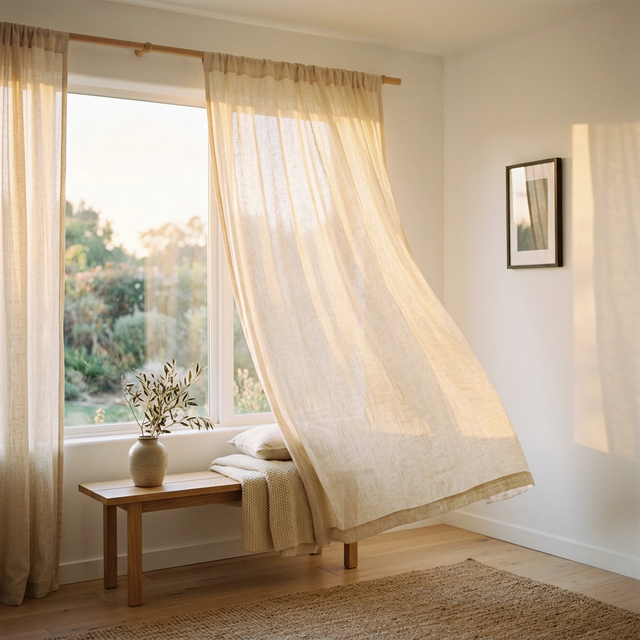
We are creatures of light. Our ancestors rose with the sun and slept when darkness fell. While modern life has disrupted these ancient rhythms, our bodies still crave the natural progression of daylight that guides our internal clocks.
The Science of Sunlight
Natural light does more than help us see. It regulates our circadian rhythms, influences our mood, and even affects our immune function. Studies have shown that people who work in spaces with abundant natural light sleep better, feel more alert during the day, and report higher levels of satisfaction with their environments.
But not all light is equal. The quality, direction, and intensity of daylight change throughout the day, and these variations send different signals to our brains:
- Morning light: Cool and bright, it suppresses melatonin and signals wakefulness
- Midday light: The most intense, supporting focus and productivity
- Evening light: Warm and golden, it prepares the body for rest
Designing for Daylight
The most successful daylighting strategies work with your architecture, not against it. Here are principles I apply in every project:
Maximize Southern Exposure
In the Northern Hemisphere, south-facing windows receive the most consistent light throughout the day. When possible, position living spaces, kitchens, and home offices to take advantage of this orientation.
Layer Your Lighting
No single light source can do everything. A well-designed space includes:
- Ambient light: General illumination from windows and overhead fixtures
- Task light: Focused lighting for specific activities (reading, cooking, working)
- Accent light: Decorative lighting that creates atmosphere and highlights features
Control Without Blocking
The goal is not to flood your space with unfiltered sunlight—that creates glare and overheating. Instead, use:
- Sheer curtains: Filter harsh light while maintaining views
- Adjustable blinds: Tilt to bounce light onto ceilings for soft, indirect illumination
- Light-colored walls: Reflect and distribute daylight deeper into rooms
Morning Rituals: Finding Stillness Before the Day Begins
The first hour after waking is sacred time. How you spend it sets the tone for everything that follows. I recommend creating a “light ritual”—a simple practice that connects you with the natural progression of the day:
- Open curtains immediately: Let the morning light flood in
- Spend 10 minutes near a window: Drink your coffee, meditate, or simply breathe
- Delay checking your phone: Allow your brain to wake naturally
- Move your body gently: Stretch, walk, or practice yoga in natural light
“The quality of your morning light is the quality of your day.”
Small Changes, Large Impact
You don’t need to renovate your entire home to benefit from better daylighting. Start with these simple adjustments:
- Rearrange furniture: Position your desk or reading chair near a window
- Clean your windows: You’d be surprised how much light is lost to grime
- Trim outdoor vegetation: Overgrown trees and shrubs can block valuable light
- Add mirrors: Strategically placed, they can double the apparent daylight in a room
- Choose light colors: Pale walls and ceilings reflect up to 80% of light, versus 10-20% for dark colors
The Windows of Tomorrow
As we look to the future, smart glass technology promises to revolutionize how we interact with daylight. These electrochromic windows can tint automatically in response to sunlight, reducing heat gain and glare without blocking views or requiring manual adjustments.
But technology will never replace the simple pleasure of sunlight on your skin, or the way afternoon light makes dust motes dance like stars. These are the moments that make a house a home.
Natural light is not a luxury—it’s a necessity for human health and happiness. By designing our spaces to embrace rather than fight the sun’s daily journey, we create environments that support our well-being in the most fundamental way possible.