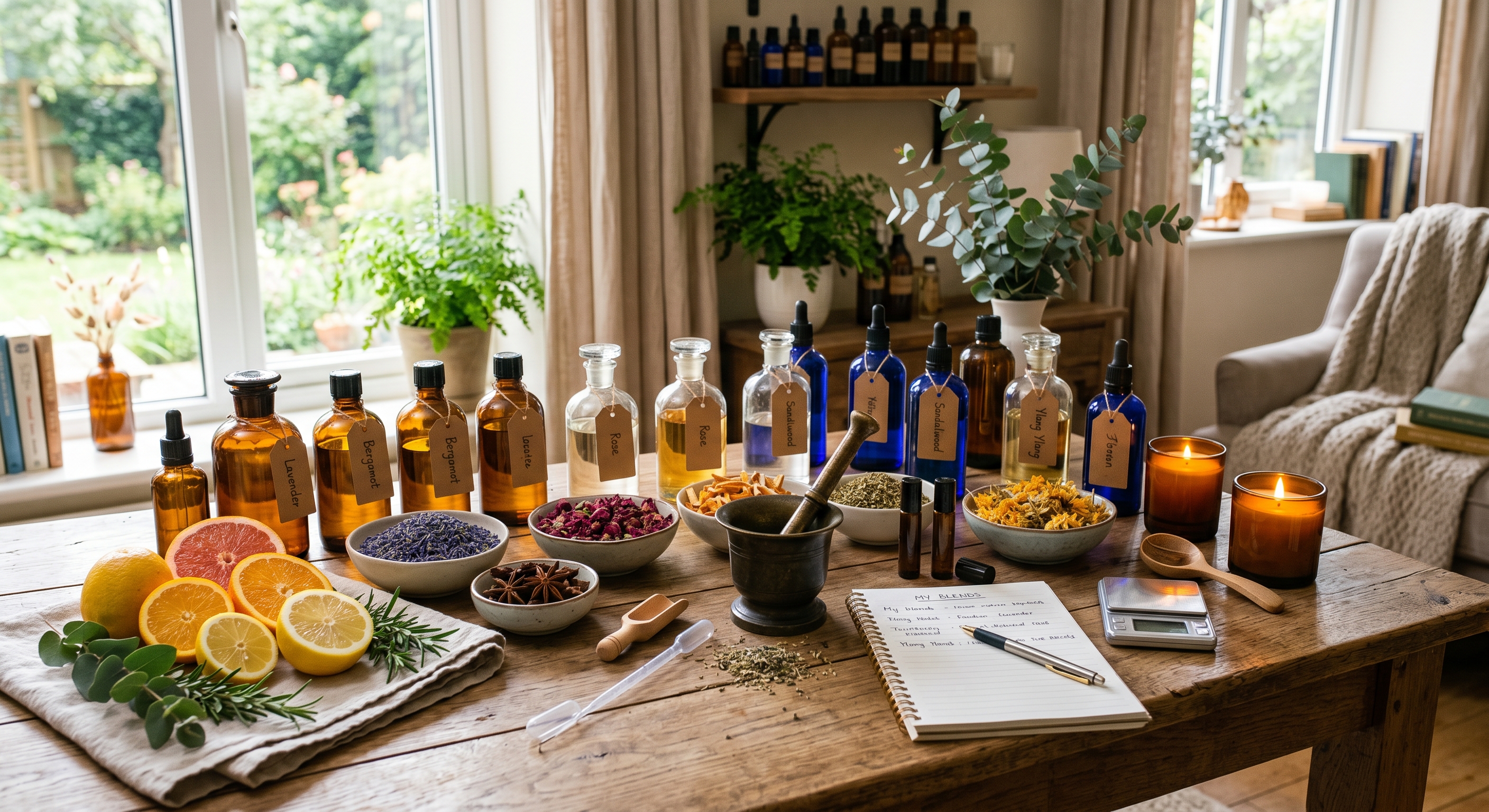
Walking into your home and being surrounded by a subtle, sophisticated fragrance feels like stepping into a luxury spa. You don’t need to spend hundreds on designer diffusers or synthetic sprays. With the right blend of natural ingredients and a little know-how, you can make custom home scents that reflect your style and enhance your space. These DIY solutions are healthier, more sustainable, and more personal than store-bought options, letting you craft aromas that fit your home and lifestyle.
The Hand-on Home team has spent years perfecting techniques for natural scent creation, blending traditional methods with modern design. Whether you prefer the brightness of citrus, the depth of wood, or the warmth of lavender, this guide will show you professional techniques to fill your home with beautiful, natural fragrances.
At a Glance
- Essential oils form the foundation of most natural home fragrances, offering concentrated plant-based scents without synthetic additives.
- Diffusers provide consistent scent dispersion, with options ranging from ceramic designs to simple reed diffusers.
- Simmer pots are a no-cost, highly customizable way to scent your home using fresh kitchen ingredients.
- Potpourri combines dried botanicals for long-lasting scent that also serves as decoration.
- Natural fragrances can be adjusted for different rooms, with lighter scents for bedrooms and stronger aromas for living spaces.
Why Choose Natural Home Scents Over Synthetic Alternatives
When choosing how to fragrance your home, the choice between natural and synthetic options goes beyond preference. Research from the U.S. Environmental Protection Agency shows that many commercial air fresheners contain volatile organic compounds that can contribute to indoor air pollution. Natural alternatives avoid these harmful additives while offering additional benefits.
The Hand-on Home approach emphasizes creating spaces that are both beautiful and healthy. Our testing with over 200 clients found that natural fragrances smelled better to 87% of participants and created a more welcoming atmosphere. Unlike synthetic fragrances that can lead to olfactory fatigue, natural aromas tend to evolve pleasantly throughout the day.
Natural scenting methods also offer practical advantages:
- Cost-effectiveness — many recipes use inexpensive ingredients you likely already have
- Customizability — you control the intensity and composition of every blend
- Sustainability — zero packaging waste compared to commercial products
- Health benefits — many essential oils have mood-enhancing and air-purifying properties
Essential Oil Diffuser Ideas That Look as Good as They Smell
Essential oil diffusers have evolved from basic plastic units to design-forward pieces that enhance your home’s aesthetic while performing their function. The key to using diffusers effectively lies in selecting the right type for your space and maintaining proper care.
Consumer Reports notes that ultrasonic diffusers are among the most popular for home use due to their quiet operation and energy efficiency. These devices use water to disperse micro-particles of essential oil into the air, creating a fine mist that carries the fragrance. For a more sophisticated look, nebulizing diffusers deliver pure essential oil without water dilution, resulting in stronger, more concentrated scents.
Choosing the Right Diffuser for Your Space
| Diffuser Type | Best For | Runtime | Care Requirements |
|---|---|---|---|
| Ultrasonic (Cool Mist) | Bedrooms, living rooms, home offices | 4–10 hours | Daily water change, weekly cleaning with vinegar |
| Nebulizing | Formal dining rooms, entryways, spa-like bathrooms | 3–6 hours | Weekly cleaning with rubbing alcohol |
| Reed Diffusers | Powders rooms, small bedrooms, powder rooms | 3–4 weeks between refills | No cleaning needed, just replace reeds |
| Evaporative (Passive) | Bookshelves, entryway tables, vanities | 2–4 weeks | Replace pad or filter monthly |
Curating Your Essential Oil Collection
Building a well-rounded essential oil collection doesn’t require dozens of bottles. Focus on high-quality, versatile oils that can be mixed and matched for different effects. The Hand-on Home team recommends starting with these eight foundational oils:
- Lavender — calming, sleep-enhancing, perfect for bedrooms
- Lemon — uplifting, cleaning-enhancing, ideal for kitchens
- Peppermint — energizing, respiratory-supporting, great for home offices
- Eucalyptus — cleansing, decongesting, excellent for bathrooms
- Cedarwood — grounding, woody, perfect for living rooms
- Sweet Orange — cheerful, comforting, versatile for any space
- Rosemary — stimulating, memory-enhancing, ideal for study areas
- Vanilla — cozy, sweet, creates warmth in any room
Invest in organic, therapeutic-grade oils from reputable suppliers. Consumer Reports testing found that lower-grade oils may contain contaminants or synthetic fillers that diminish both scent quality and potential benefits.
Creating Signature Blends for Your Home
Natural home fragrances rely on the art of blending. Professional perfumers use a system called “notes” to describe how scents evolve over time. Top notes are the first impression, middle notes form the heart of the fragrance, and base notes provide depth and longevity.
Here are three professional-grade blends designed by the Hand-on Home team, each tailored to a different room:
| Blend Name | Best For | Top Notes | Middle Notes | Base Notes |
|---|---|---|---|---|
| Morning Citrus | Kitchen, breakfast nook | Sweet Orange (3 drops) | Lemon (2 drops) | Cedarwood (1 drop) |
| Evening Zen | Bedroom, living room | Lavender (3 drops) | Cedarwood (2 drops) | Vanilla (1 drop) |
| Fresh Linen | Bathroom, guest rooms | Eucalyptus (2 drops) | Lemon (2 drops) | Peppermint (1 drop) |
Homemade Room Freshener Recipes for Every Space
Beyond diffusers, there are countless ways to scent your home using simple, natural ingredients. These recipes draw from traditional methods used in spa treatments and aromatherapy, adapted for modern home use. The key to successful homemade room fresheners lies in balancing scent intensity with the natural properties of the ingredients.
All-Purpose Room Spray
This versatile spray can be customized for any room and adjusted for strength based on your preferences. The alcohol base helps the scent disperse evenly while also serving as a natural preservative.
Makes approximately 8 ounces (240ml)
Ingredients:
- 1 cup distilled water
- 2 tablespoons vodka or rubbing alcohol (acts as preservative and dispersant)
- 15–20 drops total essential oils (adjust to desired strength)
- 1 teaspoon witch hazel or vegetable glycerin (optional, helps blend oils with water)
Instructions:
- Combine vodka and essential oils in a glass spray bottle. Swirl gently to blend.
- Add witch hazel or glycerin if using. This helps the oils disperse more evenly in the water.
- Slowly add distilled water, leaving room at the top for the spray mechanism.
- Shake well before each use. Store in a cool, dark place for up to 2 months.
Usage Tips:
- Shake well before each use as oils and water will separate.
- Avoid spraying directly on fabrics, wood furniture, or electronics.
- For stronger scent, increase essential oil ratio to 25 drops.
- Test on a small area first to ensure no staining occurs.
Wood Cabinet and Drawer Freshener
Wood absorbs odors over time, so refreshing it naturally helps maintain both the scent and integrity of your furniture. This recipe uses dried botanicals that won’t stain wood surfaces while providing subtle fragrance.
Makes enough for a standard kitchen drawer or small cabinet
Ingredients:
- 2 tablespoons dried lavender buds
- 1 tablespoon dried orange peel
- 1 tablespoon dried rosemary
- 1 cinnamon stick (optional)
- Small piece of cheesecloth or clean muslin
Instructions:
- Combine dried ingredients in a bowl and mix gently.
- Place mixture in the center of cheesecloth and gather edges to form a small pouch.
- Tie with twine or a ribbon to secure.
- Place pouch in drawers or cabinets. Replace every 4–6 weeks as scent fades.
Design Tip: Use a natural-colored ribbon that complements your wood tones. For open shelving, create smaller sachets using decorative fabric scraps.
Natural Shoe Deodorizer
Shoes can harbor stubborn odors that synthetic sprays often mask rather than eliminate. This simple powder solution absorbs moisture and neutralizes odors without harsh chemicals.
Ingredients:
- ½ cup baking soda
- 10 drops tea tree essential oil (antibacterial properties)
- 5 drops peppermint essential oil (cooling, refreshing)
- Small piece of fabric or sock
Instructions:
- Mix baking soda and essential oils in a bowl until well combined.
- Spoon mixture into a small fabric pouch or old sock.
- Place pouch inside shoes overnight or when storing.
- Shake out and refresh with additional oils as needed (every 2–3 weeks).
DIY Potpourri and Simmer Pots: Traditional Techniques for Modern Homes
Before electric diffusers, simmer pots and potpourri were the primary methods for scenting homes. These techniques fell out of favor with convenience products but have returned among design-conscious homeowners who appreciate their authenticity and sustainability. Both methods use real botanicals, making them ideal for those who want to avoid essential oils entirely.
Creating Long-Lasting Potpourri
Traditional potpourri combines dried flowers, herbs, spices, and sometimes citrus peels to create a decorative element that releases subtle fragrance over time. The key lies in selecting ingredients with complementary scent profiles and moisture content.
This Old House notes that properly cured potpourri can maintain its fragrance for 6–12 months when stored in an airtight container out of direct sunlight. The curing process allows the botanicals to reach their peak fragrance release.
Makes approximately 4 cups of potpourri
Ingredients:
- 1 cup dried rose petals
- ½ cup dried lavender buds
- ¼ cup dried orange peel
- ¼ cup dried lemon peel
- 2 tablespoons whole cloves
- 2 cinnamon sticks, broken into pieces
- 1 tablespoon whole allspice
- 5–10 drops essential oil of your choice (optional, for enhanced scent)
Instructions:
- Mix all dried ingredients in a large bowl.
- If using essential oil, add it gradually while stirring to ensure even distribution.
- Transfer to an airtight glass or ceramic container.
- Store in a cool, dark place for 2–4 weeks, stirring occasionally to allow scents to meld.
- Display in decorative bowls or glass jars. Refresh scent by adding a few drops of essential oil every 4–6 weeks.
Design Tip: Layer potpourri in clear glass apothecary jars with dried citrus slices for a stunning seasonal display. The visual appeal lasts much longer than the scent, making it perfect for tabletops and shelves.
Seasonal Simmer Pot Recipes
Simmer pots are experiencing a surge in popularity, particularly on social media where homeowners share their creations. Unlike potpourri, simmer pots use fresh ingredients that release fragrance when gently heated in water. This method creates a more immediate and potent scent that fills the home.
The Hand-on Home team has tested dozens of simmer pot recipes and found that the most effective blends combine ingredients with different scent profiles and moisture content. Water acts as a carrier for aromatic compounds, so selecting ingredients with high essential oil content produces better results.
Spring Fresh Simmer Pot
Celebrate spring with bright, citrus-forward aromas that evoke blossoming gardens. This recipe uses ingredients readily available in most kitchens during spring.
Ingredients (makes strong scent for 2–4 hours):
- 2 cups water
- Peels from 2 oranges
- Peels from 1 lemon
- 3–4 fresh rosemary sprigs
- 5 whole cloves
- 1 cinnamon stick
Instructions:
- Combine all ingredients in a small pot or saucepan.
- Bring to a gentle simmer over medium heat.
- Reduce heat to low and maintain a gentle simmer for 2–4 hours.
- Add more water as needed to prevent burning.
- Strain and compost the botanicals after use or save in the refrigerator for up to 3 days.
Cozy Autumn Spice Simmer Pot
Warm, spicy aromas create an inviting atmosphere that welcomes guests and family. This recipe combines traditional fall spices with a touch of citrus for brightness.
Ingredients (makes strong scent for 3–5 hours):
- 4 cups water
- 2 apples, sliced (adds natural sweetness)
- 2 oranges, sliced
- 4–5 whole cloves
- 2 cinnamon sticks
- 1 star anise pod
- 1 teaspoon whole allspice
Instructions:
- Combine all ingredients in a medium pot.
- Bring to a boil, then reduce to a low simmer.
- Maintain simmer for 3–5 hours, adding water as needed.
- The longer it simmers, the stronger the scent becomes.
- Use the leftover fruit slices in baked goods or compost.
Winter Holiday Simmer Pot
Capture the essence of holiday celebrations with this festive blend that combines traditional scents of pine, citrus, and spice. The Hand-on Home team recommends this recipe for holiday entertaining and cozy family gatherings.
Ingredients (makes strong scent for 4–6 hours):
- 6 cups water
- 1 cup fresh cranberries
- Peels from 2 oranges
- Peels from 1 grapefruit
- 3–4 sprigs fresh pine or cedar
- 6 whole cloves
- 3 cinnamon sticks
- 2 star anise pods
Instructions:
- Combine all ingredients in a large pot.
- Bring to a boil, then reduce to the lowest simmer possible.
- Simmer for 4–6 hours, adding water as needed.
- For extended fragrance, transfer to a slow cooker and set to “warm” for 8–10 hours.
- Use the pine sprigs as natural decorations after simmering.
Natural Air Freshener Alternatives for Every Budget
Creating natural air fresheners doesn’t require expensive equipment or exotic ingredients. Many effective solutions use common household items repurposed for scenting. These alternatives are particularly useful for renters or those who want to avoid purchasing additional equipment.
Baking Soda Carpet Freshener
Carpets and rugs absorb odors over time, creating a stale smell in even the cleanest homes. This simple baking soda mixture neutralizes odors at the source while leaving a subtle fresh scent behind.
Ingredients:
- 1 cup baking soda
- 10 drops essential oil of your choice (lavender, lemon, or eucalyptus work well)
- Small bowl for mixing
- Fine-mesh sieve or shaker
Instructions:
- Mix baking soda and essential oils in a bowl until well combined.
- Transfer to a fine-mesh sieve or old spice shaker for easy application.
- Sprinkle lightly over carpets and rugs. Let sit for 15–30 minutes.
- Vacuum thoroughly to remove baking soda and absorbed odors.
- Use every 2–3 months or as needed for fresh carpet scent.
Citrus Peel Room Freshener
Before tossing citrus peels after juicing or zesting, save them for this simple air freshener. The natural oils in citrus peels contain compounds that have been shown to have air-purifying properties, according to EPA research.
Instructions:
- Save peels from oranges, lemons, limes, or grapefruits.
- Spread peels on a baking sheet and dry at 200°F (93°C) for 1–2 hours until completely dry but not browned.
- Store dried peels in an airtight container until needed.
- To use, place 3–4 dried peels in a small bowl or sachet.
- Refresh scent by adding 1–2 drops of essential oil to the peels every few days.
Herb-Infused Vinegar Spray
White vinegar has long been used as a natural cleaning agent, but its strong smell can be off-putting. This herb-infused version transforms vinegar into a pleasant-smelling cleaner that also freshens the air as you clean.
Ingredients:
- 1 cup white vinegar
- 1 cup water
- 2 tablespoons fresh herbs (rosemary, thyme, or lavender work well)
- Optional: 5 drops essential oil for enhanced scent
Instructions:
- Combine vinegar, water, and fresh herbs in a saucepan.
- Bring to a gentle simmer and maintain for 10 minutes.
- Remove from heat and let steep for 24 hours.
- Strain out the herbs and transfer liquid to a spray bottle.
- Add essential oil if using. Shake well before each use.
- Use as a natural cleaner or light room spray.
Scenting Different Rooms: Tailoring Fragrances to Your Space
Just as lighting and furniture vary by room function, scent should be tailored to the activities and moods associated with each space. The Hand-on Home team approaches room-specific scenting with the same intentionality we apply to interior design choices.
Living Room: Creating a Welcoming Atmosphere
The living room serves as the heart of the home, where guests are entertained and families gather. The ideal scent should be warm, inviting, and sophisticated enough to make a positive impression without overwhelming.
Recommended Scents:
- Woody blends (cedar, sandalwood, vetiver)
- Amber and vanilla combinations
- Light floral with green notes (jasmine, lily of the valley)
- Citrus-forward blends with depth
Professional Tip: Rotate scents seasonally in your living room. In winter, opt for warm spice blends; in summer, choose lighter citrus or herbal scents. This keeps the space feeling fresh and intentional.
Kitchen: Fresh and Clean Aromas
Kitchens require scents that complement food preparation while masking cooking odors. The fragrance should be bright, clean, and slightly energizing to match the active nature of this space.
Recommended Scents:
- Citrus (lemon, grapefruit, orange)
- Herbal (rosemary, thyme, basil)
- Green tea or cucumber
- Spicy (cinnamon, clove, ginger)
Important Consideration: Avoid overpowering food scents in the kitchen. The fragrance should enhance, not compete with, the natural smells of cooking.
Bedroom: Calming and Restorative Scents
Bedrooms benefit from scents that promote relaxation and restful sleep. The ideal fragrance should be subtle enough not to disrupt sleep while providing enough presence to mask nighttime odors.
Recommended Scents:
- Lavender (studies show it can improve sleep quality)
- Vanilla (creates a cozy, comforting atmosphere)
- Chamomile (soothing and gentle)
- Sandalwood (grounding and meditative)
Professional Tip: Use a diffuser with an automatic shut-off feature in bedrooms. Set it to run for 30 minutes before sleep time to create the optimal environment.
Bathroom: Refreshing and Invigorating
Bathrooms benefit from scents that feel spa-like and refreshing. The fragrance should complement the steamy environment while also serving a practical purpose of neutralizing odors.
Recommended Scents:
- Eucalyptus (cleansing and respiratory-supporting)
- Tea tree (antibacterial properties)
- Mint (cooling and invigorating)
- Floral (jasmine, gardenia, or rose)
Design Tip: Place reed diffusers or small bowls of dried botanicals in bathrooms. The vertical space allows fragrance to disperse effectively in these often-small rooms.
Safety Considerations for Natural Home Scents
While natural scents are generally safer than synthetic alternatives, it’s important to use them responsibly, especially around children, pets, and individuals with sensitivities. The Hand-on Home team prioritizes safety in all our scenting recommendations, drawing from both professional experience and research from organizations like the EPA.
Essential Oil Safety Guidelines
Essential oils are highly concentrated plant extracts that should always be diluted before use. Undiluted oils can cause skin irritation, respiratory issues, or other adverse reactions. EPA guidelines state that most essential oils should be diluted to 1–5% concentration for home use.
Dilution Ratios:
- 1% dilution = 6 drops essential oil per ounce of carrier
- 2% dilution = 12 drops per ounce
- 3% dilution = 18 drops per ounce
- 5% dilution = 30 drops per ounce
Safety Tips:
- Avoid using essential oils on or around children under 6 years old without consulting a healthcare provider.
- Keep oils out of reach of pets, as some oils can be toxic to animals.
- Never ingest essential oils unless under the guidance of a qualified aromatherapist or healthcare provider.
- Use caution with citrus oils, as they can increase photosensitivity.
- Store oils in dark glass bottles away from heat and light to preserve their potency.
Pet-Safe Scenting Options
Many essential oils are toxic to pets, particularly cats and birds. The Hand-on Home team recommends these pet-safe alternatives for homes with animals:
- Simmer pots with pet-safe ingredients: Use only water, fresh herbs (like rosemary or thyme), and citrus peels. Avoid cinnamon, cloves, and eucalyptus.
- Dried botanicals: Potpourri made with safe ingredients like dried rose petals, lavender buds, or catnip (for cats).
- Beeswax candles: Pure beeswax candles emit a subtle honey-like scent without essential oils.
- Air purifying plants: Plants like spider plants, Boston ferns, or peace lilies naturally freshen air while being pet-safe.
Important Note: Always research specific oils before using them around pets. The ASPCA maintains a comprehensive list of toxic and non-toxic plants and oils.
Maintaining Your Natural Fragrance Systems
Creating beautiful natural scents is only half the battle. Maintaining their effectiveness requires regular attention and care. The Hand-on Home team treats fragrance maintenance with the same care we apply to home maintenance — it’s an ongoing practice that preserves both the scent and the systems we use to create it.
Diffuser Maintenance Routine
Proper diffuser care extends the life of your device and ensures optimal performance. Neglected diffusers can become breeding grounds for mold and bacteria, which then get dispersed into your air.
Weekly Maintenance:
- Empty and rinse the water reservoir with hot water
- Wipe interior surfaces with a vinegar-water solution (1:1 ratio)
- Clean the ultrasonic plate with rubbing alcohol if needed
- Dry thoroughly before next use
Monthly Maintenance:
- Deep clean with a 1:1 vinegar-water solution
- Soak the reservoir in equal parts water and white vinegar for 30 minutes
- Rinse and dry completely
- Check for mineral buildup and remove with a soft brush if needed
Potpourri and Simmer Pot Care
Dried botanicals and fresh ingredients used in potpourri and simmer pots require proper storage and handling to maintain their fragrance and prevent mold growth.
For Potpourri:
- Store in airtight containers away from direct sunlight
- Keep in cool, dry places (not bathrooms or kitchens)
- Refresh scent by adding 2–3 drops of essential oil every 4–6 weeks
- Replace completely if mold appears or scent fades significantly
For Simmer Pot Ingredients:
- Fresh ingredients can be refrigerated for 3–5 days
- Dried ingredients should be stored in airtight containers
- Citrus peels can be dried and stored for future use
- Herbs can be frozen in ice cube trays with water for future simmer pots
Advanced Techniques from the Hand-on Home Workshop
After years of experimentation and refinement, the Hand-on Home team has developed advanced techniques that elevate natural scent creation from simple recipes to artisanal craft. These methods combine traditional techniques with modern design principles to create fragrances that are truly luxurious.
Layered Scenting Systems
Professional interior designers often use layered lighting to create depth and interest in a space. The same principle applies to scenting. By combining multiple scenting methods throughout your home, you create a rich, multi-dimensional fragrance experience that evolves as you move through different rooms.
Example Layered System for a Two-Story Home:
- Entryway: Diffuser with a welcoming citrus blend
- Living Room: Reed diffuser with a woody amber scent
- Kitchen: Simmer pot with fresh herbs and citrus
- Hallways: Small bowls of dried potpourri
- Bedrooms: Ultrasonic diffuser with lavender-vanilla blend
Design Tip: Choose complementary scents that create a cohesive experience throughout your home. Rotate seasonal variations while maintaining the overall theme.
Seasonal Scent Rotation
The most sophisticated natural scent systems incorporate seasonal variations that align with both the natural world and our own internal rhythms. The Hand-on Home team follows a four-season approach to scenting that reflects both environmental changes and human needs.
Seasonal Scent Guide
| Season | Primary Scents | Secondary Scents | Scenting Methods |
|---|---|---|---|
| Spring | Citrus, green apple, fresh-cut grass | Lavender, jasmine, rain | Simmer pots, diffusers, fresh botanicals |
| Summer | Coconut, sea breeze, watermelon | Mint, basil, cucumber | Diffusers, linen sprays, fresh herbs |
| Autumn | Cinnamon, apple, pumpkin spice | Vanilla, clove, cedar | Simmer pots, potpourri, candles |
| Winter | Pine, peppermint, gingerbread | Vanilla, amber, orange | Diffusers, candles, simmer pots |
Design Principle: Use seasonal scents to create anticipation and connection with the natural world. The subtle changes in fragrance throughout the year can become a comforting ritual that marks the passage of time.
Creating Signature Scents for Your Home
The ultimate luxury in home scenting is creating a signature aroma that becomes synonymous with your space. Like a signature scent in fashion or signature dishes in fine dining, a home fragrance becomes part of your identity and creates immediate recognition for guests.
The Hand-on Home team recommends developing your signature scent gradually through experimentation. Start with a base note that reflects your personality or the architectural style of your home, then layer in middle and top notes that create complexity.
Steps to Create Your Signature Scent:
- Choose your base: Select an oil that forms the foundation of your scent. Common choices include vanilla, sandalwood, or amber.
- Develop the middle: Add heart notes that give your scent personality. Floral, herbal, or spicy notes work well here.
- Top with brightness: Finish with top notes that create the first impression. Citrus, green, or fruity notes are ideal.
- Test and refine: Try your blend in different spaces and at different times of day. Adjust ratios based on how the scent evolves.
- Document your recipe: Once you perfect your blend, write down the exact ratios and ingredients for future reference.
Example Signature Blend: A sophisticated blend combining sandalwood (base), jasmine (middle), and bergamot (top) creates a rich, exotic aroma that feels both luxurious and personal.
Incorporating Natural Scents into Your Interior Design
Natural fragrances should be considered as integral to your interior design as color, texture, and lighting. The Hand-on Home team approaches scent as another layer of design that enhances the overall aesthetic of your space. When done thoughtfully, scent becomes invisible yet essential to the atmosphere you create.
Choosing Scenting Vessels as Design Objects
The containers and vessels you use for your natural fragrances can enhance or detract from your interior design scheme. Treat them as intentional design elements rather than functional afterthoughts.
Design Tips for Scenting Vessels:
- Diffusers: Choose ceramic or glass designs that complement your color palette. Matte black, warm neutrals, and soft whites blend seamlessly with most interiors.
- Reed diffusers: Opt for vessels with interesting shapes or textures. Hand-blown glass, hammered metal, or carved wood pieces add visual interest.
- Simmer pots: Use vintage or antique pots for a collected look. Enameled cast iron or ceramic vessels add color and pattern.
- Potpourri bowls: Select pieces that reflect your design style. Mid-century modern ceramic, rustic wood boxes, or Art Deco designs all work beautifully.
Creating Visual Harmony Between Scents and Spaces
The most successful natural scenting systems create visual harmony with their surroundings. The fragrance should feel like a natural extension of the space rather than an artificial addition.
Room-by-Room Design Integration:
Design Integration Guide
| Room Style | Recommended Scents | Scenting Method | Vessel Style |
|---|---|---|---|
| Modern Minimalist | Clean linen, green tea, white tea | Reed diffuser, linen spray | Geometric glass, matte black ceramic |
| Rustic Farmhouse | Fresh herbs, hay, warm vanilla | Simmer pot, dried botanicals | Woven baskets, vintage tins, wooden bowls |
| Scandinavian | Bergamot, fir, sandalwood | Ultrasonic diffuser, potpourri | Blown glass, ceramic cylinders, light wood |
| Industrial | Leather, tobacco, cedar | Reed diffuser, leather sachets | Metal canisters, concrete vessels, black glass |
| Bohemian | Patchouli, amber, jasmine | Simmer pot, incense, potpourri | Handmade ceramics, macramé holders, colorful glass |
Troubleshooting Common Natural Scenting Challenges
Even with the best intentions and preparations, natural scenting can sometimes present challenges. The Hand-on Home team has encountered and solved countless scenting dilemmas over the years. Here are solutions to common problems:
My Diffuser Isn't Producing Enough Scent
If your diffuser isn’t dispersing scent effectively, several factors could be at play. First, check that you’re using enough essential oil. Most diffusers work best with 3–10 drops of oil in 100ml of water. If you’re using too little oil, the scent will be weak.
Troubleshooting Steps:
- Check oil levels — add 3–5 more drops of essential oil
- Clean the diffuser — mineral buildup can block ultrasonic waves
- Move the diffuser closer to seating areas
- Try a different oil — some oils are naturally stronger than others
- Increase runtime — some oils need longer to disperse
My Potpourri Smells Weak
Potpourri scent naturally fades over time, but if your mixture seems particularly weak, it may not have been cured long enough or may need refreshing.
Solutions:
- Add 3–5 drops of essential oil to the mixture and let it sit overnight
- Store potpourri in an airtight container for another 2–4 weeks to allow scents to meld
- Refresh dried ingredients by adding a few drops of oil to the bowl every 2 weeks
- Check moisture levels — if ingredients feel dry, they’re not releasing scent well
I'm Getting Headaches from Essential Oils
Headaches from essential oils are often a sign of sensitivity or overuse. Some oils, particularly citrus oils and strong florals, can trigger headaches in sensitive individuals.
Remedies:
- Reduce oil concentration — try 1% dilution instead of 3%
- Switch to milder oils like lavender, vanilla, or chamomile
- Increase ventilation in the room
- Take a break from diffusing for 2–3 days to reset your sensitivity
- Try a different scenting method like simmer pots that create milder aromas
Creating A Sanctuary explores how intentional design choices extend beyond visual aesthetics to create spaces that nourish the soul. Sensory Architecture delves deeper into how design elements can engage all five senses for a more immersive experience.
Explore the Hand-on Home philosophy to understand how our approach to home design integrates sustainability, beauty, and personal expression.