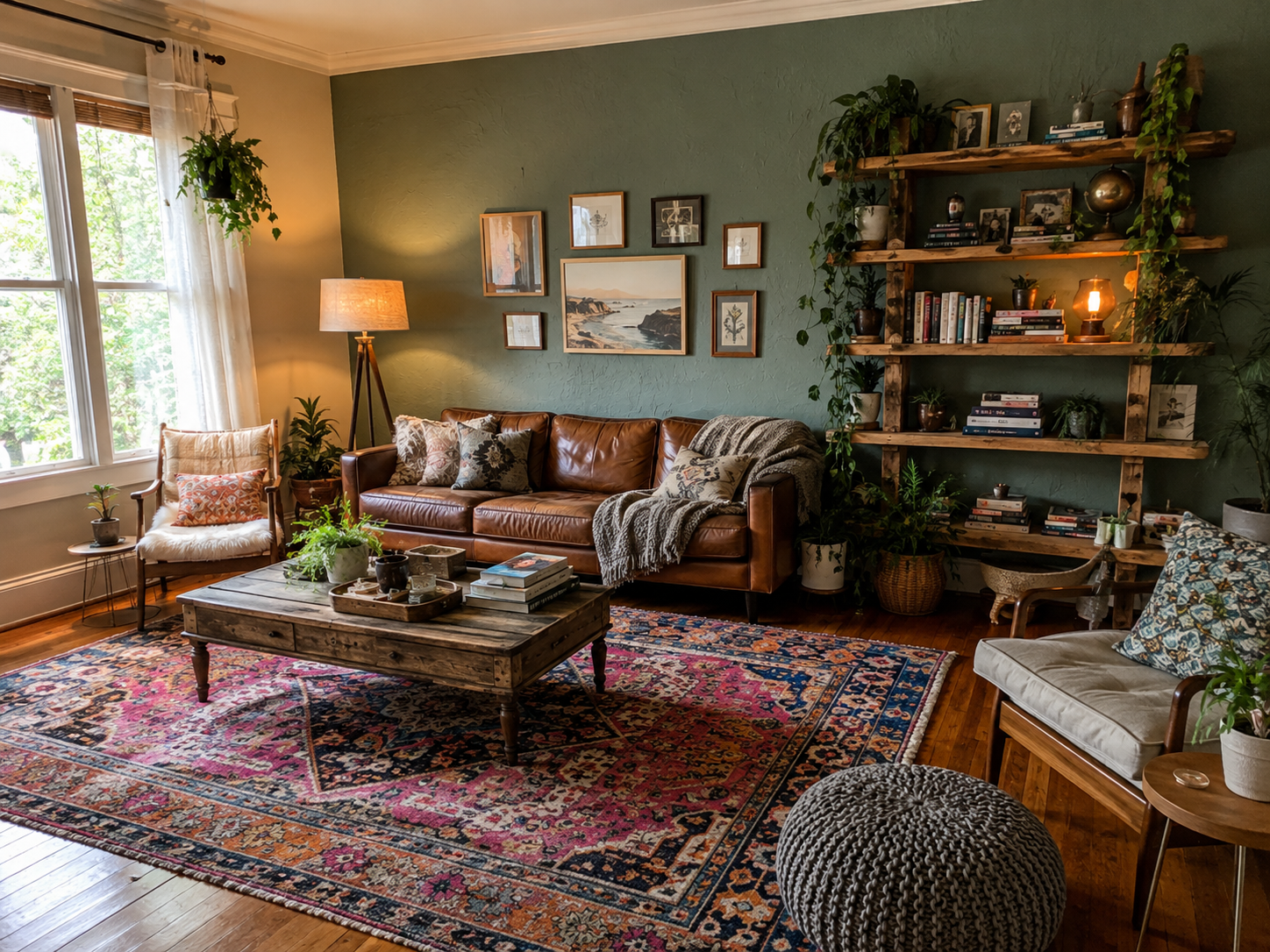
<p>Decorating your home doesn’t require an interior designer’s budget or years of experience—just the right approach and a willingness to experiment. <strong>Do it yourself home decorating</strong> lets homeowners create spaces that reflect their personal style while staying within budget and honoring their values.</p>

<p>At The Hands-on Home, we believe thoughtful DIY projects can transform a room. Whether you're refreshing a single wall or overhauling an entire space, the key is understanding design principles, selecting quality materials, and approaching each project with confidence. This guide shares strategies to help you decorate without hiring a designer.</p>

<hr>

<h2>At a Glance</h2>

<ul>
<li><strong>Core Idea:</strong> DIY home decorating puts creative control in your hands. You choose colors, textures, and layouts that match your lifestyle and aesthetic.</li>
<li><strong>Budget-Friendly:</strong> With careful planning, you can achieve results similar to professional work for a fraction of the cost.</li>
<li><strong>Quality Matters:</strong> Choose durable, sustainable materials that last, aligning with both your style and values.</li>
<li><strong>Start Small:</strong> Begin with one room or even a single statement piece to build confidence and avoid overwhelm.</li>
<li><strong>Design Principles:</strong> Learn how to use color, scale, and lighting to create harmony and balance in any space.</li>
</ul>

<hr>

<h2>Why DIY Home Decorating Works for Today’s Homeowner</h2>

<p>In 2025, more than 68% of homeowners reported taking on at least one DIY home improvement project, according to a survey by <a href="https://www.remodeling.hw.net" rel="nofollow">Remodeling Magazine</a>. Social media platforms like Pinterest and Instagram have made design inspiration and tutorials widely accessible. Beyond trends, DIY decorating offers real benefits:</p>

<ul>
<li><strong>Personalization:</strong> You curate every detail to reflect your taste, from the art on your walls to the furniture arrangement that suits your daily routine.</li>
<li><strong>Cost Savings:</strong> Professional interior design services can cost upwards of $150 per hour. A well-planned DIY project may require only your time and modest materials.</li>
<li><strong>Sustainability:</strong> Selecting secondhand furniture, upcycling materials, or choosing eco-friendly products reduces waste and supports a circular economy.</li>
<li><strong>Skill Building:</strong> Each project teaches new techniques—whether refinishing wood, mixing paint colors, or arranging a gallery wall—making future projects easier and more enjoyable.</li>
</ul>

<p>Successful DIY decorators combine creativity with strategy. They research materials, test colors in different lighting, and allow room to refine their vision as they go.</p>

<hr>

<h2>How to Decorate Like a Designer: Core Principles for DIY Success</h2>

<p>Designers follow principles that create balance, harmony, and visual interest. Here’s how to apply those same strategies to your DIY projects:</p>

<h3>1. Start with a Clear Vision</h3>

<p>Before buying anything, define the mood you want. Ask yourself: Should the room feel cozy and inviting, sleek and modern, or airy and minimalist? Write down your goals and gather inspiration from magazines, design blogs, or platforms like Houzz.</p>

<p>For example, a Scandinavian-inspired living room calls for light woods, neutral tones, and uncluttered spaces. A bohemian bedroom might include layered textiles, rich textures, and global-inspired patterns.</p>

<p>Tip: Create a mood board using a tool like Canva or Pinterest to visualize your ideas. This helps spot inconsistencies early and refine your vision before buying materials.</p>

<h3>2. Master Scale and Proportion</h3>

<p>Scale refers to the size of objects in relation to the room. Proportion is how those objects relate to one another. A common mistake in DIY decorating is selecting furniture or decor that’s either too large or too small for the space.</p>

<p>Use the golden ratio—approximately 1:1.61—to guide your arrangements. For instance, if your sofa is 8 feet long, your coffee table should be about 5 feet long to maintain visual balance. When hanging artwork, place the center of each piece at eye level, typically 57 to 60 inches from the floor.</p>

<p>Check your work by standing in the doorway. Does everything feel too crowded or too sparse? Adjust before committing to a layout.</p>

<h3>3. Use Color to Set the Tone</h3>

<p>Color transforms a room’s ambiance. Warm tones like reds, oranges, and yellows create energy and intimacy. Cool tones like blues and greens evoke calm and serenity. Neutrals—beige, gray, white—serve as a backdrop for bolder accents and stay flexible over time.</p>

<p>When choosing a palette, follow the 60-30-10 rule:</p>

<ul>
<li><strong>60% dominant color:</strong> Use this for walls, large furniture, or flooring.</li>
<li><strong>30% secondary color:</strong> Apply this to upholstery, curtains, or rugs.</li>
<li><strong>10% accent color:</strong> Use this for throw pillows, artwork, or decorative objects to add personality.</li>
</ul>

<p>Always test paint colors in the room’s natural light before committing. A hue that looks perfect in a store may appear different at home.</p>

<h4>Quick Color Mixing Guide for DIY Paint Projects</h4>

<table>
<thead>
<tr>
<th>Desired Color</th>
<th>Base Paint</th>
<th>Additive Colors</th>
</tr>
</thead>
<tbody>
<tr>
<td>Soft Sage Green</td>
<td>White</td>
<td>Small amounts of blue + yellow</td>
</tr>
<tr>
<td>Dusty Rose</td>
<td>White</td>
<td>Small amounts of red + a touch of brown</td>
</tr>
<tr>
<td>Warm Gray</td>
<td>White</td>
<td>Small amounts of black + beige or taupe</td>
</tr>
<tr>
<td>Golden Ochre</td>
<td>Beige</td>
<td>Small amounts of yellow + red</td>
</tr>
</tbody>
</table>

<p>For more on color theory, see our guide: <a href="https://thehandsonhome.com/journal/how-to-maximize-natural-light-in-your-home-a-designer-s-guide/">How To Maximize Natural Light In Your Home: A Designer’s Guide</a>.</p>

<h3>4. Layer Lighting for Depth and Function</h3>

<p>Lighting is often overlooked in DIY projects, but it’s one of the most important elements. Layered lighting combines ambient, task, and accent lighting to create a warm, functional space.</p>

<ul>
<li><strong>Ambient lighting:</strong> The foundation of your lighting plan, providing overall illumination. Think ceiling fixtures, chandeliers, or recessed lighting.</li>
<li><strong>Task lighting:</strong> Focused light for specific activities, such as reading lamps, under-cabinet lighting, or desk lamps.</li>
<li><strong>Accent lighting:</strong> Highlights architectural features or decor. Use wall sconces, LED strips, or directional spotlights to draw attention to artwork or textured walls.</li>
</ul>

<p>In a living room, pair a statement pendant light with floor lamps and small table lamps on side tables. Dimmers let you adjust the mood from bright and energetic to soft and intimate.</p>

<p>Tip: Choose light bulbs with a color rendering index (CRI) of 90 or above to ensure colors appear true and vibrant. Look for the <a href="https://www.energystar.gov" rel="nofollow">ENERGY STAR</a> label for energy-efficient options.</p>

<h3>5. Edit Ruthlessly—and Embrace Negative Space</h3>

<p>Designers know that the most stylish rooms often have less stuff in them. Negative space—the empty areas around and between objects—lets the eye breathe and allows your favorite pieces to stand out.</p>

<p>Before adding another decorative object to a shelf or table, ask: Does this serve a purpose or spark joy? If not, consider donating it or storing it for later. Minimalism doesn’t mean stark or cold—it means intentional.</p>

<p>For example, a sleek console table in an entryway might feature only a few curated items: a small vase, a stack of books, and a single piece of art. The result is elegant and uncluttered.</p>

<hr>

<h2>Decorating Your Home on a Budget: Smart Strategies That Work</h2>

<p>Budget constraints shouldn’t limit your creativity. With the right strategies, you can achieve a high-end look without overspending. Here’s how to decorate on a budget without compromising style:</p>

<h3>1. Shop Secondhand and Vintage</h3>

<p>Thrift stores, estate sales, and online marketplaces like Chairish and 1stDibs offer unique, high-quality pieces at low prices. Look for solid wood furniture, vintage mirrors, and ceramic vases that can be refinished or repurposed.</p>

<p>Tip: Always inspect secondhand items for structural integrity. Check for wobbly legs, loose joints, or water damage. A few hours of refinishing can turn a worn-out dresser into a statement piece.</p>

<h3>2. DIY Your Own Artwork</h3>

<p>Art doesn’t need a designer price tag. Create your own gallery wall using:</p>

<ul>
<li><strong>Abstract paintings:</strong> Use canvas panels and acrylic paints to experiment with brushstrokes or geometric patterns.</li>
<li><strong>Photography:</strong> Print your favorite photos or travel snapshots in black-and-white for a timeless look.</li>
<li><strong>Mixed media:</strong> Combine fabric, paper, or found objects into collages or shadow boxes.</li>
<li><strong>Wall murals:</strong> Use removable wallpaper or painter’s tape to create geometric designs or faux textures.</li>
</ul>

<p>For inspiration, see our guide: <a href="https://thehandsonhome.com/journal/diy-natural-home-scents-create-luxury-fragrances-like-a-pro/">DIY Natural Home Scents: Create Luxury Fragrances Like a Pro</a>, which also covers creative expression through sensory design.</p>

<h3>3. Upcycle and Repurpose Existing Items</h3>

<p>Before buying new, look around your home for items that can be transformed. An old ladder can become a blanket rack. Wooden crates can be stacked into shelves. Glass jars can be painted and used for storage.</p>

<p>Example: Turn a pallet into a coffee table by sanding it down, staining it, and adding wheels for mobility. Or repaint an outdated bookshelf in a bold color to give it a modern look.</p>

<h3>4. Use Paint Creatively</h3>

<p>Paint is one of the most affordable and impactful tools in a DIY decorator’s toolkit. Beyond walls, consider:</p>

<ul>
<li><strong>Accent walls:</strong> Paint one wall in a bold color or pattern to create a focal point.</li>
<li><strong>Ceilings:</strong> Don’t ignore the “fifth wall.” A fresh coat of paint or subtle texture can add depth.</li>
<li><strong>Furniture:</strong> Give an old dresser new life with chalk paint or a two-tone finish.</li>
<li><strong>Doors and trim:</strong> A crisp white or bold hue can elevate a room instantly.</li>
</ul>

<p>For step-by-step guidance, see our <a href="https://thehandsonhome.com/budget-friendly-home-decorating-ideas">Budget-Friendly Home Decorating Ideas That Don’t Compromise on Style</a>.</p>

<h3>5. Focus on High-Impact, Low-Cost Swaps</h3>

<p>Small changes make a big difference. Swap out:</p>

<ul>
<li><strong>Hardware:</strong> Replace old cabinet knobs and drawer pulls with modern or vintage-inspired options.</li>
<li><strong>Light fixtures:</strong> Update a builder-grade ceiling light with a statement pendant or sconce.</li>
<li><strong>Window treatments:</strong> Swap heavy drapes for sheer curtains or Roman shades to let in more light.</li>
<li><strong>Throw pillows and blankets:</strong> Add texture and color with affordable textiles.</li>
</ul>

<p>These swaps cost under $50 each but can refresh a room’s look dramatically.</p>

<hr>

<h2>DIY Home Styling Ideas: From Entryway to Outdoor Oasis</h2>

<p>Every room in your home offers a chance for creative expression. Here are budget-friendly DIY projects tailored to different spaces:</p>

<h3>Entryway: First Impressions Matter</h3>

<p>The entryway sets the tone for your home. Create a welcoming space with:</p>

<ul>
<li><strong>DIY Boot Tray:</strong> Use a wooden tray or a repurposed baking sheet lined with a towel to catch dirt and shoes.</li>
<li><strong>Wall Hooks:</strong> Install stylish hooks for coats and bags. Choose wrought iron, brass, or wood for different aesthetics.</li>
<li><strong>Mirror with Storage:</strong> Hang a large mirror above a console table to reflect light and create the illusion of space. Store umbrellas or keys in a basket below.</li>
<li><strong>Personalized Doormat:</strong> Use stencils and outdoor paint to create a custom design.</li>
</ul>

<p>For inspiration, see our guide to <a href="https://thehandsonhome.com/journal/how-to-create-a-hygge-home-design-principles-for-cozy-luxury-living/">creating a hygge home</a>, which emphasizes cozy, functional entryways.</p>

<h3>Living Room: The Heart of the Home</h3>

<p>The living room is where you relax and entertain. Make it inviting with:</p>

<ul>
<li><strong>Gallery Wall:</strong> Mix frames, art, and mirrors in varying sizes and styles. Use painter’s tape to plan the layout before hanging.</li>
<li><strong>Floating Shelves:</strong> Install shelves to display books, plants, and decorative objects. Paint them a contrasting color for added impact.</li>
<li><strong>DIY Coffee Table:</strong> Build one from reclaimed wood or use a vintage suitcase stacked with books as a base.</li>
<li><strong>Textile Layering:</strong> Add throw pillows, blankets, and an area rug to define the space and add warmth.</li>
</ul>

<p>Tip: Choose a rug large enough for all furniture legs to sit on—this anchors the seating area and creates a cohesive look.</p>

<h3>Kitchen: Functional and Beautiful</h3>

<p>Even small kitchens can feel luxurious with thoughtful upgrades:</p>

<ul>
<li><strong>Open Shelving:</strong> Remove cabinet doors and paint the interior a bold color. Display dishes, glassware, and cookbooks for a curated look.</li>
<li><strong>DIY Backsplash:</strong> Use peel-and-stick tiles or paint a pattern on a plain wall for an affordable update.</li>
<li><strong>Chalkboard or Magnetic Paint:</strong> Turn a section of wall into a message board or display for notes and photos.</li>
<li><strong>Plant Stands:</strong> Elevate herbs or succulents on DIY wooden crates or metal piping for a touch of greenery.</li>
</ul>

<p>For eco-conscious homeowners, consider sustainable materials like <a href="https://thehandsonhome.com/sustainable-interior-design-materials-eco-chic-guide">reclaimed wood or bamboo</a> for shelves and cutting boards.</p>

<h3>Bedroom: Your Personal Retreat</h3>

<p>Create a serene sanctuary with:</p>

<ul>
<li><strong>DIY Headboard:</strong> Use plywood and fabric for a padded headboard, or create a woven design with rope or leather straps.</li>
<li><strong>Closet Organization:</strong> Install floating shelves or hanging organizers to maximize space and reduce clutter.</li>
<li><strong>Lighting:</strong> Add string lights or a salt lamp for a soft, ambient glow.</li>
<li><strong>Textile Swaps:</strong> Change out bedding seasonally to refresh the room’s look.</li>
</ul>

<p>For a cozy touch, see our guide to <a href="https://thehandsonhome.com/journal/how-to-create-a-hygge-home-design-principles-for-cozy-luxury-living/">hygge design principles</a>.</p>

<h3>Outdoor Spaces: Extend Your Style Beyond Four Walls</h3>

<p>Don’t neglect your outdoor areas—they’re extensions of your home’s aesthetic. Try:</p>

<ul>
<li><strong>DIY Fire Pit:</strong> Use pavers or a metal bowl to create a gathering spot.</li>
<li><strong>Vertical Garden:</strong> Hang planters on a fence or wall to add greenery without taking up floor space.</li>
<li><strong>Outdoor Rug:</strong> Define a seating area with a weather-resistant rug.</li>
<li><strong>String Light Canopy:</strong> Hang fairy lights or Edison bulbs for a magical evening ambiance.</li>
</ul>

<p>For more on sustainable outdoor design, see our guide: <a href="https://thehandsonhome.com/journal/the-complete-guide-to-green-building-products-for-your-home/">The Complete Guide to Green Building Products for Your Home</a>.</p>

<hr>

<h2>Common DIY Decorating Mistakes—and How to Avoid Them</h2>

<p>Even well-intentioned DIY projects can go wrong without proper planning. Here are frequent pitfalls and how to avoid them:</p>

<h3>1. Skipping the Planning Phase</h3>

<p>Winging it rarely works in design. Without a clear plan, you risk buying items that don’t fit, clash with your vision, or overwhelm the space. Always measure your room, sketch a layout, and gather inspiration before shopping.</p>

<p>Solution: Create a floor plan using free tools like <a href="https://floorplanner.com" rel="nofollow">Floorplanner</a> or <a href="https://magicplan.app" rel="nofollow">MagicPlan</a>. This helps visualize furniture arrangements and identify issues early.</p>

<h3>2. Ignoring Lighting</h3>

<p>A beautifully decorated room can fall flat without proper lighting. Avoid relying solely on overhead lights—layer in task and accent lighting to create depth.</p>

<p>Solution: Visit your local hardware store to see light fixtures in person. Bring home paint swatches and fabric samples to test under different lighting conditions.</p>

<h3>3. Choosing Trendy Over Timeless</h3>

<p>Trends come and go, but classic design elements last. While incorporating current trends is fun, anchor your space with neutral bases and invest in high-quality, versatile pieces.</p>
<p>Solution: Select one or two trendy items per room—like a bold wallpaper accent or statement chair—and balance them with neutral furniture and decor.</p>

<h3>4. Overlooking Functionality</h3>

<p>A room should look beautiful but also work for your lifestyle. For example, a stylish dining table won’t be enjoyable if it’s too small for your family to gather around, or a sleek sofa may not be comfortable for movie nights.</p>

<p>Solution: Prioritize function alongside form. Test furniture in-store or read reviews to ensure comfort and durability.</p>

<h3>5. Forgetting About Maintenance</h3>

<p>Some materials require more upkeep than others. A white marble countertop looks stunning but needs regular sealing, while matte black shows every fingerprint. Choose materials that fit your lifestyle.</p>

<p>Solution: Opt for durable, easy-to-clean surfaces like quartz, laminate, or powder-coated metals in high-traffic areas.</p>

<hr>

<h2>Tools Every DIY Decorator Needs</h2>

<p>Having the right tools makes DIY decorating safer and easier. Here’s a starter kit for common projects:</p>

<table>
<thead>
<tr>
<th>Project Type</th>
<th>Essential Tools</th>
<th>Helpful Extras</th>
</tr>
</thead>
<tbody>
<tr>
<td>Painting</td>
<td>Paint rollers, angled brushes, painter’s tape, drop cloths</td>
<td>Paint tray, extension pole, paint edger</td>
</tr>
<tr>
<td>Furniture Refinishing</td>
<td>Sandpaper (80, 120, 220 grit), wood stain, paintbrushes</td>
<td>Electric sander, orbital sander, tack cloth</td>
</tr>
<tr>
<td>Wall Decor</td>
<td>Stud finder, level, drill, picture hanging hooks</td>
<td>Command strips, wire, sawtooth hangers</td>
</tr>
<tr>
<td>Textiles</td>
<td>Sewing machine (for DIY pillows/curtains), fabric scissors, measuring tape</td>
<td>Seam ripper, iron, fabric glue</td>
</tr>
<tr>
<td>Lighting</td>
<td>Wire strippers, voltage tester, screwdriver set</td>
<td>Wire nuts, electrical tape, dimmer switch</td>
</tr>
</tbody>
</table>

<p>Beginners should start with a basic toolkit and add to it as projects become more complex. Many hardware stores offer tool rental programs for one-time use.</p>

<p>Safety first: Wear gloves, goggles, and a mask when sanding, painting, or handling chemicals.</p>

<hr>

<h2>Inspiration and Resources for DIY Home Decorators</h2>

<p>Need ideas? These resources can spark your creativity and provide step-by-step guidance:</p>

<ul>
<li><strong>Books:</strong><em>Design*Sponge at Home</em> by Grace Bonney, <em>The Kinfolk Home</em> by Nathan Williams</li>
<li><strong>Websites:</strong><a href="https://www.apartmenttherapy.com" rel="nofollow">Apartment Therapy</a>, <a href="https://www.dezeen.com" rel="nofollow">Dezeen</a>, <a href="https://www.dwell.com" rel="nofollow">Dwell</a></li>
<li><strong>YouTube Channels:</strong><a href="https://www.youtube.com/c/TheSorryGirls" rel="nofollow">The Sorry Girls</a>, <a href="https://www.youtube.com/c/JustMeasured" rel="nofollow">Just Measured</a></li>
<li><strong>Podcasts:</strong><a href="https://www.thesparklinghome.com/podcast" rel="nofollow">The Sparkling Home Podcast</a>, <a href="https://www.thesprucecrafts.com/thespruce-crafts-podcast-4177656" rel="nofollow">The Spruce Crafts Podcast</a></li>
</ul>

<p>For more on sustainable design, see our guides on <a href="https://thehandsonhome.com/journal/sustainable-interior-design-creating-a-stylish-home-that-lasts/">creating a stylish, lasting home</a> and <a href="https://thehandsonhome.com/journal/conscious-home-design-creating-spaces-that-reflect-your-values/">conscious home design</a>.</p>

<hr>

<h2>Your Home, Your Rules</h2>

<p>DIY home decorating is about creating a home that feels authentically yours. Whether you prefer minimalist elegance, cozy maximalism, or anything in between, good design principles are your foundation. Start small, experiment, and remember that the best rooms evolve over time.</p>

<p>As you decorate, trust your instincts and enjoy the process. Every stroke of paint, every rearranged shelf, and every carefully chosen piece brings you closer to a home that’s as unique as you are.</p>

<p>For more inspiration and guidance, explore our <a href="https://thehandsonhome.com/about/">About page</a> to learn about our approach to intentional, beautiful living.</p>