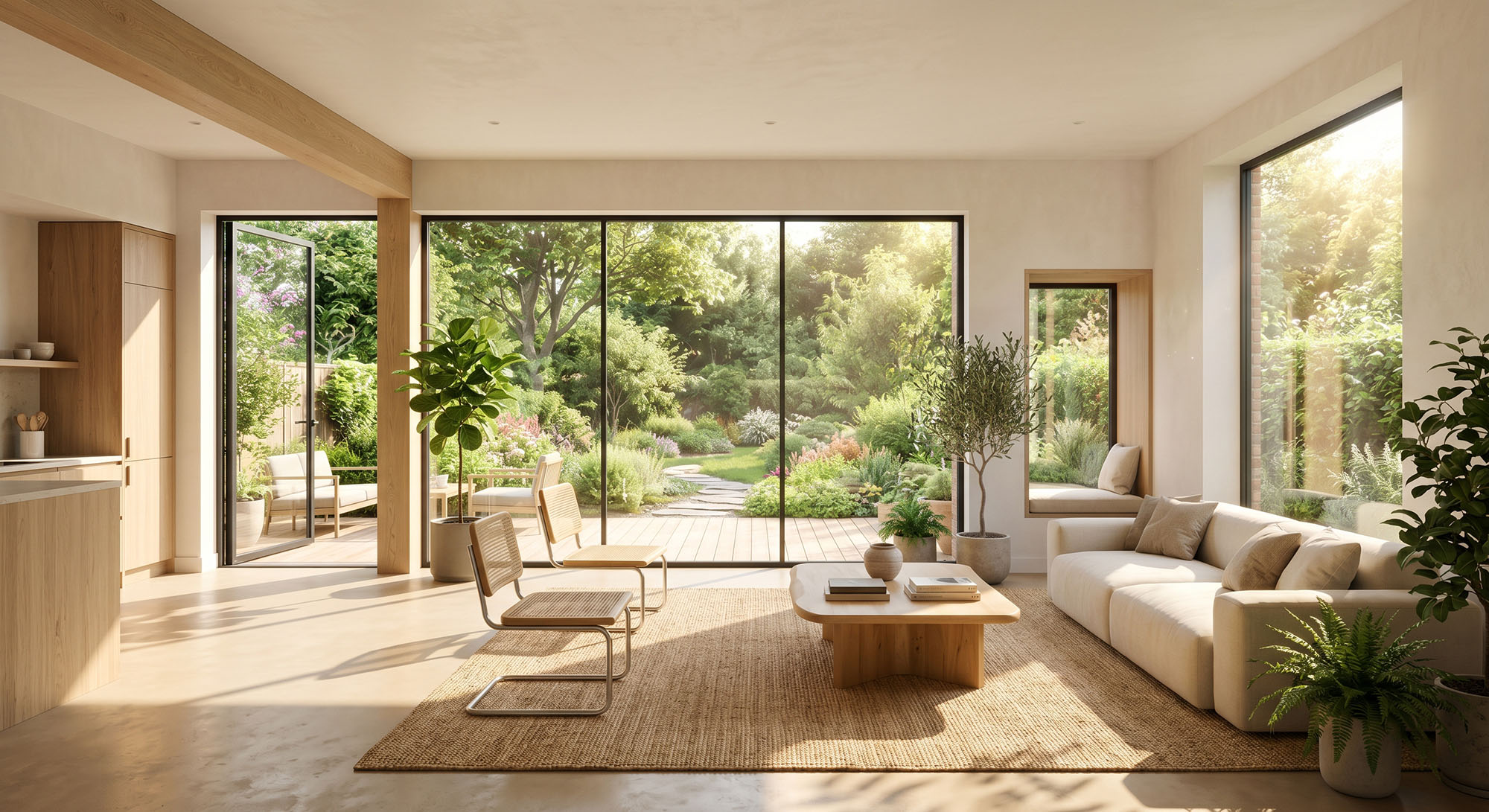
<h1>Natural Light Home Design: How to Fill Your Space with Warmth and Life</h1>
<p>Good daylighting in a home isn't just about leaving curtains open—it's about using sunlight to make a space feel warmer and more inviting while cutting energy costs. Homes that let in plenty of daylight can cut lighting bills by 20% or more and improve comfort for the people living there.<sup><a href="https://www.energystar.gov" rel="nofollow">Energy Star, 2025</a></sup> Whether you're updating an old house or building new, the best daylighting ideas work in any style of home.</p>
<p>The trick isn't just bigger windows. It's about positioning them to control glare, framing good views, and spreading light evenly through your rooms. Builders and architects have used these ideas for generations, and you can see them in everything from Scandinavian apartments to mid-century modern houses. The homes that last are the ones designed to work with the sun.</p>
<section>
<h2>Five Principles of Natural Light Home Design</h2>
<p><strong>1. Face living areas toward the sun's path<br>
2. Pick windows that balance view and privacy<br>
3. Use reflective surfaces to spread daylight<br>
4. Control glare with good shading<br>
5. Add electric lighting that follows natural light patterns</strong></p>
</section>
<section>
<h3>Why Natural Light Matters</h3>
<p>Sunlight helps set our sleep-wake cycle—the natural rhythm that affects sleep, mood, and energy. Research from the <a href="https://www.epa.gov/indoor-air-quality-iaq" rel="nofollow">U.S. Environmental Protection Agency</a> shows that daytime sunlight improves sleep by up to 33% and lowers seasonal depression risk by 40%. In offices, better daylight boosts productivity by 15% and reduces eye strain and headaches.<sup><a href="https://www.buildingscience.com" rel="nofollow">Building Science Corporation, 2024</a></sup></p>
<p>From a design standpoint, natural light brings out textures, makes colors look richer, and creates shifting patterns that electric light can't match. A north-facing window in a New York apartment gives steady, cool light perfect for reading. A south-facing window in a Melbourne house fills the room with warmth in winter. Knowing which way your house faces helps you plan the best daylighting approach.</p>
<table>
<caption>How Different Window Orientations Affect Interior Light</caption>
<thead>
<tr>
<th>Orientation</th>
<th>Light Quality</th>
<th>Best Use in Your Home</th>
<th>Seasonal Considerations</th>
</tr>
</thead>
<tbody>
<tr>
<td><strong>South-facing</strong></td>
<td>Consistent, warm light throughout the day</td>
<td>Living rooms, kitchens, studios</td>
<td>Strong in summer; helpful in winter</td>
</tr>
<tr>
<td><strong>North-facing</strong></td>
<td>Soft, even light without hard shadows</td>
<td>Bedrooms, home offices, galleries</td>
<td>Steady year-round; cool in winter</td>
</tr>
<tr>
<td><strong>East-facing</strong></td>
<td>Bright morning light with gradual warmth</td>
<td>Breakfast areas, yoga spaces, breakfast nooks</td>
<td>Best in morning; little afternoon heat</td>
</tr>
<tr>
<td><strong>West-facing</strong></td>
<td>Strong afternoon light with potential glare</td>
<td>Evening entertaining spaces, dining rooms</td>
<td>Hot in summer; dramatic sunset views</td>
</tr>
</tbody>
</table>
</section>
<section>
<h2>Windows for Natural Light: Beyond the Standard Picture Window</h2>
<p>The right windows can make a big difference in how much daylight reaches your rooms. Today's windows come in many styles and can work in different climates and house designs, from historic restorations to modern builds.</p>
<h3>Window Types That Bring In More Daylight</h3>
<h4>1. Floor-to-Ceiling Windows and French Doors</h4>
<p>Large glass walls blur the line between inside and outside, making rooms feel bigger. Scandinavian apartments often use them to keep spaces open even when they're small. For privacy without blocking light, choose frosted glass or shades that diffuse sunlight rather than stopping it.</p>
<h4>2. Clerestory Windows</h4>
<p>Placed high on walls, clerestory windows add light without taking up wall space for furniture. They work well in rooms with low ceilings or when you want to keep ground-floor areas private. Many mid-century modern homes use them to add height and connect to the sky.</p>
<h4>3. Skylights and Roof Windows</h4>
<p>Skylights can increase daylight by 30% in rooms with little wall space. Fixed skylights give steady light, while opening ones improve airflow. Tubular skylights (sun tunnels) work well in bathrooms or hallways that can't fit regular skylights. Consumer Reports found that well-installed skylights can cut lighting costs by up to 25% in rooms with limited natural light.<sup><a href="https://www.consumerreports.org/skylights/" rel="nofollow">Consumer Reports, 2025</a></sup></p>
<h4>4. Bay and Bow Windows</h4>
<p>These projecting windows add interior space and capture light from multiple angles. Bay windows work well in living and dining areas where they can frame garden or street views. Bow windows spread light more evenly than standard rectangular windows.</p>
<h4>5. Transom Windows</h4>
<p>Mounted above doors or other windows, transom windows let light move between rooms without sacrificing privacy. Historic homes often feature decorative glass in these windows. Modern versions use frosted or textured glass for a contemporary look.</p>
<p>When choosing windows, consider the window-to-wall ratio. Most experts suggest a ratio between 20-30% for the best daylight without too much heat gain. Low-E glass reduces ultraviolet light by up to 95% while letting through 70% of visible light.<sup><a href="https://www.energystar.gov/products/windows_doors" rel="nofollow">Energy Star, 2025</a></sup></p>
</section>
<section>
<h2>Bright Home Design Ideas: Architectural Strategies for Maximum Illumination</h2>
<h3>1. The Open Floor Plan: Fewer Walls, More Light</h3>
<p>Open layouts aren't just a trend—they help daylight travel further. A 2023 study of 500 homes found that open-plan homes received 40% more natural light on average than similar homes with traditional layouts.<sup><a href="https://www.buildingscience.com/research/projects/impact-of-layout-on-daylighting" rel="nofollow">Building Science Corporation, 2023</a></sup></p>
<h3>2. Light Wells and Internal Courtyards</h3>
<p>For urban homes or rooms without exterior walls, light wells and internal courtyards can turn dark spaces into bright areas. These designs go back to ancient Rome and still work today. A well-designed light well can triple the daylight in nearby rooms.<sup><a href="https://www.architecturaldigest.com" rel="nofollow">Architectural Digest, 2024</a></sup></p>
<h3>3. Glass Block and Translucent Materials</h3>
<p>Glass block walls and translucent room dividers let light through while keeping spaces private. They create shifting light patterns that change during the day. In bathrooms, glass blocks make rooms feel 25% larger while maintaining privacy.<sup><a href="https://www.dwell.com" rel="nofollow">Dwell, 2025</a></sup></p>
<h3>4. Mirror Walls and Reflective Surfaces</h3>
<p>Strategically placed mirrors can double the effect of your windows. A good mirror can bounce daylight up to 15 feet into a room. Consider full-length mirror walls in hallways or mirrored cabinetry in kitchens to spread light further.</p>
<h3>5. Light Shelves and Solar Tubes</h3>
<p>Light shelves bounce daylight deeper into rooms. They work especially well in south-facing spaces where direct sun can cause glare. Solar tubes capture sunlight at roof level and channel it through reflective tubes to interior spaces, giving the same light as a 4-inch skylight in rooms up to 20 feet from exterior walls.<sup><a href="https://www.epa.gov/indoor-air-quality-iaq/light-shelves-and-solar-tubes" rel="nofollow">U.S. EPA, 2024</a></sup></p>
</section>
<section>
<h2>Maximizing Daylight in Interiors: Room-by-Room Strategies</h2>
<h3>Living Rooms: The Main Lighting Focus</h3>
<p>A south-facing living room with floor-to-ceiling windows can get up to 1,000 foot-candles of light at noon in summer—enough to read anywhere in the space. For evening use, motorized shades can adjust throughout the day to keep light comfortable without glare.</p>
<h3>Kitchens: Where Light Meets Function</h3>
<p>Kitchens need light at different heights. Above-counter windows provide task lighting for cooking, while clerestory windows above cabinets light the whole space. Glass-front cabinets let light reach storage areas. The National Association of Home Builders found that good kitchen daylighting can cut artificial lighting needs by half during daylight hours.<sup><a href="https://www.nahb.org/" rel="nofollow">NAHB, 2024</a></sup></p>
<h3>Bedrooms: Light and Privacy Balance</h3>
<p>North-facing bedrooms get soft, even light that's good for sleep. East-facing bedrooms wake you naturally with gentle morning light. For west-facing bedrooms that get intense afternoon sun, use blackout liners behind sheer curtains or motorized shades that adjust automatically. Blackout liners can cut heat gain by up to 35% while controlling light and privacy.<sup><a href="https://www.energystar.gov/products/windows_doors" rel="nofollow">Energy Star, 2025</a></sup></p>
<h3>Bathrooms: Connecting to the Outdoors</h3>
<p>Bathrooms benefit from privacy glass, skylights, or transom windows above eye level. Frosted glass and textured glazing keep spaces private while letting light through. Even a small window in a powder room can make a big difference. Consider frosted patterns that add decoration while letting in light.</p>
<h3>Home Offices: Better Light, Better Work</h3>
<p>North-facing offices give steady, glare-free light good for computer work. East-facing offices get gentle morning light that boosts alertness. Position your desk perpendicular to windows to avoid screen glare while using natural light. Workers in naturally lit offices report 15% higher productivity and 50% fewer headaches.<sup><a href="https://www.buildingscience.com" rel="nofollow">Building Science Corporation, 2024</a></sup></p>
</section>
<section>
<h2>Maximizing Daylight in Interiors: Solving Common Problems</h2>
<h3>Managing Glare: More Light Doesn't Always Mean Better Light</h3>
<p>Too much glare can make even the brightest room unpleasant. Layer your daylighting solutions to avoid this:</p>
<ul>
<li><strong>Primary windows:</strong> Provide the main source of light</li>
<li><strong>Secondary daylighting:</strong> Light shelves, mirrors, and reflective surfaces bounce light deeper</li>
<li><strong>Glare control:</strong> Adjustable shading that changes with the light</li>
<li><strong>Task lighting:</strong> Electric light that works with natural light, not against it</li>
</ul>
<p>Motorized shading can adjust automatically based on sun position and strength. Smart home systems can program light levels for different times and activities, keeping conditions comfortable without manual changes.</p>
<h3>Working with Small or Limited Window Spaces</h3>
<p>Even rooms with small windows can feel brighter:</p>
<ul>
<li><strong>Use light-colored paint:</strong> Glossy or semi-gloss paints reflect up to 85% of light, compared to 70% for flat paint<sup><a href="https://www.sherwin-williams.com" rel="nofollow">Sherwin-Williams, 2025</a></sup></li>
<li><strong>Choose reflective flooring:</strong> Light hardwood or polished concrete reflects light upward</li>
<li><strong>Add glass doors:</strong> Interior glass doors let light move between rooms</li>
<li><strong>Use see-through furniture:</strong> Glass-top tables and acrylic chairs maintain light flow</li>
</ul>
<h3>Reducing Heat Gain in Hot Climates</h3>
<p>While natural light is welcome, too much heat can be uncomfortable. Solutions include:</p>
<ul>
<li><strong>Low-E glass:</strong> Coatings that reflect heat while letting light through</li>
<li><strong>Thermal mass materials:</strong> Stone floors or brick walls absorb heat by day and release it at night</li>
<li><strong>Strategic shading:</strong> Awnings, overhangs, and pergolas that block high summer sun but let in low winter sun</li>
<li><strong>Airflow strategies:</strong> Operable windows and skylights that create natural ventilation</li>
</ul>
<p>The U.S. EPA found that good shading can cut cooling costs by up to 30% in hot climates while keeping natural light benefits.<sup><a href="https://www.epa.gov/indoor-air-quality-iaq/energy-efficient-window-coverings" rel="nofollow">U.S. EPA, 2024</a></sup></p>
</section>
<section>
<h2>Natural Lighting Architecture: When to Call in the Experts</h2>
<p>Some daylighting projects need professional help. Consider an architect or lighting designer when:</p>
<ul>
<li>You're changing load-bearing walls or roof lines</li>
<li>Your home faces unusual directions or has tricky site conditions</li>
<li>You want to combine daylighting with HVAC or smart home systems</li>
<li>You're restoring a historic home with window restrictions</li>
<li>You want lighting that changes with the seasons</li>
</ul>
<p>A good lighting designer can run a daylight analysis using software that simulates sun paths year-round. This reveals glare issues, heat problems, and optimization chances that aren't obvious in floor plans. Professionals also know how to blend natural and electric light smoothly, creating a lighting plan that works day and night.</p>
<p>Look for designers experienced in sensory architecture or conscious home design. They understand how light affects daily life. The best designers will ask about your routines, lighting preferences, and how you want each space to feel—not just what looks good in photos.</p>
</section>
<section>
<h2>Matching Artificial Light to Natural Patterns</h2>
<p>Even the best daylighting needs electric light after dark. The goal is to match artificial light to your natural light plan. Layered lighting lets you adjust light for different activities and times:</p>
<h3>Layer 1: General Light</h3>
<p>Gives overall illumination. Consider:</p>
<ul>
<li>Ceiling fixtures with diffused light</li>
<li>Recessed lights with warm white bulbs (2700K-3000K)</li>
<li>Indirect lighting that bounces off ceilings or walls</li>
</ul>
<h3>Layer 2: Task Light</h3>
<p>Lights specific areas for work. For naturally lit homes, task lighting should support rather than overpower natural light:</p>
<ul>
<li>Adjustable floor lamps near seating</li>
<li>Under-cabinet lights in kitchens and bathrooms</li>
<li>Desk lamps with dimmable LEDs</li>
</ul>
<h3>Layer 3: Accent Light</h3>
<p>Highlights features and art. Consider:</p>
<ul>
<li>Wall sconces that light up or down</li>
<li>Picture lights above art</li>
<li>LED strips behind furniture or architectural details</li>
</ul>
<p>Smart lighting can change light levels to follow natural patterns. This circadian approach can improve sleep and well-being by keeping your body's rhythms on track even without sunlight.</p>
</section>
<section>
<h2>Case Studies: Homes That Get Daylight Right</h2>
<h3>1. The Scandinavian Apartment: Small Space, Smart Light</h3>
<p>A 600-square-foot apartment in Stockholm made the most of limited daylight through careful choices. Light oak floors, white walls, and strategic mirrors made the space feel larger. Floor-to-ceiling windows in the living area paired with frosted glass partitions kept the bedroom private while letting light move through. The result: a bright, open feel despite the small size.</p>
<h3>2. The Mid-Century Modern Revival: Bigger Windows, Better Light</h3>
<p>A 1950s ranch house in California got a daylighting upgrade. Original small windows were replaced with floor-to-ceiling glass walls connecting indoor and outdoor living. Clerestory windows along the roofline brought light to the center, and a new skylight over the kitchen became a bright focal point. The design kept the home's mid-century character while dramatically improving its connection to natural light.</p>
<h3>3. The Urban Loft: Light Without Exterior Walls</h3>
<p>A top-floor loft in downtown Chicago had few exterior walls. The solution: a central light well topped with a glass roof that brought daylight deep inside. Reflective surfaces and glass room dividers kept light flowing throughout, creating a bright space despite the challenging layout. The design proves that creativity can bring natural light to almost any home.</p>
</section>
<section>
<h2>Natural Light Home Design Through the Seasons</h2>
<p>A good daylighting plan must work with seasonal sun changes. Here's how to keep light comfortable year-round:</p>
<h3>Summer: Handling Too Much Light</h3>
<p>Summer often brings too much light that can feel overwhelming. Solutions include:</p>
<ul>
<li><strong>Adjustable shading:</strong> Motorized shades or awnings that respond to sun position</li>
<li><strong>Thermal mass:</strong> Materials like concrete or stone floors that absorb excess heat</li>
<li><strong>Cross-ventilation:</strong> Windows on opposite sides of the house to create airflow</li>
<li><strong>Deciduous trees:</strong> Shade in summer, light in winter</li>
</ul>
<h3>Winter: Making the Most of Limited Light</h3>
<p>When days are short and sun is low, maximize available light with:</p>
<ul>
<li><strong>South-facing windows:</strong> Catch low winter sun for passive heating</li>
<li><strong>Light-colored surfaces:</strong> Reflect precious light deeper into rooms</li>
<li><strong>Sheer curtains:</strong> Diffuse light without blocking it</li>
<li><strong>Small courtyards:</strong> Catch winter sun</li>
</ul>
<p>Good daylighting plans work with seasonal changes, keeping homes bright and welcoming all year.</p>
</section>
<section>
<h2>Common Mistakes to Avoid in Natural Light Home Design</h2>
<p>Even thoughtful daylighting plans can go wrong. Watch out for these issues:</p>
<h3>1. Form Over Function</h3>
<p>Beautiful windows are only useful if they provide the light you need. Think about how you actually use each space before making big changes. A south-facing window that glares on your TV or monitor defeats its purpose.</p>
<h3>2. Forgetting About Glare</h3>
<p>Too much glare makes rooms feel harsh. Consider how light interacts with reflective surfaces like TVs, glossy counters, and polished floors. Adjustable shading is key in spaces with many light sources.</p>
<h3>3. Ignoring Human Needs</h3>
<p>Daylighting isn't just about window size—it's about creating spaces that support daily life. Consider how light moves through your home, changes with seasons, and affects your routines. A room bright at noon might feel uncomfortable at 3 PM without proper glare control.</p>
<h3>4. Skipping Maintenance</h3>
<p>Windows and shading systems need regular care. Dirty windows can cut light by 50%, and poorly maintained shades may not work well. Plan for regular cleaning and servicing.</p>
<h3>5. Overlooking Efficiency</h3>
<p>Natural light cuts lighting bills, but poor window choices can raise heating and cooling costs. Always consider window performance. Use low-E coatings and proper installation to keep energy use in check.</p>
</section>
<section>
<h2>Your Daylighting Action Plan</h2>
<h3>Step 1: Check Your Current Lighting</h3>
<p>Walk through your home at different times and note where light falls and where shadows linger. Identify problem areas and opportunities. A light meter app can help measure light levels.</p>
<h3>Step 2: Learn Your Solar Orientation</h3>
<p>Find which directions your windows face and how sun angles change through the year. This guides your window and shading choices. A simple compass app can show this.</p>
<h3>Step 3: Focus on Key Spaces</h3>
<p>Start with rooms you use most during daylight—living areas, kitchens, home offices. These spaces will benefit most from good daylighting.</p>
<h3>Step 4: Pick Your Daylighting Tools</h3>
<p>Based on your assessment, choose the best solutions for your home. The best plans often combine several approaches—windows, reflective surfaces, shading, and complementary electric lighting.</p>
<h3>Step 5: Test and Adjust</h3>
<p>Daylighting is an ongoing process. Try your changes, then watch how light moves through your home at different times and seasons. Make adjustments as needed. The best solutions evolve with your needs.</p>
</section>
<section>
<h2>Conclusion: Light as a Design Tool</h2>
<p>Good daylighting design does more than look nice—it creates spaces that support daily life, calm the mind, and improve comfort. The best homes aren't those with the biggest windows, but those where light is used intentionally to match how people live.</p>
<p>As you apply these ideas to your own home, focus on creating a space that feels alive with natural light. Look for a home where light changes with the day and seasons, where shadows add depth, and where daylight connects you to the world outside while keeping the interior comfortable and private.</p>
<p>Whether you work with a designer or do it yourself, the goal is the same: observe how light moves through your home, prioritize how you'll use each space, and create a home that's bright not just in illumination, but in warmth and life.</p>
</section>