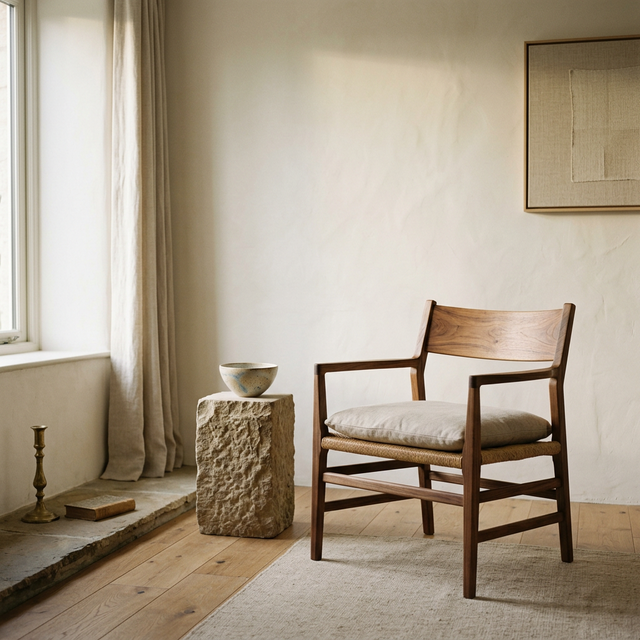
We live in an age of instant everything. Same-day delivery. One-click purchases. Entire room makeovers completed in a 22-minute television episode. But the homes that truly nurture us—the ones that feel layered, authentic, and deeply personal—cannot be rushed into existence.
The Problem with Fast Design
When we decorate quickly, we make decisions from a place of urgency rather than intention. We buy the sofa that’s in stock rather than the one that’s right. We hang art to fill empty walls rather than because we love it. We settle for “good enough” because we want the project completed.
The result? Spaces that look finished but feel hollow. Rooms that photograph well but never quite feel like home.
The Philosophy of Slow
Slow decorating is not about deprivation or austerity. It’s about alignment—ensuring that every object in your home supports your values and serves your life. It’s about creating space for discovery, for saving up for quality pieces, for letting your taste evolve.
Start With Emptiness
The most important step in slow decorating is often the hardest: resisting the urge to fill space immediately. Live with emptiness. Notice how light moves through a room when it’s not blocked by furniture. Pay attention to how you actually use the space before deciding what it needs.
Collect, Don’t Shop
Shift your mindset from shopping to collecting. The best pieces in your home will likely come from:
- Antique shops and flea markets: Objects with history and patina
- Artisan studios: Handcrafted pieces made with intention
- Family heirlooms: Items that connect you to your past
- Travel: Souvenirs that carry the memory of place
- Your own making: Creative projects that express your unique vision
Wait for the Right Piece
I have a rule: if I’m not still thinking about an item after three days, I don’t buy it. This simple delay prevents most impulse purchases. The things that stay with you—those are the things worth owning.
The Three-Year Room
Here’s a framework I share with clients: plan for your home to take three years to feel complete. Not because you’re procrastinating, but because you’re curating:
Year One: Focus on essentials. The pieces you use daily—bed, dining table, sofa. Buy the best quality you can afford, even if it means waiting and saving.
Year Two: Add character. Art, textiles, lighting. These are the things that give a room personality. Take your time finding pieces that resonate.
Year Three: Refine and edit. Remove what doesn’t work. Add the finishing touches. Live in the space long enough to know what it truly needs.
The Empty Wall
One of the most powerful concepts in slow decorating is the empty wall. In a world that tells us to cover every surface, choosing to leave space is revolutionary. An empty wall:
- Creates visual rest
- Allows the architecture to breathe
- Provides room for future discoveries
- Demonstrates confidence in restraint
When to Break the Rules
Slow decorating is a philosophy, not a prison. There are times to move quickly:
- Safety issues: Broken furniture, unstable shelving
- Functional necessities: A bed when you’ve just moved
- Emotional needs: Sometimes you simply need a space to feel finished
The goal is mindfulness, not martyrdom. Make conscious choices, even when those choices involve speed.
“The best rooms have something to say about the people who live in them.” — David Hicks
The Patience Dividend
The reward for slow decorating is a home that feels inevitable—as if every piece found its perfect place through some natural force rather than human decision. Visitors sense it immediately. They can’t articulate why your home feels different, but they know it does.
This is the dividend of patience: a space that is unmistakably, authentically yours.
Your home is not a project to be completed. It’s an ongoing conversation between you and your space. Have that conversation slowly. Listen carefully. And trust that the right objects will find you at the right time.