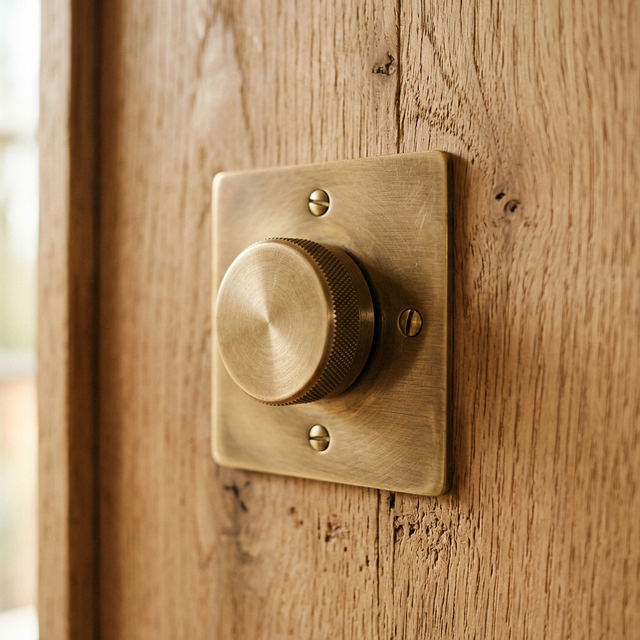
It’s easy to obsess over the big decisions in design—sofa shapes, paint colors, floor materials. But I’ve come to believe that the soul of a home lives in the small details. The weight of a cabinet pull in your hand. The smooth action of a well-made hinge. These are the things you touch dozens of times a day, and they deserve your full attention.
Why Hardware Matters
Every interaction with your home is an opportunity for delight or disappointment. Cheap hardware wobbles, tarnishes, and eventually fails. Quality hardware ages gracefully, developing a patina that tells the story of years of use.
Beyond aesthetics, hardware choices have real environmental impact:
- Longevity: Well-made pieces last decades, reducing replacement waste
- Materials: Solid brass and bronze are infinitely recyclable
- Manufacturing: Small-batch, artisan-produced hardware has a smaller carbon footprint than mass-produced alternatives
Materials That Last
Solid Brass
Brass has been the gold standard (pun intended) for hardware for centuries. It’s naturally antimicrobial, corrosion-resistant, and develops a beautiful patina over time. Unlacquered brass will darken and mellow, while lacquered brass maintains its bright finish.
Look for: Solid brass, not brass-plated zinc or aluminum. The weight alone will tell you—solid brass feels substantial in your hand.
Bronze
More expensive than brass but equally beautiful, bronze has a warmer, more reddish tone. It’s exceptionally durable and was historically used for marine hardware because of its resistance to salt corrosion.
Best for: Coastal homes, outdoor applications, or anywhere you want a slightly more rustic aesthetic.
Wrought Iron
For a more industrial or traditional look, hand-forged iron hardware offers unmatched character. Each piece bears the marks of its maker—subtle variations that machine production cannot replicate.
Consider: Blackened or waxed finishes for a softer look than raw iron.
Styles That Endure
Trends in hardware come and go, but certain designs have remained relevant for generations:
Bin Pulls: These cup-shaped drawer pulls, popularized in the late 19th century, work equally well in traditional and contemporary kitchens.
Lever Handles: Ergonomic and elegant, lever-style door handles suit almost any architectural style.
Simple Knobs: A well-proportioned round or square knob in quality material never goes out of style.
The Tactile Sincerity Test
Before purchasing any hardware, I recommend what I call the “tactile sincerity test”:
- Hold it in your hand: Does it feel substantial or hollow?
- Operate the mechanism: Does it move smoothly without grinding or wobbling?
- Examine the finish: Is it consistent? Are there visible seams or tooling marks?
- Consider the weight: Heavier generally means better quality materials
Where to Invest
If budget is limited, prioritize hardware that receives the most use:
- Kitchen cabinets: Pulls and knobs used multiple times daily
- Entry door: The first thing guests touch when entering your home
- Main bathroom: Faucets and shower controls
- Closets: Sliding door hardware that must operate smoothly
Installation Matters
Even the finest hardware will disappoint if poorly installed:
- Use the correct screws: Too short and the pull will loosen; too long and they’ll poke through
- Check for level: A slightly crooked cabinet pull is surprisingly noticeable
- Don’t overtighten: This can strip screw holes or crack materials
- Consider backing plates: These distribute pressure and prevent damage to delicate surfaces
The Beauty of Patina
One of the joys of quality hardware is watching it age. Unlacquered brass will shift from bright gold to warm brown to deep bronze over years of handling. This living finish cannot be rushed or faked—it’s the honest record of daily life.
Embrace this evolution. Avoid the temptation to polish away every mark. These subtle changes are what make your home uniquely yours.
The hardware in your home is jewelry for your architecture. Choose pieces that reflect your values—in craftsmanship, in sustainability, in beauty. Touch them mindfully. And know that decades from now, someone else will appreciate the care you took in selecting objects built to last.