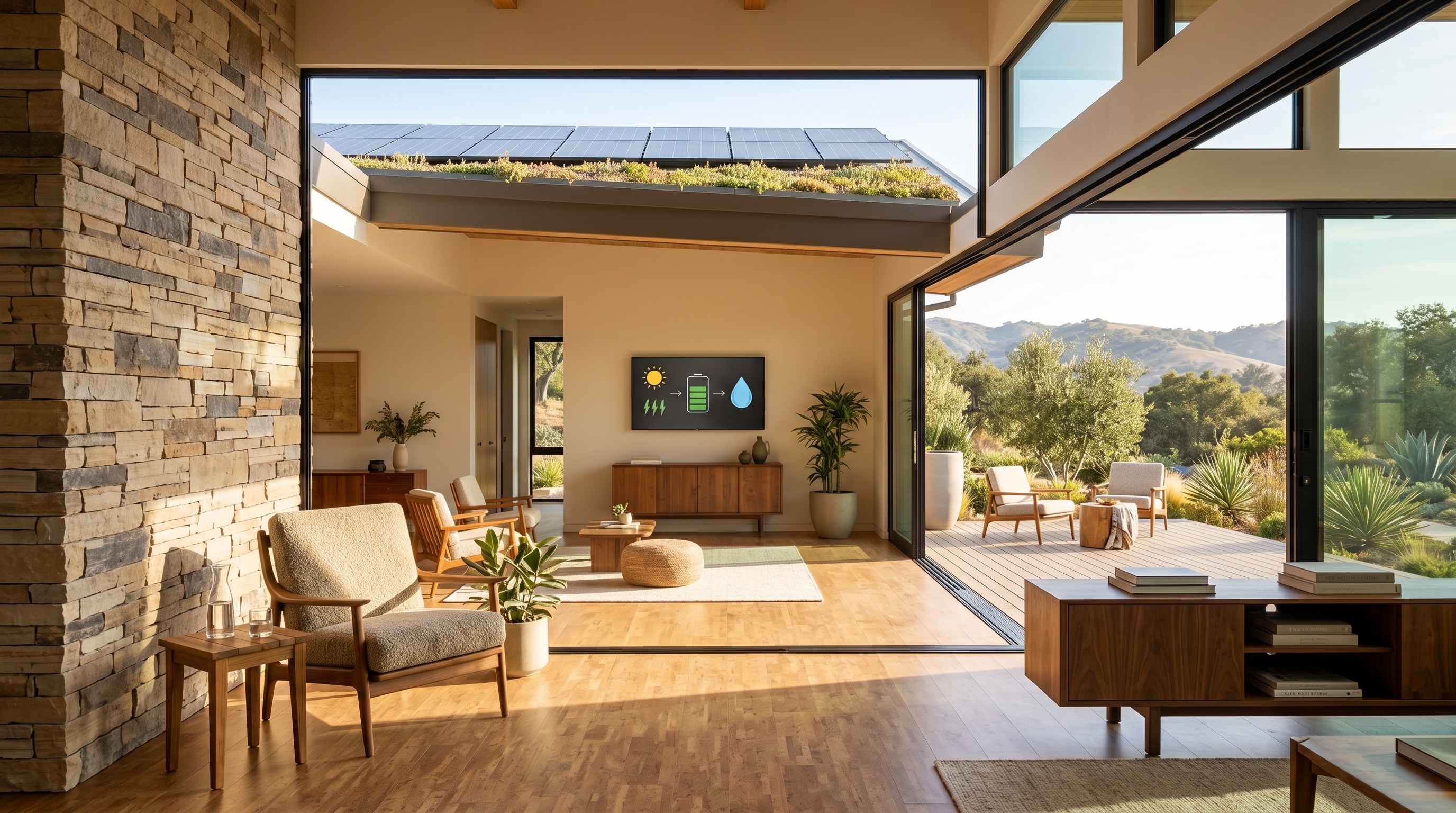
Sustainable interior design didn’t emerge from thin air; it evolved from principles first articulated and embodied by mid-century modern homes. The clean lines, functional forms, and connection to nature that define mid-century modernism aren’t just aesthetic choices—they’re foundational strategies for creating spaces that endure both stylistically and environmentally. Today’s most mindful design approaches owe much to this 20th-century movement, which prioritized livable spaces over ornamentation and innovative materials over trendiness. The result is a design philosophy that remains relevant, resilient, and increasingly essential as homeowners seek to reduce their environmental footprint without sacrificing style.
At a Glance: Why Mid-Century Modernism and Sustainability Align
Mid-century modern design champions minimalist design, functionality, and harmony with the natural environment—three pillars that also underpin sustainable interior design. This movement, which flourished from the 1940s to the 1970s, emphasized open floor plans, natural light, organic materials, and uncluttered spaces—all strategies that reduce energy use and promote well-being. By embracing these principles, homeowners today can create livable spaces that are both beautiful and resource-efficient. The overlap between mid-century modernism and sustainable design isn’t coincidental; it reflects a shared commitment to thoughtful, long-term living.
| Mid-Century Modern Design Principle | Sustainable Design Benefit | Real-World Application |
|---|---|---|
| Open floor plans | Improved airflow and natural lighting reduces reliance on HVAC systems | Homes in California’s temperate climate often use 15–20% less energy with open layouts |
| Natural materials (wood, stone, wool) | Lower carbon footprint than synthetic alternatives; healthier indoor air quality | Reclaimed teak or sustainably sourced oak furniture emits 30–50% less CO2 over its lifespan |
| Large windows and skylights | Maximizes passive solar heating and daylighting, cutting electricity use | A well-placed 6-foot window can reduce lighting costs by up to 10% annually |
| Built-in storage and multi-functional furniture | Reduces clutter and need for additional furnishings, lowering material consumption | A built-in bookshelf integrated into a living room can eliminate the need for a standalone storage unit |
| Neutral, earthy color palettes | Reduces need for repainting; lighter colors reflect heat, reducing cooling costs | Using low-VOC paints in earth tones can improve indoor air quality by up to 50% |
How Mid-Century Modern Principles Shape Sustainable Interior Design
The mid-century modern movement was revolutionary not because it introduced radical new materials, but because it reimagined how existing ones could be used. Designers like Charles and Ray Eames, Eero Saarinen, and Florence Knoll prioritized innovative home solutions that balanced form and function while respecting the environment. Their work laid the groundwork for today’s sustainable design practices by proving that home interior choices could be both stylish and responsible. Here’s how those foundational ideas translate into sustainable interior design today:
1. Less Is More: The Power of Minimalism in Reducing Waste
Minimalist design, a cornerstone of mid-century modernism, advocates for fewer, higher-quality items rather than excess. This philosophy directly supports sustainability by reducing overconsumption and waste. In a minimalist modern home, every piece serves a purpose, which means fewer replacements and less landfill contribution. For example, a mid-century-inspired sofa with clean lines and durable upholstery can last decades, whereas trend-driven furniture may be discarded within a few years. Studies show that durable, well-designed furniture can reduce material consumption by up to 30% over a 10-year period compared to disposable alternatives.
The minimalist approach also extends to decor. Mid-century modern homes often feature a curated selection of art, plants, and textiles—choices that prioritize longevity and emotional connection over fast fashion. This intentionality reduces the cycle of buying and replacing items, a key factor in lowering a home’s environmental impact.
2. Natural Light as a Renewable Resource
Mid-century modern architects like Richard Neutra and Pierre Koenig were pioneers in using large windows and open floor plans to harness natural light. This wasn’t just an aesthetic choice; it was an energy strategy. By maximizing daylight, these homes reduced the need for artificial lighting during the day, cutting electricity use and associated carbon emissions. Today, this principle is central to passive solar design, a sustainable strategy that can reduce a home’s energy consumption by 20–30%.
In a modern application, large south-facing windows can provide up to 70% of a home’s daylight needs during winter months in temperate climates. This reduces reliance on electric lighting and, consequently, the demand for power from non-renewable sources. Additionally, daylight has been proven to improve mental health and productivity, making it a dual-purpose sustainability strategy.
3. Organic Materials: The Smart Choice for Health and Longevity
Mid-century modern designers favored materials like wood, stone, wool, and linen—choices that are not only aesthetically pleasing but also environmentally responsible. These materials are biodegradable, non-toxic, and often locally sourced, reducing the carbon footprint associated with transportation and manufacturing. Unlike synthetic materials such as vinyl or fiberglass, which can off-gas volatile organic compounds (VOCs) and contribute to indoor air pollution, natural materials improve indoor air quality and support occupant health.
For instance, solid wood furniture from sustainably managed forests (certified by organizations like the Forest Stewardship Council) has a significantly lower environmental impact than particleboard or MDF, which often contain formaldehyde-based adhesives. According to the U.S. Environmental Protection Agency (EPA), indoor air pollution can be 2–5 times higher than outdoor levels, with VOCs from synthetic materials being a major contributor. By choosing natural materials, homeowners can create healthier livable spaces while reducing their reliance on synthetic, resource-intensive alternatives.
4. Built-In Solutions: Designing for Longevity and Adaptability
One of the most sustainable aspects of mid-century modern design is its emphasis on built-in furniture and storage. Unlike freestanding pieces, built-ins are integrated into the architecture of the home, making them a permanent fixture. This reduces the need for additional furnishings and minimizes the environmental cost of replacement. For example, a built-in shelving unit in a living room eliminates the need for a standalone bookcase, saving both materials and the energy required to manufacture and transport it.
Built-ins also encourage adaptability. As families grow or needs change, these spaces can be repurposed without requiring new furniture. This adaptability extends the lifespan of both the home and its contents, further reducing waste. In contrast, open-concept homes with minimal built-ins may require frequent updates to accommodate changing lifestyles, leading to higher material consumption.
Mindful Design: The Bridge Between Mid-Century Modernism and Modern Sustainability
Mindful design is the practice of making intentional choices about the materials, processes, and systems used in a home. It’s a concept deeply rooted in mid-century modernism, which valued craftsmanship, honesty in materials, and harmony with nature. Today, mindful design has evolved to include considerations like life-cycle assessment, carbon footprint, and circular economy principles. By applying these ideas to home interior design, homeowners can create spaces that are not only beautiful but also responsible.
1. Life-Cycle Assessment: Thinking Beyond the Purchase
A mindful approach to design requires looking beyond the initial purchase to consider the entire life cycle of a product. This includes the environmental cost of raw material extraction, manufacturing, transportation, use, and eventual disposal. Mid-century modern furniture, for example, was designed to last for generations, a principle that aligns perfectly with life-cycle thinking. In contrast, much of today’s furniture is designed for obsolescence, with a lifespan of just 5–7 years.
According to a Ellen MacArthur Foundation report, the fashion and furniture industries are responsible for 10% of global carbon emissions. By choosing durable, high-quality pieces inspired by mid-century modernism, homeowners can significantly reduce their contribution to this figure. For example, a mid-century modern dining table made from solid oak can last 50+ years with proper care, whereas a particleboard table may need to be replaced every 7–10 years.
2. Circular Economy: Designing for Reuse and Recycling
The circular economy is a model of production and consumption that involves sharing, leasing, reusing, repairing, refurbishing, and recycling existing materials and products for as long as possible. Mid-century modern design inherently supports this model by emphasizing craftsmanship, reparability, and timeless aesthetics. Unlike disposable furniture, which is often glued or stapled together, mid-century pieces are typically constructed with screws, dowels, or joinery techniques like mortise and tenon, making them easier to repair and refurbish.
For example, a vintage Eames-style chair can be reupholstered with sustainable fabric every 10–15 years, extending its lifespan indefinitely. This approach not only reduces waste but also preserves the cultural and historical value of the piece. In a modern context, this principle can be applied to new furniture by choosing pieces made from recycled materials or designed for disassembly, ensuring they can be easily recycled at the end of their life.
3. Biophilic Design: Reconnecting with Nature
Biophilic design is the practice of incorporating natural elements into the built environment to improve human well-being and productivity. While not exclusive to mid-century modernism, the movement’s emphasis on organic materials, natural light, and indoor-outdoor flow aligns closely with biophilic principles. Studies show that exposure to nature in interior spaces can reduce stress, improve mood, and even enhance cognitive function. By integrating elements like indoor plants, natural wood finishes, and views of the outdoors, homeowners can create livable spaces that promote both mental and environmental health.
For example, a mid-century modern home with large windows overlooking a garden not only reduces the need for artificial lighting but also fosters a connection to the natural world. This connection can motivate homeowners to make more sustainable choices, such as reducing water use or supporting local ecosystems. According to a Nature Conservancy study, homes with biophilic design elements can reduce occupant stress levels by up to 15%.
Innovative Home Solutions: Modern Takes on Mid-Century Principles
The mid-century modern movement was defined by innovation—not just in aesthetics, but in how spaces function. Today’s innovative home solutions build on these ideas, incorporating cutting-edge technology and sustainable materials to create homes that are both efficient and inspiring. From smart lighting systems to passive solar design, modern innovations are making it easier than ever to achieve a mid-century modern aesthetic while prioritizing sustainability.
1. Passive House Design: The Ultimate in Energy Efficiency
Passive House (or Passivhaus) design is a rigorous, voluntary standard for energy efficiency in a building, reducing its ecological footprint. While not exclusive to mid-century modernism, the principles align closely: super insulation, airtight construction, high-performance windows, and heat recovery ventilation. These features were pioneered in mid-century modern homes, which often used thick walls, double-glazed windows, and strategic orientation to maximize energy efficiency.
For example, a Passive House certified home can reduce heating and cooling demands by up to 90% compared to conventional homes. This is achieved through design choices that mid-century modern architects would recognize, such as orienting windows to capture solar heat in winter and shading them in summer. By combining these principles with modern technology, homeowners can create modern homes that are both stylish and ultra-efficient.
2. Smart Home Technology: Enhancing Sustainability Without Sacrificing Style
Smart home technology is often associated with futuristic, high-tech aesthetics, but it can also complement mid-century modern design. For example, smart thermostats like the Nest Learning Thermostat blend seamlessly with minimalist interiors while reducing energy use by up to 20%. Similarly, smart lighting systems like Philips Hue can be programmed to mimic natural light patterns, reducing the need for artificial lighting and improving occupant comfort.
In a mid-century modern home, smart technology can be integrated discreetly into the existing aesthetic. For example, a smart speaker can be placed in a built-in shelf, and smart plugs can be hidden behind furniture. This approach ensures that technology enhances sustainability without disrupting the clean lines and natural materials that define mid-century modernism.
3. Sustainable Materials: The Next Generation of Mid-Century Inspiration
While mid-century modern designers worked with wood, stone, and wool, today’s sustainable materials offer even more innovative options. For example, bamboo—a fast-growing, renewable resource—is now used for flooring, cabinetry, and furniture, offering a durable and eco-friendly alternative to traditional hardwoods. Similarly, recycled glass and reclaimed metal are being used for countertops, backsplashes, and decorative elements, reducing the need for virgin materials.
Another exciting development is the use of mycelium, a biodegradable material grown from fungi, which can be shaped into furniture, insulation, and even structural panels. This material not only reduces waste but also sequesters carbon, making it a perfect fit for sustainable interior design. By incorporating these modern materials into a mid-century modern-inspired home, homeowners can create spaces that are both timeless and cutting-edge.
Creating a Sustainable Mid-Century Modern Home: Practical Steps
Transitioning to a sustainable mid-century modern home doesn’t require a complete overhaul. Instead, it’s about making intentional choices that align with the movement’s core principles. Here’s a step-by-step guide to creating a livable space that honors the past while embracing the future:
1. Start with the Foundation: Energy Efficiency
The most sustainable home is one that doesn’t need to use excess energy in the first place. Begin by assessing your home’s energy efficiency and making improvements where necessary. This might include:
- Sealing air leaks and adding insulation to reduce heating and cooling costs.
- Installing energy-efficient windows (look for double or triple glazing with low-emissivity coatings).
- Upgrading to a high-efficiency HVAC system or exploring alternatives like ductless mini-splits.
- Adding shading devices like overhangs or awnings to reduce solar heat gain in summer.
These improvements not only reduce your environmental impact but also create a more comfortable modern home that aligns with mid-century modern principles of harmony and balance.
2. Choose Sustainable Materials for Flooring, Walls, and Furniture
The materials you choose for your home’s interior play a significant role in its sustainability. Opt for:
- Flooring: Solid hardwood (FSC-certified), bamboo, cork, or reclaimed wood. Avoid vinyl or laminate, which often contain PVC and other harmful chemicals.
- Walls: Low-VOC or zero-VOC paint, natural clay plaster, or lime wash. These options improve indoor air quality and reduce off-gassing.
- Furniture: Look for pieces made from solid wood, metal, or recycled materials. Avoid furniture treated with flame retardants or formaldehyde-based adhesives. Mid-century modern-inspired pieces from brands like Herman Miller or Knoll often prioritize sustainability and craftsmanship.
- Textiles: Organic cotton, linen, hemp, or wool for upholstery, curtains, and rugs. Look for certifications like GOTS (Global Organic Textile Standard) or OEKO-TEX®.
When shopping for furniture, prioritize quality and durability over trends. A well-made mid-century modern sofa or chair can last for decades, reducing the need for replacements and the associated environmental cost.
3. Embrace Natural Light and Ventilation
Mid-century modern homes are defined by their connection to the outdoors. To recreate this in your own space, focus on:
- Maximizing natural light with large windows, skylights, or glass doors. Consider the orientation of your home to optimize solar gain in winter and shade in summer.
- Using light-colored or reflective surfaces to bounce light deeper into the space.
- Ensuring cross-ventilation with operable windows to improve air quality and reduce reliance on air conditioning.
- Incorporating indoor plants to purify the air and create a biophilic connection to nature.
A well-lit home not only reduces energy use but also enhances the psychological benefits of home interior design, making your space feel more open, airy, and connected to the outdoors.
4. Prioritize Built-Ins and Multi-Functional Furniture
Built-in furniture and multi-functional pieces are hallmarks of mid-century modern design and key strategies for sustainability. They reduce clutter, save space, and eliminate the need for additional furnishings. Consider:
- Built-in shelving or cabinetry in living rooms, bedrooms, or hallways.
- Furniture with hidden storage, such as ottomans, benches, or coffee tables with lift-top compartments.
- Murphy beds or sofa beds for guest rooms or small spaces.
- Modular furniture that can be reconfigured as needs change.
These solutions not only reduce material consumption but also create livable spaces that are adaptable and functional for years to come.
5. Incorporate Mindful Decor and Accessories
The final layer of a sustainable mid-century modern home is the decor. Choose pieces that are meaningful, durable, and responsibly made. This might include:
- Artwork made from recycled or upcycled materials.
- Decorative objects crafted from natural materials like ceramic, glass, or stone.
- Textiles like rugs, throw pillows, and curtains made from organic or recycled fibers.
- Plants to add life and color while improving air quality.
Avoid disposable decor like plastic ornaments or mass-produced throwaway items. Instead, curate a collection of pieces that reflect your values and tell a story. This approach not only reduces waste but also creates a home that feels personal and intentional.
Case Studies: Sustainable Mid-Century Modern Homes in Action
To illustrate how these principles come to life, here are three real-world examples of homes that blend mid-century modern design with sustainable practices:
1. The Smith Residence: A Net-Zero Mid-Century Revival
Located in Portland, Oregon, the Smith Residence is a 1950s mid-century home that underwent a deep energy retrofit to achieve net-zero energy status. The owners preserved the home’s original character—open floor plan, large windows, and wood paneling—while making it energy-efficient. Key upgrades included:
- Adding 12 inches of insulation to the attic and walls.
- Installing triple-glazed windows with low-E coatings.
- Replacing the gas furnace with a ductless mini-split heat pump.
- Adding a 10-kW solar array to the roof.
- Using reclaimed wood for flooring and built-in shelving.
The result is a home that honors its mid-century roots while achieving net-zero energy use. The owners report a 70% reduction in energy bills and a significant improvement in indoor air quality. The project demonstrates how mid-century modern design and sustainability can coexist seamlessly.
2. The Green House: A Biophilic Mid-Century Oasis
Designed by architect Michael Jantzen, The Green House is a modern interpretation of mid-century modernism that prioritizes biophilic design. The home features large windows, indoor gardens, and a central atrium that brings natural light deep into the space. Sustainable features include:
- A green roof to reduce stormwater runoff and provide insulation.
- Rainwater harvesting for irrigation and non-potable water use.
- Solar tubes to maximize daylighting without compromising privacy.
- Furniture made from reclaimed wood and recycled metal.
- Natural ventilation systems to reduce reliance on air conditioning.
The Green House proves that mid-century modern principles can be adapted to create homes that are not only stylish but also ecologically responsible. The home’s design fosters a deep connection to nature, improving occupant well-being while reducing environmental impact.
3. The Eco Eames: A Sustainable Take on a Mid-Century Icon
Inspired by the iconic Eames Lounge Chair, the Eco Eames is a modern reimagining of mid-century modern furniture that prioritizes sustainability. The chair is made from 100% recycled aluminum, FSC-certified walnut, and organic wool upholstery. Unlike the original, which was designed for long-term use, the Eco Eames is also designed for disassembly, making it easier to repair or recycle at the end of its life.
The chair’s production process uses 60% less energy than traditional manufacturing methods, and its materials are sourced from certified sustainable suppliers. This project highlights how mid-century modern design can evolve to meet modern sustainability standards without sacrificing style or comfort.
Common Misconceptions About Mid-Century Modern and Sustainability
Despite the clear alignment between mid-century modern design and sustainability, several misconceptions persist. Addressing these can help homeowners make more informed choices when designing their modern home.
1. “Mid-Century Modern Homes Are Energy Guzzlers”
While it’s true that many original mid-century homes were not built with energy efficiency in mind, the principles they embody—natural light, passive solar heating, and open floor plans—are inherently sustainable. With modern upgrades like insulation, high-performance windows, and smart thermostats, mid-century homes can be transformed into energy-efficient livable spaces. In fact, their design often makes them easier to retrofit than older, more compartmentalized homes.
2. “Sustainable Design Means Sacrificing Style”
This couldn’t be further from the truth. Mid-century modernism proves that sustainability and style are not mutually exclusive. The movement’s emphasis on clean lines, natural materials, and functional form aligns perfectly with modern sustainable design. Today, there are countless brands and designers creating mid-century modern-inspired pieces that are both beautiful and eco-friendly. Style is not a barrier to sustainability—it’s an opportunity to make intentional, long-lasting choices.
3. “You Have to Choose Between Old and New”
Many homeowners assume that embracing sustainability means replacing their mid-century home with a modern, eco-friendly one. However, the reality is that retrofitting an existing home is often more sustainable than building new. According to the Building Science Corporation, retrofitting an existing home can reduce embodied carbon by up to 95% compared to new construction. By preserving the character of your mid-century home and upgrading it with sustainable features, you can have the best of both worlds.
4. “Sustainable Materials Are Expensive”
While some sustainable materials may have a higher upfront cost, they often provide long-term savings. For example, solid wood furniture may cost more initially but will last for decades, whereas cheap particleboard furniture may need to be replaced every few years. Similarly, energy-efficient windows and insulation can reduce utility bills for years to come. When viewed through a life-cycle lens, sustainable materials are often the most cost-effective choice in the long run.
The Future of Sustainable Interior Design: Mid-Century Modernism’s Legacy
The mid-century modern movement didn’t just shape the look of 20th-century homes; it laid the groundwork for today’s sustainable design practices. As climate change intensifies and resources become scarcer, the principles of mid-century modernism—minimalism, functionality, connection to nature, and longevity—will only grow more relevant. Future generations of homeowners and designers will continue to draw inspiration from this era, adapting its ideas to meet the challenges of the 21st century.
The Role of Technology in Preserving Mid-Century Modern Principles
Technology is playing an increasingly important role in helping homeowners achieve mid-century modern-inspired, sustainable homes. For example:
- 3D printing: Allows for the creation of custom, durable furniture using recycled materials, reducing waste and transportation emissions.
- Virtual reality: Helps homeowners visualize how sustainable design choices will look in their space before making a purchase.
- Smart sensors: Monitor energy use, indoor air quality, and occupancy to optimize system performance in real time.
- Carbon accounting tools: Help homeowners track the environmental impact of their design choices and identify opportunities for improvement.
These technologies make it easier than ever to create innovative home solutions that honor the past while embracing the future.
Educating the Next Generation of Designers
As sustainable design becomes the norm, it’s essential to educate the next generation of architects and interior designers about the principles of mid-century modernism. By teaching students about the movement’s emphasis on functionality, craftsmanship, and harmony with nature, we can ensure that these values continue to shape the homes of the future. Schools like California College of the Arts and Parsons School of Design are already incorporating sustainability into their curricula, proving that mid-century modernism’s legacy is alive and well.
The Rise of “Slow Design”
“Slow design” is an emerging movement that encourages consumers to buy less, choose well, and care for what they already own. This philosophy aligns perfectly with mid-century modernism’s emphasis on longevity and intentionality. By embracing slow design, homeowners can create home interiors that are not only sustainable but also deeply personal and meaningful. In a world of disposable goods, slow design offers a refreshing alternative that prioritizes quality, craftsmanship, and connection to the past.
Conclusion: Why Mid-Century Modernism Is the Blueprint for Sustainable Living
Sustainable interior design isn’t a trend—it’s a necessity. As the effects of climate change become more apparent and resources grow scarcer, the choices we make about our homes will have a profound impact on the planet and our well-being. Mid-century modernism offers a proven blueprint for creating livable spaces that are beautiful, functional, and responsible. By embracing its principles—minimalism, natural materials, connection to nature, and longevity—we can create homes that honor the past while building a more sustainable future.
The mid-century modern movement was revolutionary in its time, and its influence on sustainable design is only beginning. From energy-efficient retrofits to biophilic interiors, the ideas pioneered by designers like Charles and Ray Eames, Eero Saarinen, and Florence Knoll continue to inspire and guide us. By applying these principles to our own modern homes, we can reduce our environmental footprint, improve our quality of life, and create spaces that stand the test of time. In the end, the most sustainable home is one that’s designed to last—both physically and in its ability to inspire future generations.
As you embark on your journey to create a sustainable mid-century modern home, remember that every choice matters. Whether it’s selecting a reclaimed wood dining table, installing energy-efficient windows, or embracing a minimalist aesthetic, each decision is a step toward a more mindful and responsible way of living. The homes we create today shape the world we leave behind—so let’s build them with intention, creativity, and a deep respect for the planet.