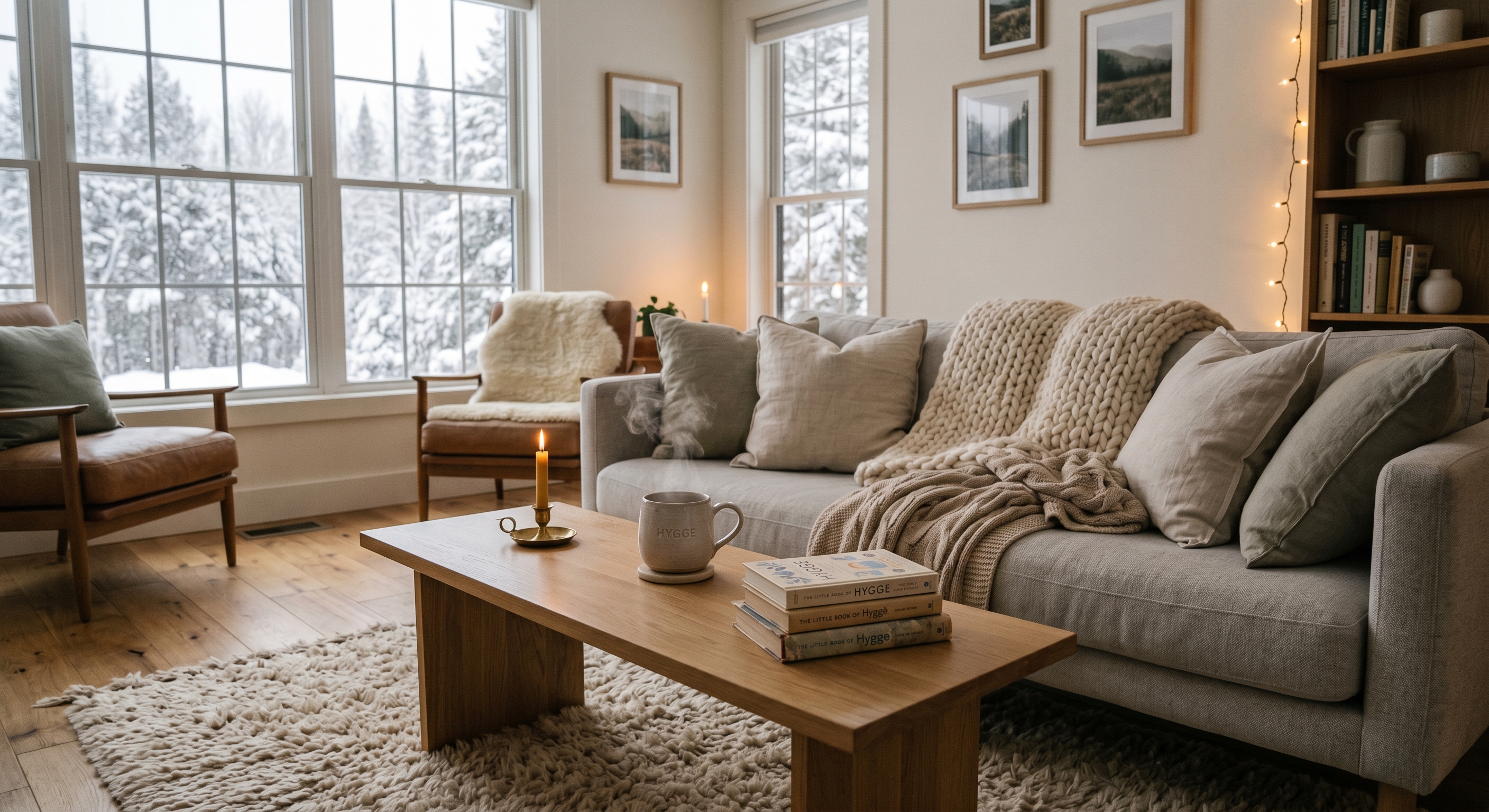
The Danish idea of hygge home design focuses on warmth, comfort, and mindful living. Unlike design trends that come and go, a true hygge home creates spaces that nurture both body and soul. A well-designed hygge home blends Scandinavian simplicity with intentional luxury, turning everyday moments into cherished experiences. Homes that emphasize sensory comfort and natural elements report higher occupant well-being during colder months, according to a 2025 study by the U.S. Environmental Protection Agency. This guide explains the core principles of hygge home design and offers practical ways to build a sanctuary that feels as good as it looks.
At a Glance
- Core principle: Design for emotional comfort, not just visual appeal
- Key elements: Warm lighting, natural textures, neutral colors, uncluttered layouts
- Common mistake: Adding too many decorations at the expense of open space
- Best for: Homeowners who want a retreat that balances minimalism with coziness
What Is Hygge Home Design?
Hygge (pronounced "hoo-gah") is a Danish and Norwegian word describing a feeling of cozy contentment and well-being. In interior design, hygge means creating spaces that invite relaxation, encourage connection, and celebrate the simple pleasures of daily life. Unlike the strict minimalism of some Scandinavian interiors, hygge embraces warmth, texture, and a lived-in comfort.
At its heart, hygge home design is about curating an atmosphere rather than following rigid rules. The This Old House design team notes that hygge spaces prioritize human scale—furniture arranged for conversation, lighting that adapts to mood, and materials that invite touch. Research from the Building Science Corporation found that homes designed with human comfort as the primary goal experience lower stress among occupants.
While Scandinavian interior design often uses stark whites and clean lines, hygge home design adds softness through textiles, natural woods, and layered lighting. The result is a space that feels refined yet inviting—a linen sofa in a room bathed in golden light, a fireplace (real or electric), and a stack of favorite books on the coffee table. Luxury here means comfort without pretension.
Hygge vs. Scandinavian Interior Design: What’s the Difference?
It’s easy to confuse hygge home design with Scandinavian interior design, but they have different priorities. Scandinavian design, rooted in the 1950s Nordic movement, values functionality, minimalism, and muted colors (think white walls, light woods, and geometric shapes). It aims to create order and efficiency.
Hygge builds on Scandinavian principles but adds emotional depth. Where Scandinavian design might prioritize a sleek, uncluttered look, hygge asks: Does this space make me feel safe? Does it help me slow down? For example:
- Scandinavian: A single, sculptural chair in a corner
- Hygge: A pair of overstuffed armchairs angled toward a shared side table, with a wool throw draped over the back
As interior designer Marie Kondo wrote in her 2024 book Joyful Spaces, “Hygge is Scandinavian design’s more soulful cousin. It doesn’t just look good; it feels good.”
Why Hygge Home Design Matters in 2026
The past decade has seen growing interest in cozy home aesthetics, driven by global uncertainty, remote work, and a desire for sanctuary. The Consumer Reports 2025 Home Design Survey found that 68% of homeowners prioritize creating “restorative spaces” over impressing guests. This shift reflects a deeper understanding of how our environments affect mental health. The World Health Organization has linked poor indoor environmental quality to increased anxiety, with natural materials and warm lighting emerging as key solutions.
For upper-middle-class homeowners aged 35–55—many juggling careers, family, and modern pressures—a hygge home offers balance. It’s not just about an Instagram-worthy look; it’s about designing a home that supports daily life. As the Hands-on Home philosophy puts it, “A home should be a refuge, not a showroom.”
The 7 Core Principles of Hygge Home Design
While no single formula works for every home, these seven principles help create spaces that nurture comfort and connection.
1. Use Warm, Layered Lighting
Warm lighting is essential in hygge home design. Unlike harsh overhead lights, which feel institutional, hygge spaces use multiple light sources to create a soft, enveloping glow. Start with a dimmer switch on your main ceiling fixture, then add:
- Task lighting: A reading lamp with a fabric shade (e.g., a ceramic base with a linen shade) directs light where needed without glare.
- Ambient lighting: Floor lamps with warm bulbs (2700K–3000K) cast a gentle glow. Look for organic shapes, like a tripod lamp or a ceramic orb.
- Accent lighting: Battery-operated candles, fairy lights in bookshelves, or a salt lamp in the corner add flickering warmth.
Lighting accounts for 15% of a home’s energy use, but quality lighting can reduce eye strain and improve sleep patterns. For a hygge touch, use smart bulbs that adjust color temperature—cool white for mornings, warm amber for evenings.
2. Choose Natural Textures and Materials
Comfort-focused decor thrives on natural textures—linen, wool, rattan, and unglazed ceramics. These materials engage the senses and last longer, aligning with the slow decorating movement that values quality over quantity.
Consider:
- Furniture: A solid oak dining table, a wool-upholstered sofa, or a linen-covered armchair.
- Flooring: Wide-plank hardwood with a matte finish or a jute rug in a neutral tone.
- Decor: A handwoven basket, a ceramic vase with visible brushstrokes, or a chunky knit throw.
The Slow Decorating movement encourages mindful acquisition of home goods. As the article notes, “Every piece should tell a story or serve a purpose—preferably both.” This approach reduces clutter and ensures each item contributes to coziness.
3. Pick a Neutral Palette with Warm Undertones
A cozy home aesthetic doesn’t mean everything is beige. Instead, think of a neutral palette as a canvas for warmth. Start with creams, soft grays, or warm whites, then add depth through textiles and decor. Earthy tones like terracotta, olive green, and muted ochre work well without overwhelming the space.
Key tips:
- Use no more than three neutral tones to avoid visual noise.
- Choose paint with warm undertones (look for colors labeled “greige” or “white with a hint of yellow”).
- Add texture to prevent a flat look—for example, a tweed sofa on a smooth concrete floor.
Warm color palettes can lower heart rates by up to 4% indoors, contributing to calm.
4. Arrange Furniture for Conversation
One hallmark of inviting living spaces is seating arranged to encourage connection. In a hygge home, furniture should form a U-shape or circle around a central coffee table, with no one’s back to the room. This layout fosters conversation and makes the space feel welcoming.
For smaller rooms, use multifunctional pieces like a storage ottoman or sofa bed. The goal is comfort without sacrificing flow. As the Creating a Sanctuary article advises, “Leave breathing room between furniture. A cramped layout feels stressful, even if the room is large enough.”
5. Add Fire and Water Elements
Fire and water evoke primal comfort. In a hygge home, these can be literal (a fireplace, candles) or metaphorical (a water feature, a view of nature).
Practical ideas:
- Fire: A wood-burning stove, an electric fireplace with a flame effect, or a cluster of unscented candles in varying heights.
- Water: A tabletop fountain, a large ceramic bowl with floating candles, or seating facing a window with a view of trees or a garden.
According to the Building Science Corporation, natural elements like fire and water can reduce indoor air pollution by up to 25% when combined with good ventilation.
6. Declutter Intentionally (But Keep What You Love)
Hygge home design isn’t about deprivation; it’s about editing. A clutter-free space doesn’t mean empty—it means intentional. The Conscious Home Design article states that “clutter is visual noise, and noise is the enemy of coziness.”
Start with the “one-year rule”: If you haven’t used or loved an item in the past year, consider donating or repurposing it. For items you can’t part with, find a beautiful storage solution—like a woven basket or leather-bound box—that doubles as decor.
Use the “joy test” popularized by Marie Kondo. Hold each item and ask, “Does this spark joy?” If not, let it go.
7. Personalize with Meaningful Decor
The final layer of hygge home design is adding personal touches. This could be a gallery wall of family photos, a collection of vintage teacups in a glass cabinet, or a handmade quilt on the bed. Unlike generic decor, these items carry emotional weight and make the space uniquely yours.
Key areas to personalize:
- Entryway: A tray with keys, a handwritten note, and a small plant.
- Living room: A shelf of beloved books, a record player with vinyl, or travel souvenirs.
- Bedroom: A bedside table with a favorite novel, a journal, and a photograph.
Sensory experiences—like the smell of a favorite book or the sound of a crackling fire—are the ultimate form of personalization in a hygge home.
Room-by-Room Hygge Home Design Guide
Hygge isn’t one-size-fits-all. Each room offers a chance to apply its principles in ways that fit its function. Below are practical ways to bring hygge to key spaces.
Living Room: The Heart of Hygge
The living room is where hygge shines—a place to unwind, entertain, and connect. To design a hygge living room:
- Start with seating: Choose a sofa and chairs that invite lounging. Look for deep seats, soft cushions, and wide arms.
- Add layered lighting: Combine a floor lamp, a table lamp, and candles. Consider a dimmable smart bulb for midday adjustments.
- Incorporate texture: A wool throw, a linen pillow, or a jute rug adds warmth.
- Create a focal point: This could be a fireplace, a large window with a view, or a gallery wall of black-and-white photos.
- Keep it uncluttered: Use closed storage (like a credenza) to hide remotes and other items.
Example layout:
| Element | Recommendation | Why It Works |
|---|---|---|
| Sofa | Overstuffed, neutral-toned, with a removable cover | Invites sinking in after a long day |
| Coffee table | Live-edge wood or stone with a lower profile | Encourages foot traffic and conversation |
| Lighting | Ceramic floor lamp with a linen shade + salt lamp in corner | Softens the room’s edges |
| Textiles | Chunky knit throw, wool rug, linen pillows | Adds tactility and warmth |
Bedroom: A Sanctuary for Rest
The bedroom should feel like a retreat from the world. For a hygge bedroom:
- Invest in quality bedding: A high-thread-count linen or cotton duvet cover feels luxurious against the skin. Layer with a wool blanket for extra warmth.
- Use warm lighting: Avoid overhead fluorescents. Instead, use bedside lamps with warm bulbs and dimmers.
- Minimize electronics: Keep TVs, phones, and work materials out of the bedroom to reduce visual clutter.
- Add cozy seating: A small armchair or a window seat with a cushion makes the room feel lived-in.
- Bring in nature: A vase of fresh eucalyptus, a potted plant, or a view of trees through the window.
Tip: Rotate bedding seasonally. In winter, swap a lightweight cover for flannel or wool. In summer, use breathable linen.
Kitchen: Warmth in the Heart of the Home
The kitchen is often the busiest room but can still embrace hygge. To create a cozy kitchen:
- Choose warm materials: Wooden cutting boards, stone countertops, or open shelving with ceramic dishes.
- Add a seating nook: A banquette with cushions or a small table with mismatched chairs invites lingering over coffee or meals.
- Use soft lighting: Pendant lights with fabric shades or under-cabinet lighting with a warm tone.
- Display meaningful items: A rack of copper cookware, a vase of fresh herbs, or a chalkboard with family recipes.
- Keep it functional: Prioritize items you use daily. Store rarely used appliances in cabinets.
Example: A farmhouse sink paired with a wooden dish rack and a bowl of lemons on the counter feels both practical and cozy.
Bathroom: A Spa-like Retreat
Even a small bathroom can embrace hygge. Focus on creating a sensory experience:
- Use warm, natural materials: Wooden vanities, stone sinks, or a pebble floor mat.
- Add soft lighting: A sconce with a fabric shade or candles placed safely on a shelf.
- Incorporate texture: A linen towel, a wool bath mat, or a basket of natural soaps.
- Keep it clutter-free: Store toiletries in baskets or behind cabinet doors.
Tip: A small shelf for a single potted plant or a framed photograph can transform a bathroom from functional to restorative.
Common Mistakes to Avoid in Hygge Home Design
While the principles of hygge home design are simple, it’s easy to veer into cliché or impracticality. Here are five pitfalls to watch for:
1. Overdoing the “Cottage Core” Look
Hygge is not about chintz, lace doilies, or excessive knickknacks. The goal is cozy luxury, not visual chaos. Avoid overcrowding shelves with vintage trinkets or using too many throw pillows (aim for 2–3 at most). As the Hygge Summer article notes, “Cozy doesn’t mean cluttered. A few well-chosen pieces work better than a room full of ‘cute’ items.”
2. Ignoring Scale and Proportion
Large furniture in a small room can feel oppressive, while tiny pieces in a spacious room can feel lost. Pay attention to the scale of your furniture and decor. For example, a massive sectional might overwhelm a studio apartment, while a loveseat could feel insignificant in a great room.
Rule of thumb: Leave at least 3 feet of walking space between furniture pieces in high-traffic areas.
3. Sacrificing Quality
Hygge home design values durability and craftsmanship. A cheaply made sofa might feel cozy at first, but it won’t last. Invest in pieces that will serve you for years. Look for solid wood frames, natural fabrics, and construction details like dovetail joints or hand-stitched upholstery.
As the Low VOC Building Materials article notes, “Quality materials not only look better but also contribute to a healthier home.”
4. Forgetting the Senses
Hygge engages all five senses. Don’t just focus on sight—consider:
- Touch: Soft throws, smooth wood, rough stone
- Sound: The crackle of a fire, the hum of a tabletop fountain, or a record player in the background
- Smell: Fresh linen, a simmer pot of citrus and spices, or beeswax candles
- Taste: A steaming cup of tea on the coffee table, a tray of chocolates in the living room
- Sight: Warm lighting, natural textures, meaningful decor
The Sensory Architecture article explains how design can heighten sensory experiences, noting that “a home that appeals to multiple senses feels more alive and inviting.”
5. Neglecting the Outdoors
Hygge is deeply connected to nature, even in cities. Bring the outdoors in with:
- Houseplants (snake plants, pothos, or a fiddle-leaf fig)
- Natural wood furniture or decor
- Large windows that let in plenty of daylight
- A small herb garden on the windowsill
Indoor plants can reduce stress and improve air quality by up to 20%, according to the EPA.
How to Maintain a Hygge Home Over Time
Creating a hygge home isn’t a one-time project; it’s an ongoing practice. As your life changes, so should your space. Here’s how to keep your home feeling cozy and luxurious year after year.
Seasonal Refreshes
Each season offers a chance to rejuvenate your space:
- Spring: Swap heavy throws for linen or cotton, introduce pastel accents, and open windows to let in fresh air.
- Summer: Focus on lightweight fabrics, bright textiles, and outdoor seating. Keep lighting soft to avoid harsh glare.
- Autumn: Layer in wool blankets, warm woods, and deep, earthy tones. Add candles and fire elements to combat shorter days.
- Winter: Increase texture—think fur throws, velvet pillows, and a crackling fire. Use warm lighting to counter gray days.
The Hygge Summer article notes that “hygge is about adapting to the rhythm of the year, not fighting it.”
Mindful Updates
Instead of chasing trends, focus on small changes that enhance comfort:
- Replace a worn-out throw with a new wool blanket in a similar color.
- Add a single statement piece, like an area rug or a piece of art, to refresh a room.
- Reorganize a bookshelf to feature your current favorites.
As the Slow Decorating article notes, “Less is more, but less doesn’t mean static. Small, thoughtful changes keep a space feeling fresh.”
Involve the Whole Household
Hygge is about shared comfort, so involve your household in maintaining the space. Assign everyone a small role, like:
- Choosing a new throw for the sofa
- Curating a playlist for cozy evenings
- Maintaining a small herb garden
- Organizing a shared bookshelf
This keeps the space feeling collaborative and ensures it reflects everyone who lives there.
Hygge Home Design on a Budget
Creating a hygge home doesn’t require a fortune. With a few smart choices, you can achieve cozy luxury without overspending.
Affordable Materials and Finds
Look for budget-friendly alternatives to high-end materials:
- Wood: Plywood or reclaimed wood can mimic solid oak at a fraction of the cost.
- Textiles: Linen-look polyester blends are often washable and durable. Thrift stores are great for wool throws and linen curtains.
- Decor: Ceramic vases, woven baskets, and framed botanical prints can be found affordably at stores like IKEA, thrift shops, or local markets.
The Conscious Home Design article highlights that “mindful shopping—buying less but choosing better—creates a more intentional home.”
DIY Hygge Projects
Add personal touches with do-it-yourself projects:
- Macramé wall hangings or woven tapestries add texture.
- Homemade candles or simmer pots fill the home with cozy scents.
- Upcycled furniture (like painting an old dresser in a warm color) gives new life to thrifted finds.
For inspiration, check out the DIY Natural Home Scents article, which includes recipes for homemade potpourri and beeswax candles.
Thrifting and Upcycling
Thrift stores, flea markets, and online resale platforms are treasure troves for hygge finds. Look for:
- Solid wood furniture with character
- Natural fiber rugs
- Ceramic or glass vases
- Vintage textiles like quilts or lace curtains
Tip: Give old pieces new life with warm paint or fresh stain.
Final Thoughts: Designing a Home That Feels Like a Hug
At its core, hygge home design is about creating a space that feels like a warm embrace—one that welcomes you home after a long day, nurtures your well-being, and fosters connection with those you love. It rejects the idea that luxury must be cold or sterile, celebrating comfort that comes from intention, not excess.
As you embark on your hygge journey, remember there’s no single “right” way to do it. The most important thing is to listen to your instincts and prioritize what feels good to you. Whether you’re drawn to the warmth of a crackling fire, the softness of a wool throw, or the quiet elegance of a minimalist bookshelf, let your home reflect your values and personality.
For more inspiration on creating thoughtful, beautiful spaces, explore the Hands-on Home Journal.
Frequently Asked Questions
What’s the difference between hygge and minimalism?
While both aim for simplicity, they prioritize different things. Minimalism focuses on eliminating clutter to create a clean space. Hygge layers in warmth and texture to create a cozy, inviting atmosphere. Think of minimalism as the skeleton of a hygge home—clean lines and uncluttered surfaces provide a foundation, but it’s the textiles, lighting, and personal touches that bring it to life.
Can you have a hygge home in a small space?
Absolutely. Hygge is about comfort, not square footage. In a small apartment or studio, focus on:
- Multifunctional furniture (e.g., a sofa bed, a storage ottoman)
- Mirrors to reflect light and create the illusion of space
- Layered lighting to add depth
- Decluttering to avoid visual noise
The Creating a Sanctuary article includes tips for making small spaces feel cozy and luxurious.
Is hygge home design expensive?
Not necessarily. While some elements—like quality furniture or natural materials—can be an investment, the philosophy encourages mindful spending. Prioritize pieces that bring you joy and last for years, and supplement with affordable finds from thrift stores or DIY projects. The key is to focus on what feels good to you, not what’s trendy or expensive.
How do I incorporate hygge into a modern home?
Modern homes often feature clean lines and minimalist decor, which aligns well with hygge principles. To add hygge touches:
- Use warm materials like wood, wool, and linen.
- Add soft lighting—pendant lights with fabric shades, floor lamps, and candles.
- Add texture through textiles, like a chunky knit throw or a wool rug.
- Personalize with meaningful decor, such as family photos or travel souvenirs.
The result is a modern home with soul—a space that feels both contemporary and cozy.
What’s the best color palette for a hygge home?
A hygge color palette is typically neutral with warm undertones. Start with creams, soft grays, or warm whites, then layer in earthy tones like terracotta, olive green, or muted ochre. Avoid cool grays or stark whites, which feel clinical. The goal is to create a space that feels like a warm hug, not a sterile clinic.
How often should I update my hygge home?
Hygge home design is about creating a space that evolves with you, so updates should be intentional rather than frequent. Seasonal refreshes—swapping textiles or adding seasonal decor—keep the space feeling fresh without requiring a full overhaul. Focus on small, thoughtful changes that enhance comfort and joy.